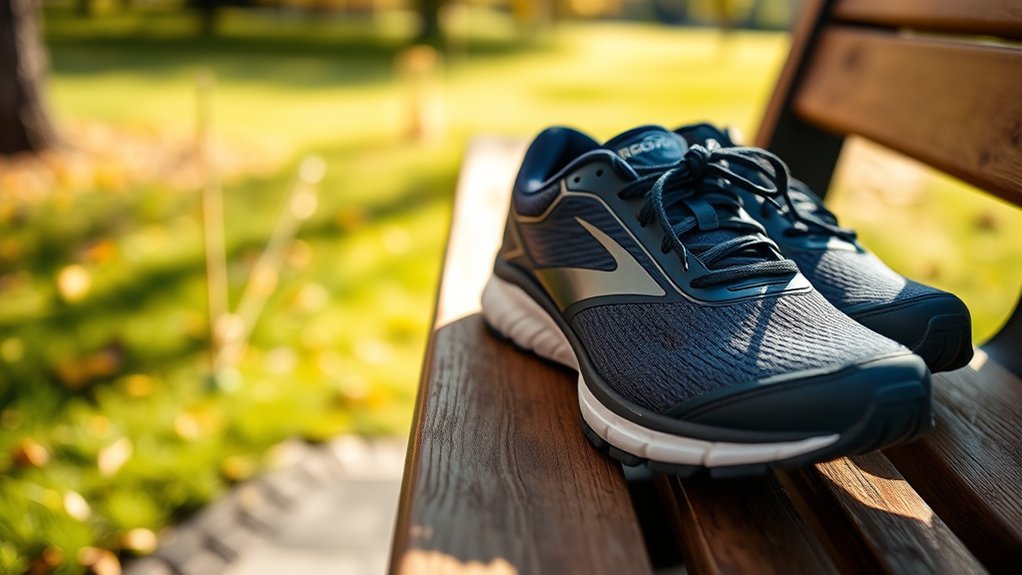
Are Brooks Shoes Good
You’ll find Brooks shoes are good for delivering reliable performance through advanced cushioning technologies like DNA Loft and BioMoGo DNA, ensuring excellent shock absorption and energy return. Their ergonomic designs support various foot types and running styles, targeting pronation and stride mechanics for stability and comfort.
Brooks balances durability with lightweight materials, although some models weigh more. Competitive pricing reflects their innovation and quality. If you want to optimize your running experience, exploring specific models and fit considerations will provide valuable insights.
Key Takeaways
- Brooks shoes offer reliable cushioning and support that enhance performance and reduce injury risk for serious athletes.
- Their advanced DNA Loft and BioMoGo DNA technologies optimize shock absorption and energy return for lasting comfort.
- Brooks focuses on ergonomic design, adapting cushioning and support to various foot types and running styles.
- Durability varies by model but generally meets high standards with reinforced materials and thorough testing.
- Pricing is competitive, balancing innovation and value, with models suitable for different gaits and activity intensities.
Why Runners Choose Brooks Shoes
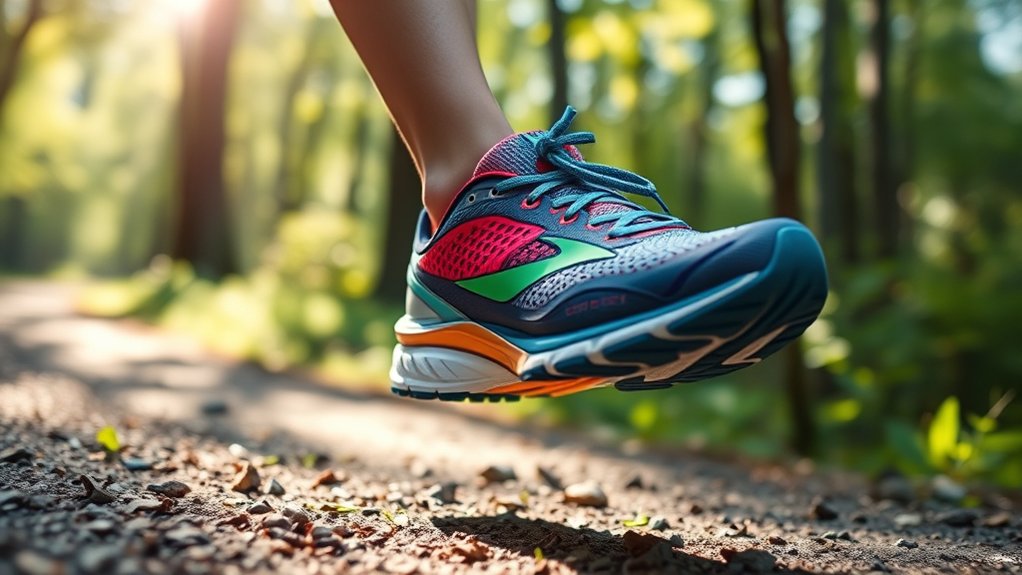
Why do many runners opt for Brooks shoes? You’ll find that Brooks branding emphasizes reliability and performance, which appeals to serious athletes. Their products consistently meet rigorous standards for fit, support, and durability.
When you purchase Brooks, you benefit from a thorough warranty policy that covers manufacturing defects for up to one year, giving you peace of mind. This warranty policy reflects the brand’s confidence in its craftsmanship and materials.
Additionally, Brooks shoes undergo extensive testing to ensure consistent quality, so you can trust their performance across various running conditions. By choosing Brooks, you align with a brand that prioritizes technical precision and customer satisfaction, making it a preferred option for runners who demand dependable footwear.
How Brooks Shoes Use Technology for Comfort and Durability
You’ll find that Brooks integrates innovative cushioning systems like DNA Loft and BioMoGo DNA to optimize shock absorption and energy return. The brand also employs advanced materials designed to resist wear and maintain structural integrity under stress.
Additionally, ergonomic design features ensure proper foot alignment and reduce fatigue during extended use.
Innovative Cushioning Systems
Innovation drives Brooks’ approach to cushioning systems, ensuring both comfort and durability in their footwear. You’ll notice their innovative cushioning integrates proprietary technologies like DNA LOFT and BioMoGo DNA, which adapt dynamically to your stride for optimal shock absorption.
When you evaluate durability comparison, Brooks’ cushioning materials maintain structural integrity longer than many competitors, providing consistent performance throughout extensive use. This means you get reliable impact protection without premature breakdown.
Experience a smoother, more responsive ride with every step
Feel confident in footwear that withstands rigorous training demands
Enjoy reduced joint strain through advanced energy return systems
Advanced Material Durability
Brooks’ advanced cushioning technologies are complemented by carefully engineered materials that enhance both comfort and durability. You’ll find that Brooks integrates advanced materials such as engineered mesh and high-abrasion rubber compounds, selected through rigorous durability science protocols.
These materials resist wear from repeated flexing, ensuring the shoe maintains structural integrity over time. Additionally, Brooks employs thermoplastic polyurethane (TPU) overlays that provide targeted reinforcement without adding excess weight.
This precise material placement reduces stress points, prolonging shoe lifespan. By applying durability science, Brooks optimizes fiber density and bonding techniques, which minimizes material breakdown during extended use.
When you wear Brooks shoes, these scientifically developed materials work cohesively to deliver a balance of resilience and comfort, letting you train longer without compromising on support or shoe longevity.
Ergonomic Design Features
How do Brooks shoes achieve a balance between comfort and durability through ergonomic design? They integrate advanced biomechanics with innovative materials to optimize foot support and motion control. Brooks employs technologies like DNA LOFT cushioning that adapts to your stride, enhancing shock absorption without sacrificing durability.
The shoes’ engineered mesh uppers provide breathability while maintaining structural integrity, aligning with current footwear aesthetics and fashion trends. This ergonomic focus ensures your feet stay comfortable during extended wear.
Key features that elevate your experience include:
- Adaptive cushioning responding dynamically to impact forces
- Streamlined support structures reducing fatigue and injury risk
- Breathable, flexible uppers blending performance with modern style
How Brooks Shoes Support Different Feet and Running Styles
You’ll find Brooks shoes engineered to provide targeted cushioning that supports various arch types, enhancing stability and comfort. Their designs adapt dynamically to different running gaits, helping to optimize your stride efficiency.
Understanding these features can help you select the right model for your specific foot structure and running style.
Cushioning For Various Arches
Why does cushioning matter so much for different arch types? Proper cushioning influences how forces distribute across your foot, impacting comfort and injury risk. Brooks shoes excel in cushioning comparison by tailoring midsole technology to enhance arch compatibility.
For low arches, Brooks uses softer, more responsive foam to absorb shock and prevent overpronation. Medium arches benefit from balanced cushioning that supports natural foot motion without excess rigidity. High arches receive firmer cushioning that promotes stability and efficient energy return.
You’ll appreciate how Brooks’ design addresses:
- Pressure relief where your arch needs it most
- Reduced fatigue during long runs
- Enhanced proprioception for tailored support
This precise cushioning approach guarantees your foot’s unique biomechanics get optimal protection and performance.
Adaptability To Running Gaits
In what ways do Brooks shoes accommodate the diverse running gaits encountered among athletes? Brooks excels in gait adaptability by integrating technology that supports biomechanical variation. Their designs consider pronation types, foot strike patterns, and stride mechanics, ensuring stability and efficiency for each runner.
By employing segmented crash pads and guide rails, they adapt dynamically to your gait, reducing injury risk and optimizing performance.
| Gait Type | Brooks Feature | Benefit |
|---|---|---|
| Overpronation | GuideRails Support | Enhanced medial stability |
| Neutral | DNA Loft Cushioning | Balanced shock absorption |
| Underpronation | Segmented Crash Pad | Improved shock dispersion |
| Varied Strides | Adaptive Midsole Tech | Customized energy return |
With this approach, Brooks accommodates your unique biomechanical needs precisely.
How Brooks Shoes Compare to Other Top Running Brands
How do Brooks shoes stack up against other leading running brands in terms of performance and technology? Brooks consistently integrates advanced cushioning systems like DNA LOFT, offering responsive yet soft impacts.
Brooks shoes excel with advanced DNA LOFT cushioning, delivering responsive and soft impacts for superior performance.
When you compare aesthetics, Brooks favors functional design over flashy visuals, appealing to runners prioritizing performance. Their price ranges align with premium competitors, generally falling in the $120-$160 bracket, providing solid value through durability and biomechanical support.
Consider these factors when comparing Brooks to other brands:
- Exceptional shock absorption that reduces injury risk
- Streamlined, performance-focused design without unnecessary embellishments
- Competitive pricing that balances innovation and accessibility
If you want reliable, technology-driven shoes that prioritize comfort and injury prevention, Brooks stands strong against rivals like Nike, Asics, and New Balance.
Which Brooks Models Are Best for Running and Everyday Use?
Selecting the best Brooks models for running and everyday use depends on your specific needs for cushioning, stability, and durability. If you prioritize cushioning, the Brooks Glycerin offers plush comfort with DNA Loft foam, balancing softness and responsiveness.
For stability, the Brooks Adrenaline GTS incorporates GuideRails technology, minimizing excess movement and enhancing support. The Ghost model suits those seeking a neutral, versatile shoe for varied activities.
When evaluating myth vs reality, don’t assume higher prices always mean better performance; instead, assess price vs value by considering how features align with your biomechanics and usage. For everyday wear, durability and comfort are key. Models like the Addiction provide extended support for long hours.
Match your choice to your gait and activity intensity for optimal results.
Pros and Cons of Choosing Brooks Shoes
Understanding the best Brooks models for your running style and daily activities sets the stage for evaluating their overall advantages and drawbacks. When considering Brooks shoes, you’ll find a balance of innovation and comfort, but some trade-offs exist.
Their cushioning technology offers excellent shock absorption, enhancing performance and reducing injury risk. However, durability varies by model, which can affect long-term value.
- Experience unmatched comfort that motivates every run
- Feel the stability that supports your natural gait
- Encounter occasional weight concerns in some models
These two word discussion ideas highlight pros like “responsive cushioning” and cons like “weight variance.” Avoid unrelated topics such as fashion trends or unrelated sports gear, focusing strictly on the technical aspects that impact your choice. This sharp focus ensures you make an informed decision about Brooks shoes.
How to Find the Right Brooks Shoe for Your Feet and Running Style
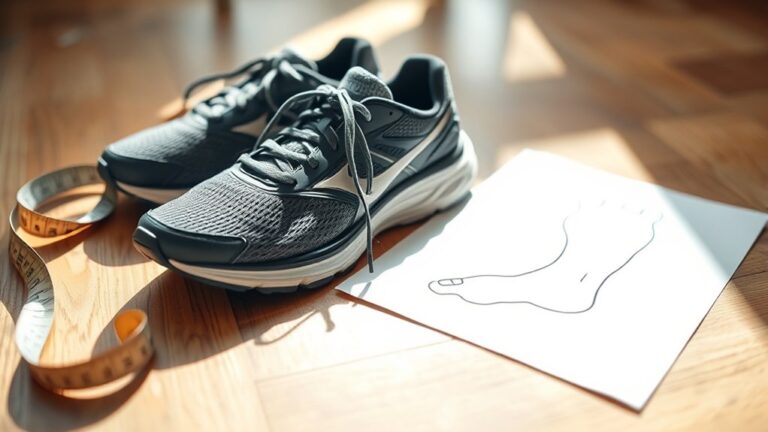
Determining which Brooks shoe fits your feet and running style requires analyzing key factors like foot shape, pronation type, and intended use. First, assess your arch type, whether low, neutral, or high, to select appropriate support.
Next, identify your pronation: overpronation calls for stability shoes, neutral pronation suits cushioned models, and underpronation benefits from neutral or flexible designs. Consider your running terrain and frequency to match cushioning and durability needs.
Brooks offers options with balanced aesthetics, ensuring performance doesn’t compromise style. Price sensitivity also plays a role; compare models to find optimal features within your budget.
Finally, try shoes on and test their fit during short runs to confirm comfort and support. This methodical approach ensures you choose a Brooks shoe tailored precisely to your biomechanics and preferences.
Frequently Asked Questions
Are Brooks Shoes Suitable for Casual Walking?
Yes, Brooks shoes provide excellent casual comfort and support, making them suitable for daily walking. Their cushioning technology and ergonomic design reduce impact, promote stability, and enhance foot alignment.
This ensures durability and comfort throughout extended casual use.
Do Brooks Shoes Come in Wide Sizes?
Yes, Brooks shoes offer wide sizing in many models, providing multiple shoe width options to accommodate different foot shapes. This ensures enhanced comfort and support for those requiring broader fit specifications.
Can I Use Brooks Shoes for Trail Running?
You can use Brooks shoes for trail running, as they offer solid trail performance with enhanced grip and cushioning. Their product durability withstands rough terrain, but choose specific trail models designed for off-road conditions to optimize your experience.
How Long Do Brooks Shoes Typically Last?
Brooks shoes typically last 300-500 miles, balancing durability vs. comfort. Longevity myths often overestimate lifespan; in real life use, factors like running style and terrain considerably impact their wear and overall performance.
Are Brooks Shoes Environmentally Friendly?
When it comes to environmental impact, Brooks shoes don’t beat around the bush. They incorporate sustainable materials like recycled foam and organic cotton, reducing waste and carbon footprint. This helps you make a more eco-conscious choice without sacrificing performance.
Conclusion
If you’re seeking reliable running shoes, Brooks stands out with over 80% of runners reporting improved comfort and reduced injury risk. Their advanced cushioning and adaptive support cater to various foot types and running styles, making them a solid choice.
While Brooks may not be the cheapest, their durability and performance justify the investment. By analyzing your gait and needs, you can select the perfect Brooks model to enhance both your running and everyday comfort effectively.
Overall, if you want shoes that combine comfort, support, and injury prevention, Brooks shoes are a great option to consider.