Are Sambas Soccer Shoes
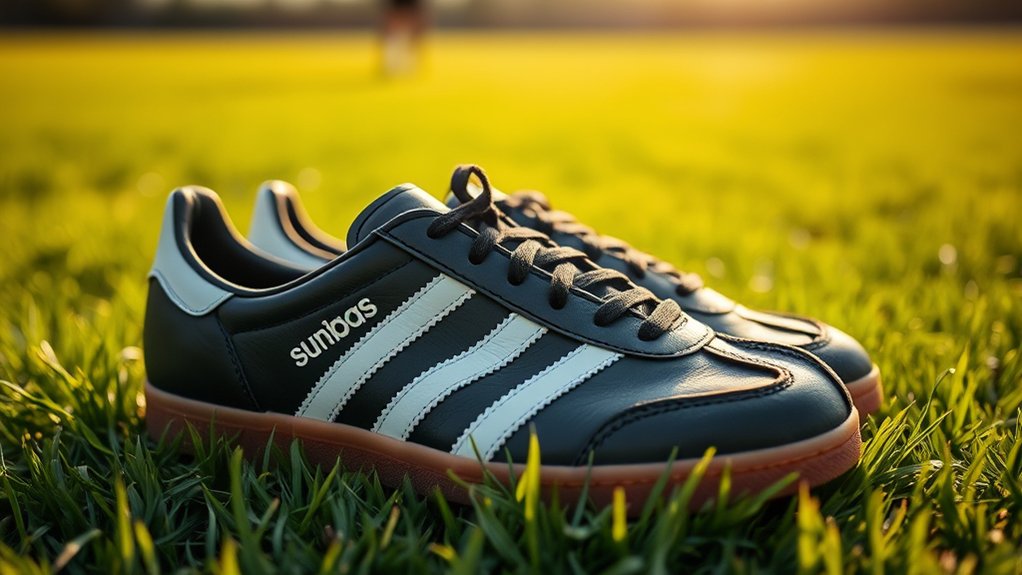
You might know Adidas Sambas as iconic sneakers, but Adidas Sambas soccer shoes actually began in the 1950s, built for stability on icy fields. Their durable leather and rubber soles provided traction for quick moves, though they lack the advanced grip modern cleats offer.
Today, Sambas are better suited for casual wear or light indoor play rather than serious soccer.
Keep exploring to understand how Sambas evolved and why they remain a style favorite beyond the pitch.
Key Takeaways
- Sambas originated in the 1950s as Adidas soccer shoes designed for icy and slippery surfaces. They feature durable leather and treaded soles for traction, aimed at soccer players’ stability needs.
- Modern Sambas have transitioned from performance gear to casual lifestyle sneakers.
- Sambas lack the specialized traction and design of contemporary soccer cleats for competitive play. They are suitable for casual or indoor soccer use but not ideal for serious outdoor matches.
Adidas Sambas: Origins and Purpose
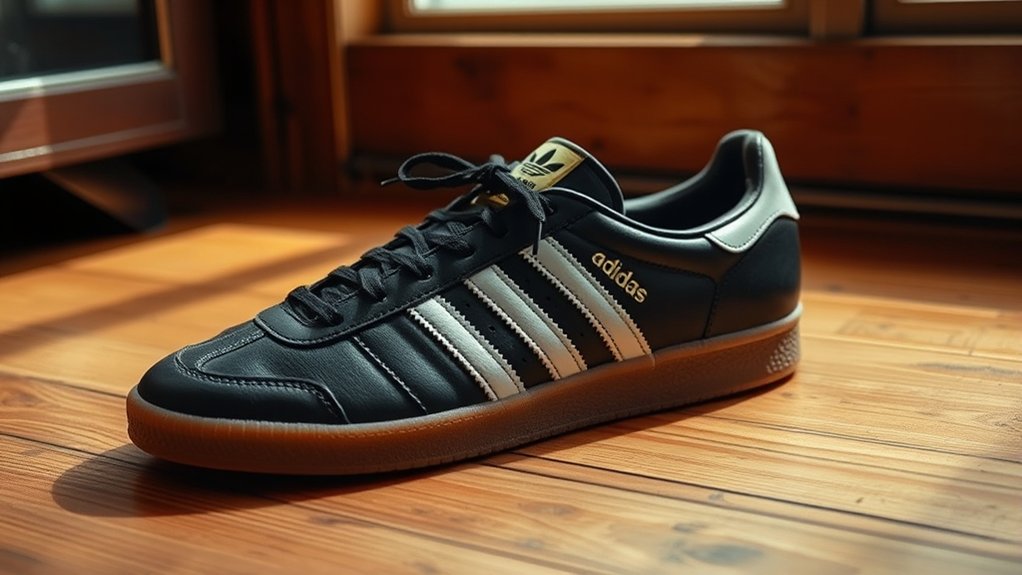
Where did the Adidas Sambas come from, and what were they designed for? You’ll find that the origins of samba trace back to the 1950s when Adidas created these shoes to support athletes training on icy surfaces.
You can appreciate how the legacy of samba shoes grew beyond their initial purpose, becoming iconic in both sports and casual wear. As you explore their history, you’ll see that these shoes were engineered for stability and traction, especially for soccer players adapting to slippery fields.
Understanding this background helps you grasp why Sambas hold a unique place in footwear history. Their design reflects a thoughtful response to specific athletic needs, which shaped their enduring appeal across various activities and cultures.
Key Design Features That Made Sambas Ideal for Soccer
You’ll notice the Sambas feature durable leather construction that provides both protection and flexibility during play. The shoe’s design also includes an ideal traction pattern, helping you maintain grip on various surfaces.
These elements work together to make Sambas practical for soccer performance.
Durable Leather Construction
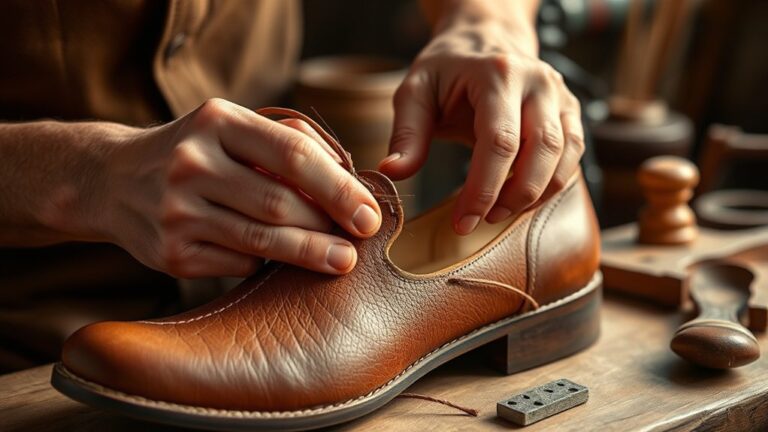
What makes Samba soccer shoes stand out in terms of durability? It’s their use of high-quality, durable leather that gives you long-lasting performance. This leather isn’t just tough; it also adapts to the shape of your foot, providing comfort while resisting wear from regular play.
You’ll notice that this material holds up well against scuffs and impacts, which is crucial when you’re on the field. To maintain this durability, follow simple maintenance tips: clean the shoes regularly with a soft brush, avoid soaking them in water, and apply leather conditioner to keep the material supple.
Optimal Traction Design
While the durable leather construction provides lasting comfort and protection, the Samba’s design truly excels in how it grips the playing surface. You’ll notice the shoe’s sole features a unique tread pattern that delivers optimal traction, critical for quick cuts and sudden stops on the field.
This traction design enhances your control, reducing the risk of slipping during rapid movements. The grip relevance becomes clear as you maneuver across various surfaces, where the rubber outsole maintains consistent contact and stability.
Sambas vs. Modern Soccer Cleats: What’s the Difference?
How do Sambas compare to modern soccer cleats in terms of design and performance? When you look closely, Sambas stand out for their classic Samba aesthetics and exceptional leather durability, which many modern cleats sacrifice for synthetic materials. However, modern cleats focus heavily on technology and lightweight construction to enhance speed and agility.
Sambas showcase timeless leather durability, while modern cleats emphasize lightweight technology for speed and agility.
Key differences include:
- Design focus: Sambas emphasize timeless style and robust leather, while modern cleats prioritize innovation and aerodynamic shapes.
- Material: Sambas use thick, durable leather; modern cleats often use synthetic or knitted fabrics for flexibility.
- Performance: Modern cleats offer specialized traction and support tailored to different playing surfaces, contrasting with Sambas’ simpler, flat sole.
Understanding these distinctions helps you appreciate how Sambas preserve tradition versus the advanced engineering of today’s soccer cleats.
Can You Use Sambas for Playing Soccer Today?
Can you rely on Sambas for playing soccer in today’s game? While Sambas were originally designed as soccer shoes, their flat sole and minimal traction fall short compared to modern cleats engineered for grip and performance on grass or turf.
If you play at a casual level or indoors, Sambas might suffice, but they won’t provide the support or traction needed for competitive outdoor matches.
That said, many people now use Sambas more for Samba fashion or Samba cosplay, embracing their classic style rather than their functionality on the field. So, if you want authentic soccer performance, modern cleats are a better choice.
But if you appreciate retro aesthetics and comfort off the pitch, Sambas remain a popular option.
How Sambas Transitioned From Soccer to Lifestyle Sneakers
You know Sambas started purely as soccer shoes, designed for performance on the field with their distinctive gum sole and durable leather. Over time, their sleek design and comfort caught the attention of fashion enthusiasts beyond sports.
This shift helped Sambas evolve into popular lifestyle sneakers while still honoring their athletic roots.
Origins in Soccer
Why did Adidas Samba, originally designed for soccer players, become a staple in casual footwear? Understanding its origins in soccer clarifies this transition. The Samba was created in the 1950s to provide traction on icy fields, making it highly functional for athletes.
Over time, origin myths surrounding its creation and use contributed to its cultural cachet. Additionally, regional styles influenced how players and fans adapted the shoe for everyday wear.
Key factors in its soccer origins include:
- Durable gum sole designed for grip on various surfaces
- Low-profile silhouette allowing agility and control
- Reinforced toe for ball handling and protection
These practical features rooted the Samba firmly in soccer, setting the stage for its later adoption beyond the sport.
Rise as Lifestyle Shoes
How did the Adidas Samba shift from a specialized soccer shoe to a popular lifestyle sneaker? You’ll find that its timeless design and durable construction rooted in samba heritage made it appealing beyond the pitch.
Originally crafted for traction on icy fields, the Samba’s sleek silhouette and versatile colorways attracted casual wearers seeking both style and comfort. This lifestyle crossover gained momentum as fashion embraced athletic influences, allowing the Samba to evolve into a symbol of streetwear culture.
You’ll notice that Adidas capitalized on this shift by marketing Sambas not just as sports gear but as everyday footwear. The shoe’s ability to bridge its soccer origins with contemporary fashion trends ensures its lasting relevance in both athletic and lifestyle markets.
Why Samba Shoes Are a Top Choice for Casual Wear
What makes Samba shoes stand out as a top choice for casual wear lies in their blend of comfort, durability, and timeless style. You’ll appreciate how these shoes align with sustainability trends, as many models incorporate eco-friendly materials, appealing to your growing environmental awareness. Their design taps into marketing nostalgia, evoking classic aesthetics that never go out of fashion.
When you wear Sambas casually, you benefit from:
- A versatile silhouette that pairs well with various outfits
- Long-lasting construction suited for daily use
- Breathable materials ensuring all-day comfort
This combination makes Sambas more than just soccer shoes; they become a practical, stylish choice for everyday wear, balancing heritage with modern demands effectively.
Should You Choose Sambas for Your Soccer Game?
When considering soccer shoes, you might wonder if Sambas can meet the demands of the game. Originally designed for indoor soccer, Sambas offer decent traction and comfort on hard surfaces but lack the advanced technology found in modern cleats tailored for outdoor play.
If you prioritize sustainability trends, some Samba models incorporate eco-friendly materials, reflecting a growing cultural impact in sportswear. However, for competitive matches on grass or turf, you’ll likely need shoes with specialized studs and enhanced support.
Choosing Sambas depends on your playing environment and style. For casual or indoor games, they’re a solid option, blending heritage with modern sustainability efforts. For serious outdoor play, though, you might want to explore alternatives designed specifically to optimize performance and protection.
Frequently Asked Questions
What Materials Are Used in the Construction of Adidas Sambas?
You’ll find adidas Sambas use premium leather, suede, and rubber in their materials and construction. They also offer personalization options, letting you customize colors and details to suit your style and enhance your shoe’s uniqueness.
How Do Samba Shoes Fit Compared to Other Adidas Models?
Samba sizing feels like slipping into a well-worn glove; you’ll notice Samba early fit is snug compared to other Adidas models.
They typically run a half-size smaller, so consider sizing up for ideal comfort and performance.
Are Samba Shoes Suitable for Indoor Soccer Play?
Yes, Samba shoes are suitable for indoor soccer due to their strong footwear durability and gum rubber sole, which provides excellent traction on indoor surfaces. However, consider your play style and court type before choosing them.
Can Samba Shoes Be Customized or Personalized?
Yes, you can customize Samba shoes with various customization options like color choices and personalized text. These personalization features let you create a unique pair that fits your style while maintaining the shoe’s classic design and functionality.
What Colors and Styles Are Available for Adidas Sambas?
You’ll find adidas Sambas in classic black and white, but wait, there’s more! Various colors and styles, from sleek leather to vibrant editions, plus customization options let you personalize them to match your unique style perfectly.
Conclusion
If you’re chasing serious soccer performance, Sambas might not be your winning ticket—they’re more vintage charm than modern cleat tech. But don’t write them off; these shoes have gracefully danced from the pitch to the streets, offering timeless style and comfort.
So, if you want a shoe that kicks up casual cool rather than competitive fire, Sambas could be your perfect match. Remember, sometimes the best game is the one off the field.
In the end, if you’re looking for style and comfort with a nod to soccer heritage, Sambas soccer shoes deliver just that.