How Tight Should Trail Shoes Be
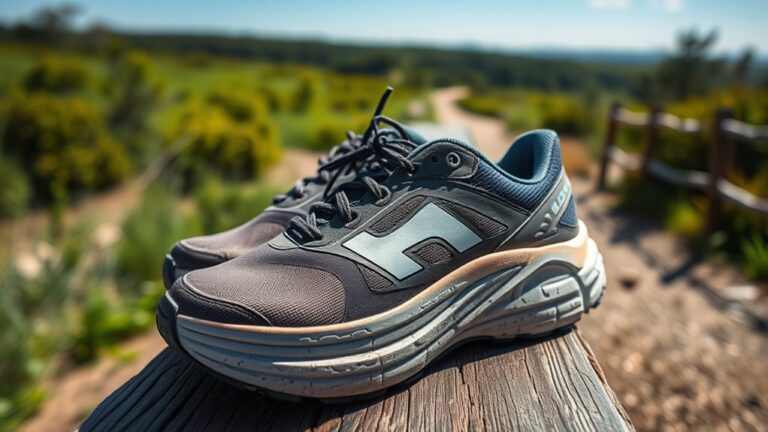
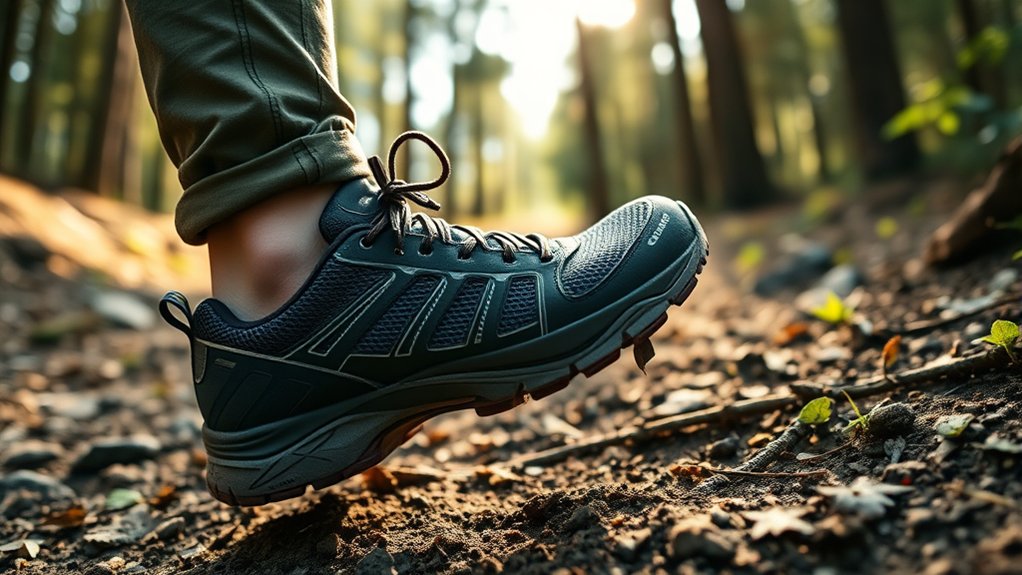
Your trail shoes should fit snugly enough to lock your heel and midfoot securely, preventing slippage without causing discomfort or pressure points. Proper trail shoe fit is essential for comfort and performance on uneven terrain.
Allow slight toe movement in the toe box to avoid bruising and maintain natural flexion. Avoid excessive tightness that restricts circulation or causes hotspots.
Ensure the fit is firm to support stable foot placement and efficient biomechanics. Proper fit enhances comfort and performance on trails—learn how to fine-tune and test your trail shoe fit effectively.
Key Takeaways
- Trail shoes should fit snugly without causing discomfort or pressure points to maintain foot alignment and prevent blisters.
- The heel must be secure but not overly tight to avoid slipping and friction-related injuries.
- Leave about a thumb’s width of space in the toe box to allow natural toe movement and prevent bruising.
- Midfoot and heel areas should lock in place with some flexibility, avoiding excessive constriction or slippage.
- Test fit with planned socks, ensuring no numbness or hotspots, and adjust lacing to evenly distribute pressure.
Why Getting the Right Trail Shoe Fit Matters
Why does the fit of your trail shoes matter so much? Proper fit ensures your feet maintain optimal alignment, reducing strain on muscles and joints, which directly supports efficient muscle recovery after intense activity.
Ill-fitting shoes can cause excessive pressure points or looseness, leading to blisters, discomfort, and impaired breath control due to restricted nasal airflow from compensatory breathing patterns. When your shoes fit correctly, you maintain stable foot placement, which enhances overall biomechanical function and endurance.
This stability allows you to focus on controlled breathing techniques, essential for oxygen delivery and muscle performance during exertion. In contrast, poor fit disrupts these systems, increasing fatigue and prolonging recovery time. Therefore, selecting trail shoes with an accurate fit is crucial for both immediate performance and long-term muscular health.
How Tight Should Trail Shoes Feel on Your Feet?
You want your trail shoes to fit snugly without causing discomfort or pressure points. Ensure there’s enough space in the toe box to allow slight toe movement and prevent bruising.
The heel should feel secure but not overly tight to avoid slipping or blisters.
Optimal Fit for Comfort
How snug should trail shoes feel on your feet to guarantee optimal comfort? You want a fit that secures without constricting. When you first try on shoes with new material, expect a brief break-in period as the fabric and cushioning adapt to your foot’s shape, especially around the foot arches.
The shoes should hold your feet firmly to prevent excessive movement but leave enough room for natural foot expansion during activity. Proper snugness supports stability and reduces fatigue, enhancing overall performance.
Check that the midfoot and heel lock in place comfortably, allowing some flexibility without slipping. Avoid overly tight shoes, which can cause discomfort and reduce circulation. Aim for a balance where the shoe feels like an extension of your foot, providing both support and freedom.
Avoiding Pressure Points
While achieving a snug fit enhances stability, it’s important to guarantee the shoe does not create pressure points that lead to discomfort or injury. Unlike unrelated footwear or shoes designed for gym routines, trail shoes must accommodate foot anatomy without excessive compression.
To avoid pressure points, you should:
- Check for even pressure distribution across the foot.
- Avoid tightness over bony prominences like the navicular or metatarsal heads.
- Ensure lacing systems do not pinch or create hotspots.
- Test shoes with the socks and insoles you’ll use on trails.
Pay close attention during initial wear; persistent discomfort signals improper fit. Addressing pressure points early prevents blisters, nerve irritation, and long-term damage, ensuring trail shoes provide both protection and comfort on rugged terrain.
Heel and Toe Space
Where should your foot sit within a trail shoe for optimal performance and comfort? Your heel should fit snugly without slipping, preventing friction and blisters.
At the same time, allow adequate space in the toe box to accommodate natural toe flexion during movement. Insufficient toe room restricts toe flexion, impairing balance and propulsion on uneven terrain. Conversely, excessive space increases the risk of foot sliding, leading to instability.
Proper heel fit supports the rearfoot and helps prevent arch collapse by maintaining structural alignment. Avoid tightness that compresses the arch or restricts blood flow, as this can cause fatigue and discomfort.
Aim for a balance: the heel securely locked in place, and toes free to move naturally, ensuring your trail shoes enhance performance without compromising foot health.
How Trail Conditions Affect Trail Shoe Tightness
Why does the terrain beneath your feet influence how tightly you should lace your trail shoes? Trail conditions directly impact shoe fit, affecting both performance and safety.
The terrain underfoot shapes how snugly you should lace your trail shoes for optimal performance and safety.
When trails are well-maintained and smooth, you can afford a slightly looser fit, enhancing comfort without risking foot instability. Conversely, rugged or uneven terrain demands a snugger fit to prevent foot slippage and maintain control.
Consider these trail conditions:
- Rocky surfaces require tighter lacing for stability.
- Muddy or wet trails call for secure fit to avoid shoe displacement.
- Loose gravel demands firm lacing to reduce sliding inside the shoe.
- Dense vegetation or wildlife zones necessitate a secure fit to protect against debris and support wildlife safety.
Adjust your shoe tightness according to these factors to optimize both trail maintenance efforts and personal safety.
How to Test Trail Shoe Fit Before Buying
How can you ensure your trail shoes fit correctly before making a purchase? Start by wearing the socks you plan to use on the trail. Slide your foot into the shoe and fasten it snugly, but not overly tight.
Check that your toes have about a thumb’s width of space to prevent bruising during downhill runs. Test ankle mobility by walking, twisting, and simulating trail movements to confirm unrestricted range without slippage.
Assess dirt traction by pressing the shoe’s outsole against rough surfaces to feel grip responsiveness. Walk on an incline or uneven surfaces in-store if possible.
Finally, stand and apply pressure to the forefoot and heel to ensure the shoe securely contains your foot without causing discomfort or compromising circulation. This clinical approach guarantees an optimal fit and performance.
Signs Your Trail Shoes Are Too Tight or Too Loose
When do you know your trail shoes aren’t fitting correctly? Identifying fit issues is essential to avoid discomfort and injury. Watch for these signs:
- Numbness or tingling in toes indicates excessive tightness restricting blood flow.
- Blisters forming in unusual places suggest friction caused by loose areas.
- Heel slippage during walking shows the shoe is too loose, reducing stability.
- Pressure points or pain on top of the foot signal tight lacing or narrow shoe width.
Avoid confusing these symptoms with an irrelevant topic like unrelated concept issues (e.g., wrong terrain choice). Focus strictly on physical fit signs. Recognizing these indicators guarantees you address fit problems promptly, enhancing trail performance and foot health.
How to Adjust Laces and Insoles for Better Trail Shoe Fit
Adjusting laces and insoles can considerably improve the fit of your trail shoes, enhancing comfort and performance. Begin by using a lacing pattern that distributes tension evenly, such as the runner’s loop, to secure your foot without causing pressure points.
Properly adjusting laces with even tension improves trail shoe fit, comfort, and overall performance.
Tighten the laces incrementally, ensuring they hold your foot firmly while allowing natural toe movement. Next, evaluate your insoles: selecting ones made from advanced materials that provide optimal cushioning and support based on material science principles can improve fit and reduce fatigue.
If necessary, replace factory insoles with custom or orthotic versions tailored to your foot’s arch and shape. Regular shoe care, including cleaning and inspecting laces and insoles for wear, maintains their function and prolongs shoe life.
These adjustments ensure your trail shoes fit precisely for safer, more efficient hiking.
Common Foot Problems From Poor Trail Shoe Fit
If your trail shoes fit poorly, you’re likely to experience blisters and hot spots from friction. Tight or improperly shaped shoes can also cause toenail damage due to repeated pressure.
Additionally, nerve compression may result in numbness or tingling, affecting your trail performance and comfort.
Blisters and Hot Spots
Why do blisters and hot spots frequently occur during trail running? They result from repeated friction and pressure caused by improper shoe fit. When your trail shoes are too tight or too loose, your skin rubs excessively, leading to irritation and fluid buildup.
To minimize this risk, focus on:
- Ensuring a snug but not constrictive fit to reduce foot movement.
- Choosing appropriate sock selection, such as moisture-wicking, seamless, and well-cushioned socks to reduce friction.
- Applying blister prevention measures, such as friction-reducing balms or protective tape on vulnerable areas.
- Adjusting lacing techniques to evenly distribute pressure and avoid hotspots.
Toenail Damage Risks
How can improper trail shoe fit lead to toenail damage? When your shoes are too tight, repeated pressure and friction on your toenails can cause bruising, loosening, or even loss of the nail. Conversely, shoes that are too loose allow your foot to slide forward, resulting in repeated impact against the toe box.
Both scenarios elevate the risk of toenail damage. Additionally, inadequate moisture management within your shoes exacerbates this issue by softening the nails and surrounding skin, making them more vulnerable to injury and fungal infections.
To prevent toenail damage, ensure your trail shoes fit snugly without compressing your toes and provide sufficient ventilation and moisture-wicking properties. Proper fit combined with effective moisture management minimizes trauma and maintains toenail health during rigorous trail activities.
Nerve Compression Issues
When does a trail shoe’s fit cross the line from supportive to restrictive? Nerve compression occurs when your shoe exerts excessive pressure on nerves, leading to foot numbness and discomfort. You might notice tingling, burning, or sharp pain during or after your run.
To avoid nerve compression issues, ensure your trail shoes:
- Provide ample toe box space to prevent nerve pinching.
- Avoid overly tight lacing patterns that restrict circulation.
- Include cushioning around sensitive nerve areas like the metatarsal heads.
- Fit snugly without compressing the midfoot or arch excessively.
If you experience persistent foot numbness, adjust your fit immediately. Properly fitting shoes maintain support without causing harmful pressure on nerves, preserving foot health on the trail.
Top Tips to Keep Trail Shoes Comfortable on Long Runs
What factors ensure your trail shoes remain comfortable during extended runs? First, focus on two word ideas like “proper fit” and “foot alignment.” Ensure your shoes have adequate toe room to prevent pinching, yet secure enough to avoid slipping.
Regular gear maintenance is critical; inspect laces and eyelets for wear and replace insoles to maintain cushioning and support. Keep your shoes clean and dry to prevent material breakdown and odors.
Adjust lacing techniques to relieve pressure points and improve circulation. Consider using moisture-wicking socks to reduce friction and blisters.
Finally, rotate between pairs to allow shoes to decompress and retain structural integrity. By implementing these strategies, you’ll maintain optimal comfort, reduce injury risk, and enhance performance on long trail runs.
Frequently Asked Questions
Can Trail Shoes Be Used for Road Running?
You can use trail shoes for road running, but their aggressive tread contrasts with smoother road surfaces, potentially reducing comfort and efficiency.
Trail shoes offer durability and grip but may feel heavier and less cushioned on pavement.
How Often Should Trail Shoes Be Replaced?
You should replace trail shoes every 300 to 500 miles, depending on trail wear and shoe condition. Check for sole degradation, reduced traction, or cushioning loss to determine how often you need a new pair for optimal performance.
Are Waterproof Trail Shoes Better for All Weather Conditions?
You want protection in rain, breathability in heat, and grip on mud. Waterproof trail shoes offer weather versatility but come with waterproof drawbacks like reduced breathability and increased weight, so they aren’t ideal for all conditions.
What Materials Are Best for Durable Trail Shoes?
You should choose durable materials like synthetic mesh combined with TPU overlays and Vibram rubber soles to maximize trail shoe durability. These materials provide abrasion resistance, support, and traction, ensuring your trail shoes last through rugged terrain effectively.
Can Custom Orthotics Be Used in Trail Shoes?
Yes, you can use custom orthotics in trail shoes, but ensure the forefoot fit remains secure. Adjust the shoe’s volume if needed to accommodate orthotics without compromising stability or comfort during your trail activities.