What Are Oxford Shoes
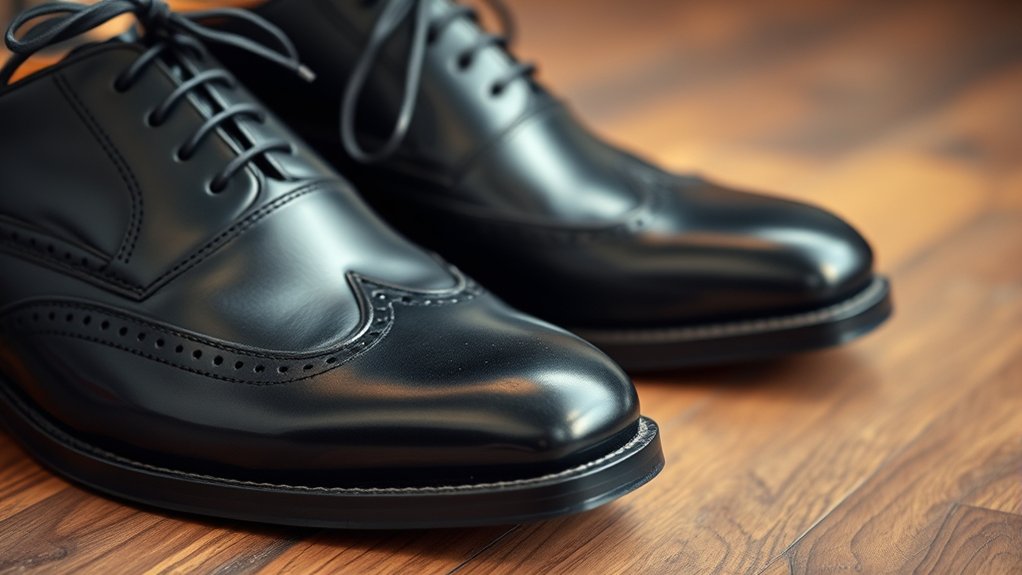
Oxford shoes are classic dress shoes defined by a closed lacing system where the eyelets are stitched beneath the vamp, creating a sleek, refined profile. This distinctive feature sets Oxford shoes apart from other types of footwear. You’ll notice their clean lines, minimal ornamentation, and precise stitching, making them ideal for formal occasions and professional settings.
Typically made from high-quality leather, they balance elegance and durability. As you explore more, you’ll discover how their styles, materials, and history contribute to their timeless appeal and versatility. These qualities make Oxford shoes a staple in many wardrobes worldwide.
Key Takeaways
- Oxford shoes feature a closed lacing system with eyelets stitched beneath the vamp for a sleek, refined appearance.
- They have clean lines, minimal ornamentation, and precise stitching, embodying classic elegance and traditional craftsmanship.
- Oxfords are more formal than other dress shoes, complementing tailored suits and suitable for professional or formal occasions.
- Toe designs vary from simple cap-toes to decorative brogues, affecting the shoe’s formality and style versatility.
- Originating from 19th-century Oxford University, Oxfords evolved into a timeless staple blending heritage with modern adaptations.
Key Features That Define Oxford Shoes
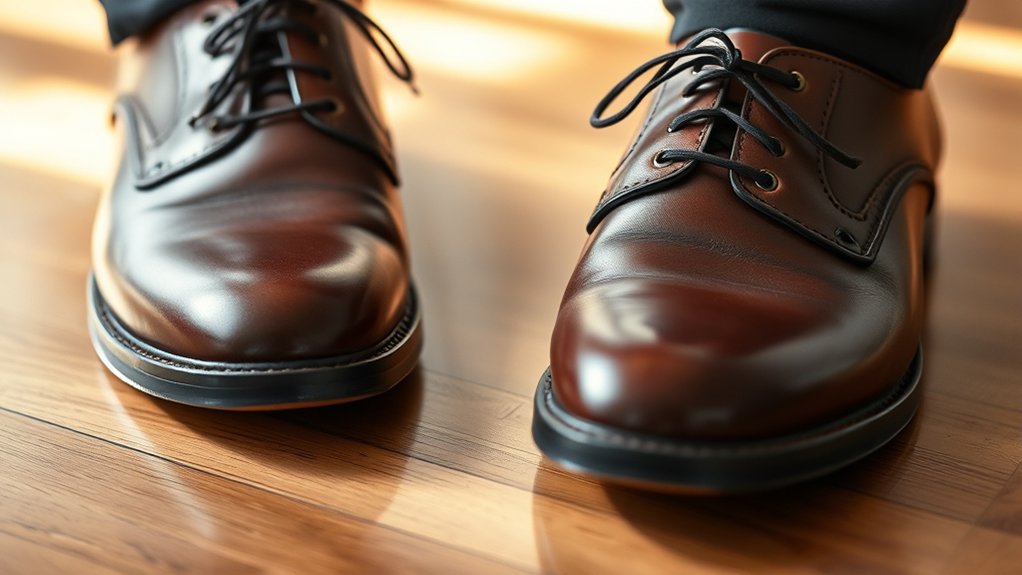
What exactly sets Oxford shoes apart from other footwear styles? You’ll notice their distinctive closed lacing system, where the eyelets are stitched underneath the vamp, ensuring impeccable lacing symmetry. This design feature not only contributes to their sleek appearance but also enhances the shoe’s fit and formality.
When you choose Oxford shoes, you’re investing in footwear known for oxford shoes durability, thanks to high-quality materials and meticulous craftsmanship. Their sturdy construction supports long-lasting wear, making them suitable for both daily professional use and special occasions.
The clean lines, minimal ornamentation, and precise stitching further define the style, allowing you to appreciate their classic elegance. Understanding these key features helps you recognize why Oxford shoes remain a timeless staple in refined wardrobes.
Oxford Shoes vs. Other Dress Shoes: Key Differences
When comparing Oxford shoes to other dress shoes, you’ll notice distinct differences in lace structure, with Oxfords featuring closed lacing that offers a sleek profile. You’ll also find that Oxfords generally hold a higher formality level, making them ideal for formal occasions.
Additionally, toe designs vary considerably, influencing both style and function across different dress shoe types.
Lace Structure Differences
How does the lace structure distinguish Oxford shoes from other dress shoes? The defining characteristic lies in the closed lacing system, where the eyelet tabs are stitched underneath the vamp, creating a sleek, streamlined appearance. This contrasts with open lacing found in Derby shoes, where the tabs sit atop the vamp, offering a wider fit.
Oxford shoes feature a tight, neat lace structure that enhances their formal aesthetic. Additionally, the tongue construction in Oxfords is typically separate and firmly attached, allowing the laces to draw the shoe snugly around the foot.
This precise lace and tongue integration not only contributes to the shoe’s elegance but also ensures a secure fit. Understanding these lace structure differences helps you appreciate the defining qualities of Oxford shoes.
Formality Level Comparison
Why do Oxford shoes hold a higher place in formal attire compared to other dress shoes? Their closed lacing system offers a sleek, polished appearance unmatched in formal wear. When you choose Oxfords, you opt for sophistication that elevates your office attire seamlessly.
Compared to loafers or derby shoes, Oxfords project a refined professionalism essential for formal occasions.
Consider these distinctions:
- Impeccable silhouette that complements tailored suits
- Enhanced versatility across formal events and office settings
- Superior craftsmanship reflecting attention to detail
- Timeless style symbolizing confidence and authority
When selecting shoes for formal wear, Oxfords stand out by combining elegance with practicality, making them the definitive choice for anyone serious about their professional image.
Toe Design Variations
What sets Oxford shoes apart in dress shoe design is their distinctive toe construction, which plays a pivotal role in defining their formal character. Typically, Oxford shoes feature a clean, understated toe cap, offering a sleek and polished appearance that emphasizes simplicity and elegance.
This contrasts with other dress shoes like brogues, where you’ll often find decorative perforations and wingtip designs that add visual complexity. The wingtip toe, characterized by its extended, pointed toe cap with wing-shaped edges, introduces a more casual and intricate aesthetic.
When choosing between these styles, consider that the Oxford’s minimal toe cap design enhances its suitability for formal occasions, while wingtip variations provide a touch of flair better suited for semi-formal or business-casual settings.
Popular Oxford Shoe Styles and Materials
Which designs and materials set Oxford shoes apart in today’s fashion landscape? The Oxford Renaissance has revived classic craftsmanship, blending traditional elements with contemporary innovation. You’ll find styles ranging from sleek cap-toe to intricate brogue patterns, reflecting Oxford Experimentation’s adventurous spirit.
Materials vary widely, offering options that suit diverse tastes and occasions.
Consider these popular choices:
- Polished calf leather for timeless elegance and durability
- Suede for a softer, textured appearance
- Patent leather to make a bold, glossy statement
- Exotic leathers like alligator or ostrich for luxurious uniqueness
When and Where to Wear Oxford Shoes for Style and Comfort
Oxford shoes excel in versatility, seamlessly changing between formal and semi-formal settings while providing both style and comfort. You can confidently wear them to business meetings, weddings, or upscale social events. Their structured design supports your feet, ensuring comfort during extended wear.
When selecting occasions, consider color psychology; darker shades like black convey professionalism, while browns and tans offer warmth and approachability. Seasonal maintenance plays a crucial role in preserving their appearance and comfort. In colder months, ensure proper care against moisture and salt, while lighter colors suit spring and summer events.
Choosing the Right Oxford Shoes for Your Wardrobe
When selecting Oxford shoes, you should carefully consider the style and material to complement your existing wardrobe. Prioritize comfort features that suit your daily wear while ensuring the shoes align with the occasions you attend.
Matching Oxford Styles
How do you select the perfect pair of Oxfords to complement your wardrobe? Start by understanding the importance of fashion pairing and color coordination. Your Oxfords should harmonize with your attire, enhancing your overall appearance without overpowering it.
Consider classic black for formal occasions, or rich browns for versatile daywear. Matching Oxford styles thoughtfully ensures a polished, cohesive look.
- Feel confident knowing your shoes elevate every outfit.
- Experience the satisfaction of impeccable style harmony.
- Impress with subtle yet powerful fashion choices.
- Enjoy the timeless elegance that Oxfords bring.
Material and Comfort Choices
Selecting the right material and ensuring comfort can substantially influence how often you reach for a particular pair of Oxfords. Understanding material textures and applying comfort science principles will help you select shoes that balance durability with wearability.
Leather offers classic elegance and molds to your feet, while suede provides a softer texture but requires extra care. Synthetic materials are budget-friendly but may lack breathability.
| Material Type | Comfort & Texture Description |
|---|---|
| Full-grain Leather | Durable, smooth, molds to foot |
| Suede | Soft, velvety, delicate |
| Synthetic | Lightweight, less breathable |
| Patent Leather | Glossy, firm, less flexible |
Choose based on your daily comfort needs and the shoe’s material textures to maximize both style and wearability.
Occasion Suitability Tips
Where do you see yourself wearing your Oxford shoes most often? Understanding occasion suitability is key when selecting the right pair. Oxfords offer exceptional styling versatility, adapting seamlessly from formal to smart-casual settings.
For your wardrobe, consider these guidelines to maximize their impact:
- Choose classic black leather Oxfords for formal events, ensuring a polished, authoritative look.
- Opt for brown or tan shades to complement business-casual attire, adding warmth and approachability.
- Select suede or matte finishes for weekend outings, balancing sophistication with relaxed charm.
- Reserve decorative brogue details for less formal occasions to inject personality without sacrificing elegance.
The History and Evolution of Oxford Shoes
When did Oxford shoes first gain their distinctive style and reputation? They originated in the early 19th century at Oxford University, evolving from the history of boots worn by students seeking lighter, more comfortable footwear. The closed lacing system distinguished Oxfords from other shoes, offering a sleek, refined appearance.
As fashion progressed, the evolution of sneaker designs influenced casual versions of Oxford shoes, blending traditional craftsmanship with modern materials for versatility. You’ll find that the Oxford shoe’s design balances formality and function, reflecting a rich heritage while adapting to contemporary tastes.
Understanding this evolution helps you appreciate why Oxford shoes remain a timeless staple in men’s and women’s wardrobes, embodying both historical significance and enduring style.
Frequently Asked Questions
How Do I Clean and Maintain Oxford Shoes?
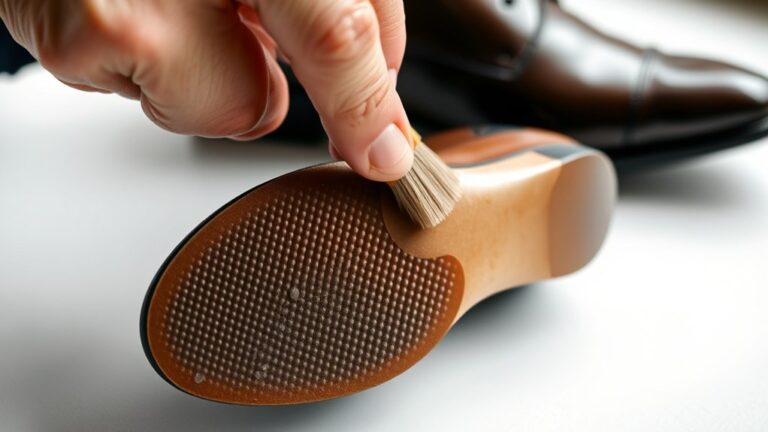
You should follow cleaning tips by gently brushing dirt off, applying a leather cleaner, and conditioning regularly.
For maintenance routines, polish with quality wax, store in a shoe tree, and avoid excessive moisture to preserve your Oxfords’ elegance.
Are Oxford Shoes Suitable for Outdoor Activities?
Oh, absolutely. Oxford shoes are perfect for rugged hikes! In reality, their outdoor material suitability is limited, but choosing models with non-slip sole options can improve traction. They remain less ideal compared to specialized outdoor footwear.
Can Oxford Shoes Be Resoled or Repaired Easily?
You can resole Oxford shoes, but your resoling options depend on the sole type. Leather soles allow easier repair, while rubber soles present repair challenges. These require professional assessment to ensure proper restoration without compromising shoe integrity.
What Socks Pair Best With Oxford Shoes?
About 70% of professionals choose neutral sock colors with oxford shoes. You should opt for mid-calf sock length in navy, black, or gray to complement the shoe’s formal style, ensuring a polished, sophisticated appearance.
Are Oxford Shoes Comfortable for Long Walks?
You’ll find Oxford shoes comfortable for walking if they feature a cushioned insole and a longwear design with quality materials. Proper fit and occasional breaks enhance comfort during extended wear, ensuring enjoyable, comfortable walking experiences.
Conclusion
Now that you’ve uncovered the defining traits, distinct styles, and ideal occasions for Oxford shoes, you might think you’ve seen it all. But here’s the twist: their rich history and timeless elegance still hold surprises that can transform your wardrobe in unexpected ways.
Ready to step into sophistication with confidence? The perfect Oxford shoe isn’t just a choice—it’s an invitation to elevate your style beyond the ordinary.
Embracing Oxford shoes means embracing a legacy of class and versatility that enhances any outfit.