What Happened to Cushe Shoes
Cushe Shoes built their reputation on comfort with memory foam insoles and lightweight designs, blending style with practicality. The brand became known for delivering shoes that prioritized wearer comfort without sacrificing aesthetics.
However, when new ownership shifted focus toward broad lifestyle marketing, Cushe Shoes lost its clear identity, which confused many loyal fans. Retailers began prioritizing bigger names, and supply issues added strain amid rising competition and changing trends.
Today, Cushe Shoes is quietly staging a comeback by honoring its roots with quality releases and niche positioning. Keep exploring to understand the full story behind their rise, fall, and revival.
Key Takeaways
- Cushe Shoes initially gained popularity for comfort innovations and a stylish, urban aesthetic appealing to active consumers.
- Ownership changes shifted focus from comfort to broad lifestyle marketing, diluting brand identity and confusing loyal customers.
- Reduced retail presence and online visibility occurred as marketing budgets favored other brands and consumer trends moved mainstream.
- Supply chain disruptions, increased competition, and shifting fashion trends contributed to declining sales and market exit.
- Recently, Cushe has re-emerged with limited releases focusing on heritage, quality, and niche appeal for a modest comeback.
How Cushe Shoes Built Their Reputation for Comfort and Style
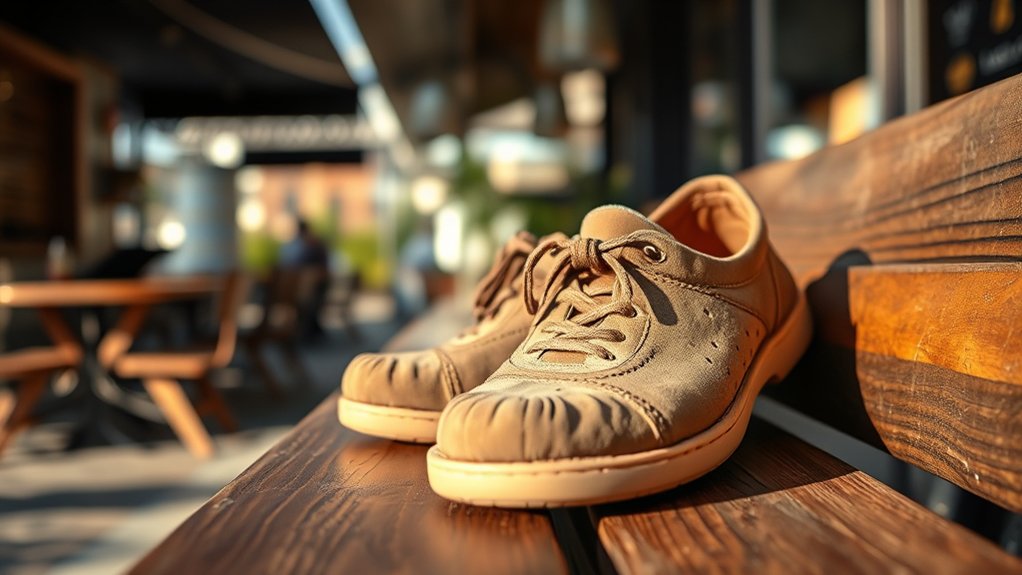
How did Cushe Shoes manage to carve out a niche where comfort meets style so effectively? You’ll find that their success hinged on pioneering comfort innovations, such as using memory foam insoles and lightweight materials that catered to active, fashion-conscious consumers.
They didn’t just follow trends; they anticipated a growing demand for shoes that felt as good as they looked. Alongside these innovations, Cushe executed subtle branding shifts, moving from a niche outdoor vibe to a more urban, versatile aesthetic.
This repositioning helped you associate their products with both everyday wear and casual sophistication. By aligning product design with evolving lifestyle preferences, Cushe built a reputation that balanced practicality and fashion, making it easier for you to choose comfort without sacrificing style.
Ownership Shifts and Strategy Changes That Impacted Cushe Shoes
Cushe’s initial success in blending comfort with style set a strong foundation, but changes in ownership brought new directions that considerably influenced the brand’s trajectory. When new management took over, they introduced a tangential shift in strategy, veering away from Cushe’s core identity.
Instead of deepening the shoes’ unique comfort and casual appeal, the focus expanded into unrelated topics like aggressive lifestyle marketing and broader fashion trends. This diluted Cushe’s distinctiveness and confused loyal customers.
You can see how these ownership shifts led to inconsistent messaging and product lines that no longer resonated as strongly. The brand’s original niche eroded under these strategic pivots, making it harder for Cushe to maintain its foothold in a competitive market. Essentially, the ownership changes steered Cushe off course from its proven path.
Why Cushe Shoes Started to Disappear From Retail and Online
Why did Cushe shoes gradually vanish from both retail shelves and online platforms? You’ll find it wasn’t a simple cause but a mix of strategic shifts and market dynamics. Retailers favored brands with broader appeal, sidelining Cushe’s niche designs.
Meanwhile, online algorithms deprioritized Cushe, pushing it into obscurity. Conversations about Cushe sometimes veered into non sequitur, with unrelated tangents distracting from core issues like inventory management and marketing investment.
| Factor | Impact | Context |
|---|---|---|
| Retail preference | Reduced shelf space | Shift to mass-market brands |
| Online algorithms | Lower visibility | Focus on trending products |
| Marketing budget | Limited promotion | Competing priorities |
| Brand positioning | Niche appeal | Misaligned with mainstream |
| Consumer trends | Changing preferences | Demand for innovation |
These combined forces explain Cushe’s quiet retreat.
The Challenges That Made Cushe Shoes Disappear
What obstacles forced Cushe shoes out of the market? You’d find that a combination of factors played a critical role. First, a temporary downturn in consumer demand hit the brand hard, limiting its ability to sustain sales momentum.
A temporary dip in consumer demand significantly disrupted Cushe shoes’ sales momentum.
At the same time, Cushe faced persistent supply chain disruptions, which delayed production and increased costs. These issues made it difficult for the company to keep inventory stocked and meet retailer expectations.
Moreover, increased competition from larger, well-funded brands squeezed Cushe’s market share, intensifying pressure on margins. You also can’t ignore how shifts in consumer preferences toward athleisure and fast fashion challenged Cushe’s niche appeal.
Together, these challenges created a perfect storm that made it nearly impossible for Cushe shoes to maintain their foothold in a rapidly evolving retail landscape.
Cushe Shoes Today and What’s Next
How has the footwear brand adapted to its setbacks and changing market conditions? Cushe Shoes has leaned into nostalgic retrospectives, reconnecting with loyal fans who remember its original comfort-driven designs. By tapping into this sentiment, Cushe has subtly re-emerged from its market disappearance, focusing on limited releases that honor its heritage while integrating modern materials and sustainability practices.
If you follow their current trajectory, you’ll notice the brand prioritizes quality over quantity, aiming to carve a niche rather than compete broadly. Looking ahead, Cushe seems poised to blend its classic ethos with evolving consumer demands, potentially expanding collaborations and digital engagement.
For you, this means Cushe isn’t just a relic; it’s thoughtfully positioning itself for a modest yet meaningful comeback.
Frequently Asked Questions
Where Were Cushe Shoes Originally Manufactured?
Cushe Shoes’ origin country is the United States, where their early manufacturing focused on blending comfort with casual style.
You’ll notice their initial production emphasized quality craftsmanship rooted in American design principles.
What Materials Are Typically Used in Cushe Shoes?
You’ll find Cushe shoes use premium materials like soft suede, breathable mesh, and durable rubber soles. These materials, reflecting their manufacturing origins in the USA, ensure comfort and longevity while maintaining a distinctive, rugged aesthetic.
Did Cushe Shoes Have Any Celebrity Endorsements?
Ever wonder if Cushe shoes danced with fame? They didn’t rely heavily on celebrity sponsorships but engaged in subtle brand collaborations. They focused more on product quality than flashy endorsements, making their appeal quietly authentic yet niche-focused.
Were Cushe Shoes Ever Involved in Any Legal Disputes?
You won’t find any major legal disputes tied to Cushe Shoes; despite their celebrity endorsements boosting visibility, the brand managed to avoid public legal battles. They focused instead on product innovation and niche market appeal without legal distractions.
How Did Cushe Shoes Influence Sneaker Culture?
Like a pebble creating ripples, Cushe shoes sparked influential collaborations that shaped sneaker culture. You’ll see their cultural impact in blending comfort with style, pushing boundaries and inspiring designs that resonate deeply with sneaker enthusiasts worldwide.
Conclusion
You might notice Cushe shoes have quietly stepped back from the spotlight, navigating a subtle shift in the market’s currents. While their signature comfort and style once defined your casual wardrobe, strategic changes and competitive tides nudged them toward a gentler pace.
Though their presence has softened, the brand’s legacy lingers, hinting at potential new chapters. Keep an eye out—Cushe’s story isn’t closed, just evolving behind the scenes. The future of Cushe shoes may yet surprise and delight fans old and new.