What Shoes Do Nurses Wear
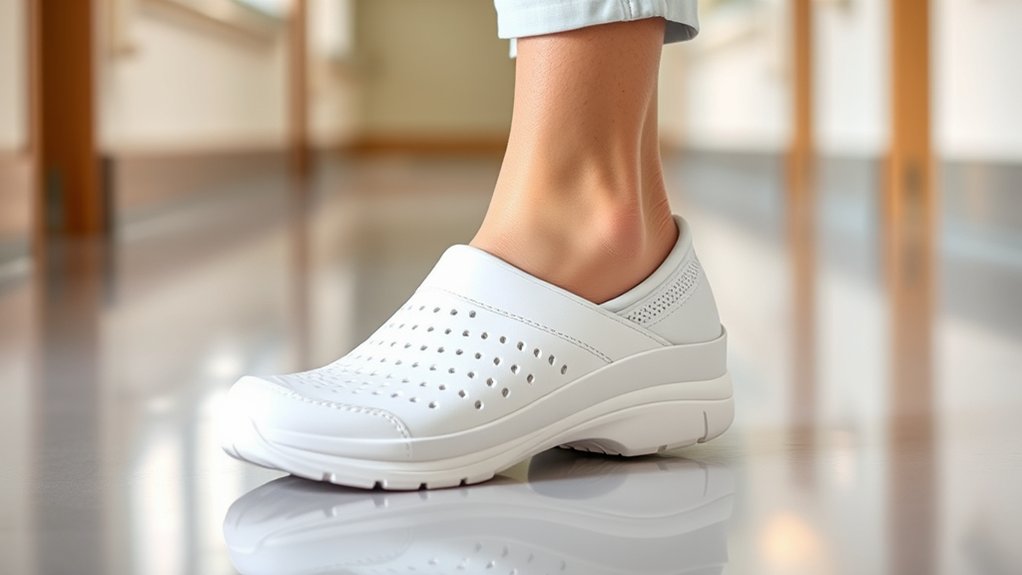
You need nurse shoes that deliver comfort, support, and safety to handle long shifts. Choosing the right nurse shoes is essential for maintaining foot health and overall well-being during demanding work hours. Look for slip-resistant soles to prevent falls and durable materials like leather or breathable mesh for all-day wear.
Memory foam insoles and ergonomic arch support reduce fatigue, while protective toe features shield your feet. Shoes should combine these essentials with professional style and easy maintenance. Keep your workday worry-free—explore key features and care tips to choose the best pair for your needs.
Key Takeaways
- Nurses wear shoes with slip-resistant soles to ensure safety on wet or slippery hospital floors.
- Comfort features like memory foam insoles and arch support are essential for long shifts on their feet.
- Durable materials such as leather, mesh, and synthetic fabrics provide breathability, support, and longevity.
- Protective elements like reinforced toe caps shield feet from impacts and dropped instruments.
- Popular nurse shoe styles focus on cushioning, traction, flexibility, and easy maintenance for all-day wear.
Why Comfort and Support Matter in Nurse Shoes
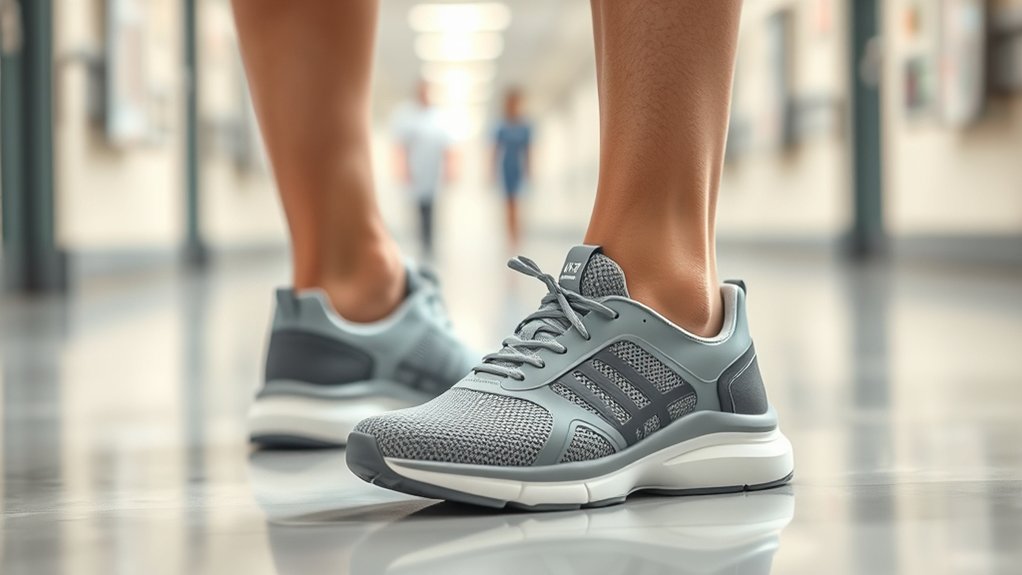
Why should you prioritize comfort and support when choosing nurse shoes? Because your job demands long hours on your feet, making comfort trends crucial to your daily well-being. Shoes that offer proper support prevent fatigue, reduce the risk of foot pain, and enhance your overall performance during shifts.
You don’t want to compromise your health for style, but thankfully, modern comfort trends blend fashion practicality with ergonomic design. Selecting shoes that align with these trends ensures you maintain energy and focus without sacrificing professional appearance.
Must-Have Features for Nurse Shoes (Including Slip Resistance)
Although comfort and support are fundamental, you also need nurse shoes equipped with specific features that enhance safety and functionality. Slip resistance is essential, helping you maintain stability on wet or slippery hospital floors.
Look for soles with reliable traction to prevent falls during long shifts. Shoe durability matters too; your shoes should withstand constant wear without losing support or integrity.
Toe protection is another crucial feature, shielding your feet from accidental impacts or dropped instruments. Additionally, consider shoes with reinforced toe caps or protective overlays to minimize injury risk.
Best Materials for Durable and Breathable Nurse Shoes
What makes a shoe both durable and breathable? It’s the smart combination of durable materials and breathable fabrics that keep your feet comfortable and supported throughout long shifts.
When selecting nurse shoes, consider these key materials:
- Leather: Offers excellent durability and molds to your feet over time.
- Mesh: Provides superior breathability, reducing sweat and heat buildup.
- Synthetic fabrics: Lightweight and moisture-wicking for all-day comfort.
- Rubber soles: Ensure durability and slip resistance on hospital floors.
- Memory foam insoles: Enhance comfort while complementing breathable uppers.
Choosing shoes made with these materials means you won’t have to compromise between longevity and ventilation. Your feet stay dry, supported, and ready for anything your shift throws at you.
Most Popular Nurse Shoe Styles
You’ll find that the most popular nurse shoe styles prioritize comfort and support to keep you on your feet all day. Slip-resistant soles are also a must-have feature to guarantee safety in fast-paced, wet environments.
Let’s explore the designs that combine these essential qualities.
Comfort-Focused Designs
How do nurses stay comfortable during long shifts on their feet? Comfort-focused designs prioritize your well-being with a comfort centric approach, ensuring you can move confidently and pain-free.
These shoes combine cushioning, support, and a traction first mindset to keep you stable on various hospital surfaces. You’ll find features like:
- Memory foam insoles that cradle your feet
- Lightweight materials reducing fatigue
- Arch support tailored to all-day wear
- Breathable fabrics preventing overheating
- Flexible soles adapting to your every step
Choosing comfort-focused shoes means you won’t have to compromise between support and ease. These designs help you maintain energy throughout demanding shifts, so you can focus on what matters, caring for patients.
Slip-Resistant Options
Why prioritize slip-resistant shoes during your nursing shifts? Because hospital floors can be wet and slippery, increasing your risk of falls and injuries. Slip-resistant shoes offer enhanced safety by featuring specialized tread design that maximizes grip on various surfaces.
When choosing slip-resistant options, look for soles made from high-quality rubber or synthetic materials with deep grooves or patterns that channel away liquids and provide traction. These shoes not only protect you but also boost your confidence to move quickly and efficiently.
Many popular nurse shoe styles combine slip resistance with comfort, ensuring you don’t sacrifice support for safety. Investing in slip-resistant footwear is essential for maintaining your well-being and delivering care without interruptions caused by preventable accidents.
Choosing Nurse Shoes for Different Work Settings
Where do you spend most of your nursing shifts? Your choice of nurse shoes should reflect the unique demands of your care settings, ensuring comfort, safety, and proper shoe hygiene. Different environments require specific features to keep you supported and protected throughout your day.
Consider these factors when selecting shoes for various work settings:
Hospital wards: Prioritize slip resistance and cushioning for long hours on hard floors.
Outpatient clinics: Choose lightweight, breathable shoes for moderate activity.
Emergency rooms: Opt for durable, impact-resistant shoes to handle fast-paced work.
Long-term care facilities: Look for easy-to-clean materials to maintain shoe hygiene.
Home health visits: Select versatile, comfortable shoes suitable for walking and uneven surfaces.
Matching your shoes to your work environment helps you stay focused and comfortable all shift long.
Tips for Maintaining Your Nurse Shoes
When should you clean and inspect your nurse shoes to keep them in top condition? Ideally, you should clean and check them weekly to maintain comfort tech features and stay aligned with fashion trends. Regular care prevents wear and preserves support.
| Maintenance Task | Frequency |
|---|---|
| Clean soles and uppers | Weekly |
| Inspect for damage | Weekly |
| Replace insoles | Every 3 months |
Wipe off dirt with a damp cloth and mild detergent. Check for worn-out soles, loose stitching, or compromised cushioning. This ensures your shoes continue providing the support and style nurses need on long shifts.
Proper upkeep extends their lifespan and performance, letting you focus on patient care with confidence and comfort.
When and How to Replace Nurse Shoes
You should replace your nurse shoes as soon as you notice signs of wear like sole thinning, loss of support, or discomfort. Generally, swapping them out every six to twelve months ensures optimal comfort and safety.
When it’s time to dispose of your shoes, consider recycling options or donate them if they’re still in decent condition.
Signs Shoes Are Worn
How do you know it’s time to replace your nurse shoes? Recognizing signs worn early prevents discomfort and injury during long shifts. Pay close attention to sole wear as it greatly affects support and slip resistance.
If you notice any of these issues, it’s time to consider new shoes:
- Uneven sole wear causing instability
- Visible cracks or holes in the upper material
- Reduced cushioning leading to foot pain
- Loose or broken laces and eyelets
- Persistent odor despite cleaning
Ignoring these signs worn can compromise your safety and comfort. Regularly inspecting your shoes ensures you stay supported and focused while caring for patients.
Don’t wait until pain or fatigue forces a change. Replace shoes when these clear indicators appear.
Optimal Replacement Frequency
Although nurse shoes can seem durable, their effectiveness diminishes with consistent daily use, making timely replacement essential. Maintaining a proper replacement cadence helps protect your foot health impact and ensures comfort during long shifts.
Typically, replacing shoes every 6 to 12 months is recommended, depending on wear patterns and job intensity. Monitor tread wear, cushioning, and structural support regularly to decide when to replace your shoes.
| Factor | Indicator | Replacement Timeline |
|---|---|---|
| Tread Wear | Smooth or uneven soles | 6-9 months |
| Cushioning | Loss of shock absorption | 6-12 months |
| Structural Support | Heel collapse or instability | Immediate replacement |
Staying proactive with replacement prevents foot pain and injuries, supporting your demanding work environment.
Proper Disposal Methods
When should you dispose of your nurse shoes, and what’s the best way to do it? You should replace them once they show signs of wear affecting support or safety. Proper disposal addresses disposal concerns and reduces environmental impact.
Here’s how to handle it responsibly:
- Check for worn-out soles or compromised cushioning.
- Avoid tossing shoes in regular trash to limit landfill waste.
- Donate gently used pairs to nursing students or charities.
- Recycle materials through specialized programs if available.
- Consider eco-friendly brands next time to minimize future impact.
Frequently Asked Questions
Can Nurse Shoes Be Customized With Orthotic Inserts?
Yes, you can customize nurse shoes with custom orthotics for better support. Many brands also offer color customization, letting you personalize your footwear while ensuring comfort and meeting your professional needs throughout long shifts.
Are There Specific Colors Required for Nurse Shoes?
You’ll find color options for nurse shoes vary based on dress code policies at your workplace. Some facilities require specific colors to maintain uniformity, while others allow broader choices. Always check your employer’s guidelines first.
How Do Nurse Shoes Differ Internationally?
You’ll notice nurse shoes differ internationally due to varying international standards and cultural perceptions. Some countries prioritize slip resistance and support, while others focus on color or style reflecting local customs and healthcare protocols.
Can Nurse Shoes Be Worn Outside of Work?
Yes, you can wear nurse shoes outside of work, especially if they offer comfort and support. Customization of orthotic inserts enhances their fit, making them suitable for daily activities beyond your nursing shifts.
Are There Eco-Friendly Nurse Shoe Options?
You’ll find eco-friendly nurse shoes making up over 20% of the market, designed to be orthotic friendly for comfort. These options use sustainable materials without sacrificing support, so you can stay green and pain-free during long shifts.
Conclusion
Choosing the right nurse shoes isn’t just about style—it’s about caring for your feet as much as you care for your patients. With comfort, support, and durability in mind, you’ll stand strong through every shift. Like a trusted partner, your shoes carry you forward, step by step.
Don’t settle for less; invest in footwear that works as hard as you do. Because your well-being deserves nothing less, choosing the best shoes for nurses is essential to keep you comfortable and supported all day long.