When to Buy New Running Shoes
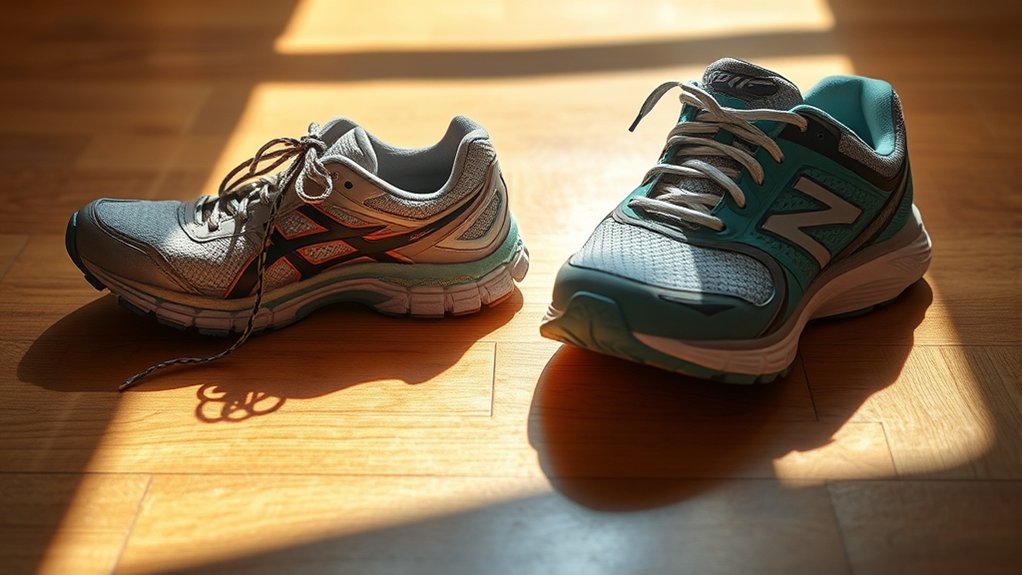
You should buy new running shoes when you notice reduced cushioning, visible midsole flattening, or uneven outsole wear that affects stability and traction.
Knowing when to buy new running shoes is essential to prevent discomfort and injury. Most shoes last between 300 to 500 miles, but terrain and running style can shorten their lifespan.
Worn-out shoes can cause discomfort, joint soreness, and increase injury risk due to less shock absorption and support.
Keeping an eye on these signs helps maintain your performance and safety. Understanding factors affecting shoe wear can help you choose the right timing.
Key Takeaways
- Replace running shoes after 300 to 500 miles, depending on running style and terrain.
- Look for compressed midsoles or visible midsole creasing indicating reduced cushioning.
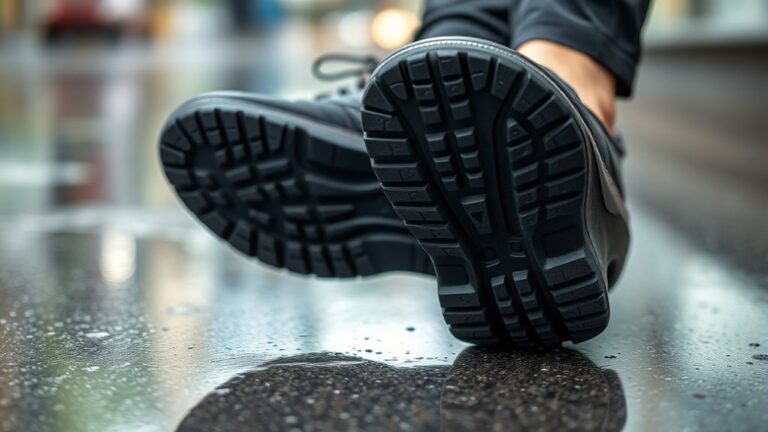
- Check for outsole wear that affects traction and stability during runs.
- Notice increased joint soreness or discomfort signaling reduced shock absorption.
- Monitor uneven wear patterns that impact support and running form.
How To Tell When Your Running Shoes Need Replacing
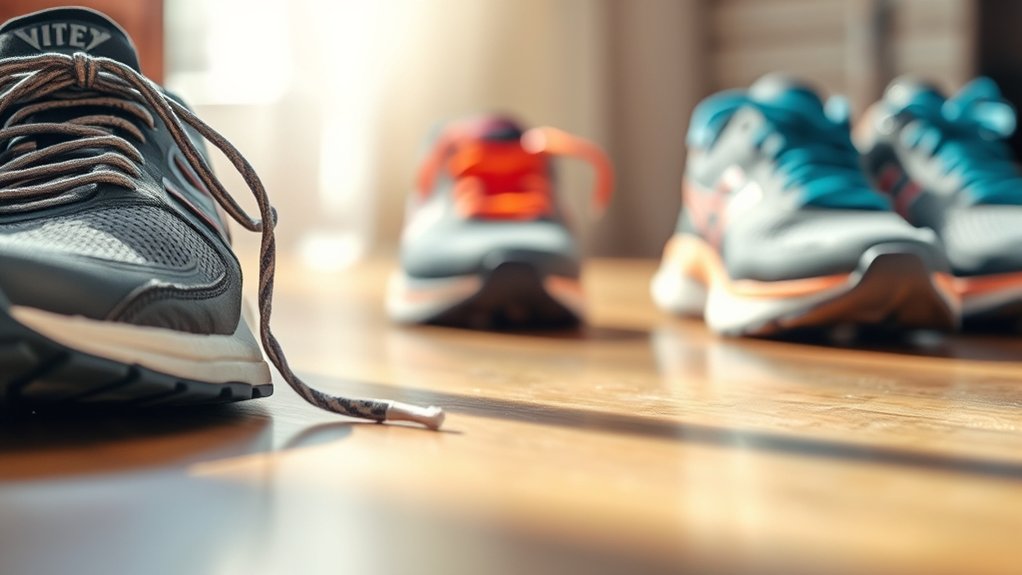
How do you know when it’s time to replace your running shoes? Start by examining their condition beyond just worn out aesthetics like scuffed surfaces or faded colors. While these signs might catch your eye, rely more on functional indicators such as compressed midsoles, reduced cushioning, or outsole wear that affects traction.
Don’t be swayed solely by hype factors like the latest model releases or flashy designs; prioritize performance and support over trends. If your shoes no longer provide the stability and comfort you need, it’s a clear signal for replacement.
Regularly assessing these practical aspects ensures you maintain optimal running efficiency and minimize injury risk, making your shoe replacement decisions both timely and well-informed.
Common Problems From Worn-Out Running Shoes
Worn-out running shoes can cause several common problems that directly impact your performance and health. When the cushioning breaks down and the wear pattern becomes uneven, you risk injury and discomfort. You might notice increased toe tension, which affects your stride and causes blisters or joint pain.
Worn-out running shoes compromise cushioning and stride, increasing the risk of injury and discomfort.
Watch for these signs in your worn shoes:
- Uneven wear pattern leading to poor stability and pronation issues
- Increased toe tension causing discomfort and limiting foot movement
- Reduced shock absorption resulting in joint soreness and fatigue
- Decreased outsole grip raising the risk of slips and falls
Replacing your shoes before these problems worsen helps maintain proper alignment, comfort, and injury prevention during your runs.
How Mileage Impacts Running Shoe Lifespan
Wondering when to retire your running shoes? Understanding mileage expectations is key to maximizing shoe longevity. Most running shoes are designed to last between 300 to 500 miles, depending on factors like your running style, terrain, and shoe construction.
Tracking your mileage helps you anticipate when cushioning and support might degrade, even if the shoes look fine externally. Ignoring mileage can lead to increased injury risk because worn-out shoes no longer provide adequate protection.
How Cushioning And Support Affect Your Running Over Time
You’ll notice that cushioning gradually breaks down, reducing shock absorption and increasing impact on your joints. Support features also wear out over time, which can raise your risk of injury by affecting your running form.
Maintaining proper cushioning and support is essential for long-term performance and injury prevention.
Cushioning Wear Impact
The cushioning and support in your running shoes play a vital role in maintaining comfort and preventing injury as you log miles. Over time, cushioning degradation and midsole compression diminish your shoes’ effectiveness, impacting your running experience.
You’ll notice less shock absorption and increased fatigue as the materials break down.
Watch for these signs:
- Reduced responsiveness during runs
- Increased foot or joint discomfort
- Visible midsole flattening or creasing
- Changes in running form due to altered cushioning
When cushioning wears out, your shoes no longer provide adequate protection, increasing strain on your body. Monitoring these indicators helps you decide when it’s time to replace your shoes and maintain optimal performance and safety on the road or trail.
Support Role In Injury
As cushioning wears down, the support your running shoes provide also diminishes, directly influencing your risk of injury. The support role of your shoes is crucial in maintaining proper foot alignment and absorbing impact forces during runs.
When support weakens, your feet and legs endure increased stress, leading to a higher injury risk, including strains, shin splints, and joint pain. You might not notice gradual support loss until discomfort arises.
Monitoring your shoes for signs of wear, such as compressed midsoles or uneven outsoles, helps you identify when the support role is compromised. Replacing shoes before support deteriorates significantly safeguards your body, reducing injury risk and promoting safer, more comfortable runs.
Prioritize shoe support to keep your running routine healthy and injury-free.
Long-Term Running Performance
How does cushioning and support impact your running performance over time? Both play critical roles in maintaining comfort, preventing injury, and sustaining efficiency as your shoes wear down.
When deciding replacement, you need to contemplate how the cushioning compresses and support structures weaken, affecting your stride and shock absorption. Monitoring these changes ensures you maintain prime long term durability and performance.
Key factors to watch include:
- Cushioning breakdown leading to increased impact forces
- Support degradation causing instability or altered gait
- Signs of uneven wear indicating compromised shoe integrity
- Reduced responsiveness affecting running economy
When Should Different Runners Replace Their Shoes?
When should you replace your running shoes? It depends on your running style, mileage, and shoe wear. If you run frequently or train intensely, replacing shoes every 300 to 500 miles can help with misuse prevention by maintaining proper support and cushioning.
Casual or occasional runners may extend this range but should still monitor sole wear and comfort. Pay attention to style trends only for guidance on new technologies, not as a replacement indicator.
Trail runners might need to replace shoes sooner due to rough terrain causing faster degradation, while road runners can often get more mileage. Ultimately, listening to your body and checking shoe condition regularly ensures you avoid injury and maintain performance.
Replace your shoes promptly when you notice reduced shock absorption or structural breakdown.
Choosing The Right Running Shoes For You
What factors should you consider to find the running shoes that fit your needs best? Choosing footwear tailored to your unique requirements starts with understanding your foot strike patterns and running style. This knowledge helps you select shoes that provide optimal support and cushioning, reducing injury risk.
Keep these key points in mind when choosing footwear:
- Identify your foot strike pattern: heel, midfoot, or forefoot
- Consider arch type and pronation for proper stability
- Evaluate the shoe’s cushioning based on your running surface
- Prioritize fit and comfort, ensuring enough room in the toe box
Frequently Asked Questions
How Should I Break in New Running Shoes?
You should gradually increase wear time to break in new shoes. Use break in tips like wearing them indoors first and checking sock liner comfort.
This helps prevent blisters and ensures a perfect fit before running.
Can Running Shoes Affect My Running Speed?
You might not realize it, but your running speed can change dramatically based on shoe fit and cushioning tech.
Shoes that don’t support you properly slow you down, while the right pair helps you race faster and longer.
How Do Weather Conditions Impact Running Shoe Durability?
Weather impacts your running shoes by accelerating tread wear, especially in wet or abrasive conditions. You’ll notice faster sole degradation and reduced cushioning.
Adjusting your shoe rotation based on environment helps maintain durability and performance.
Are Expensive Running Shoes Always Better?
Expensive shoes aren’t always better; you should weigh their perceived benefits against your needs. Sometimes, mid-range options offer excellent durability and comfort, so don’t assume higher cost guarantees superior performance or fit.
How Do I Clean and Maintain My Running Shoes?
Don’t let dirt pile up like a house on fire. Use gentle cleaning techniques, like hand washing with mild soap and air drying.
For odor control, sprinkle baking soda inside your shoes and let it sit overnight.
Conclusion
You might’ve heard that running shoes lose effectiveness exactly after 300-500 miles, but it’s not a strict rule—it varies based on your stride, terrain, and shoe type. The key is paying attention to wear signs and how your feet feel. Don’t wait for pain or injury.
By regularly evaluating mileage, cushioning, and support, you’ll know when to replace your shoes and keep your runs safe and comfortable. Stay proactive, and your feet will thank you.
Knowing when to buy new running shoes is essential for maintaining comfort and preventing injury.