Where to Buy Hiking Shoes
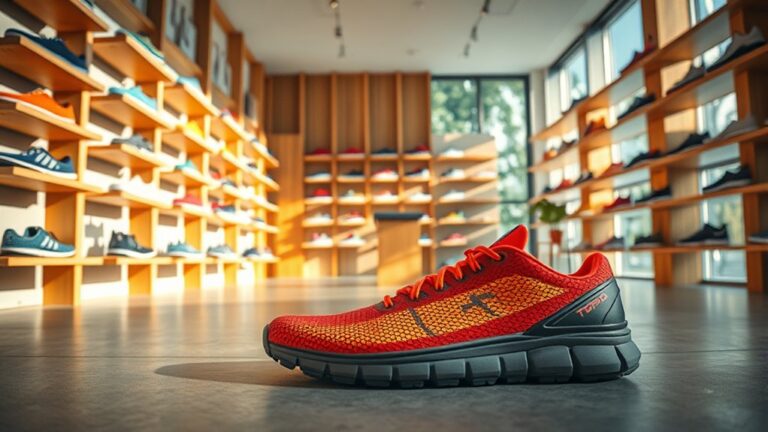
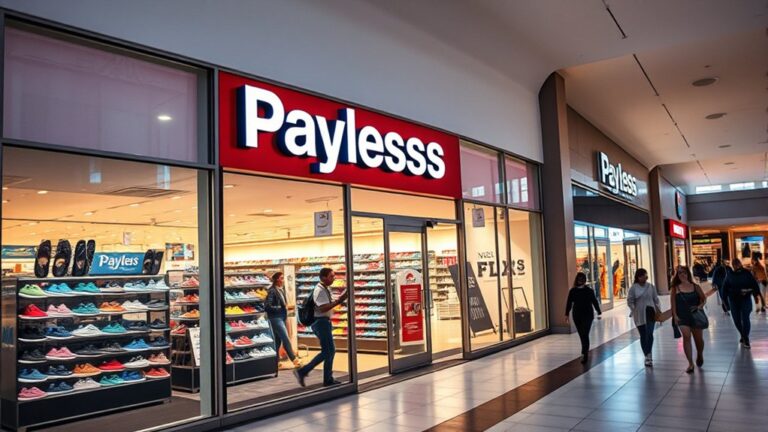
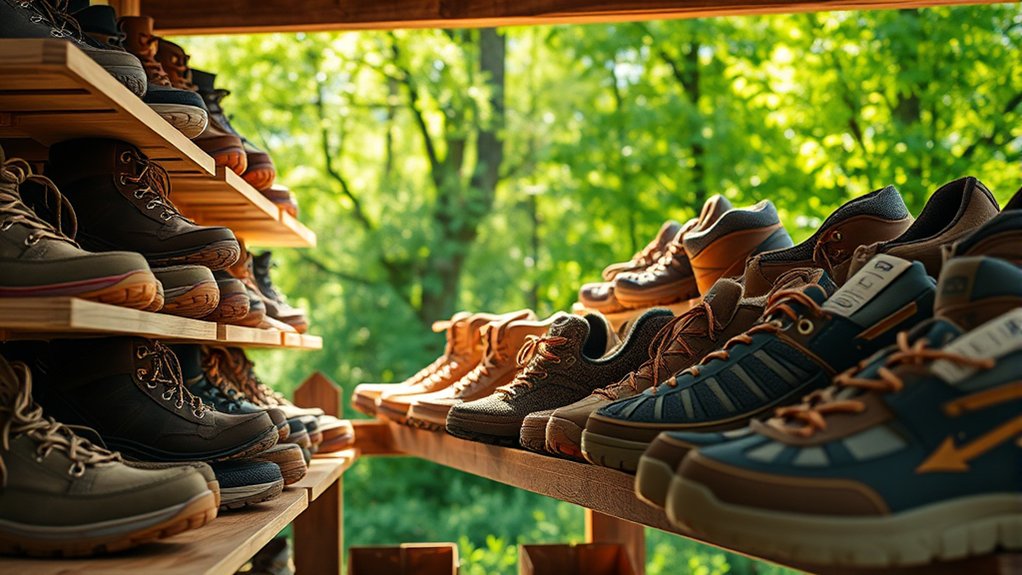
You can buy hiking shoes from reputable online retailers offering detailed specs and flexible returns or visit local specialty stores for expert fitting and performance testing. Look for affordable options in factory outlets or seasonal sales, and explore boutique brands for advanced materials and custom features.
Consider trail type, durability, and fit critically. Using verified reviews helps ensure quality and comfort. Understanding off-season pricing and in-store checks will further refine your choice for the best trail-ready footwear.
Key Takeaways
- Purchase from reputable outdoor retailers online offering detailed specs, verified reviews, and flexible return policies for accurate fit and quality assurance.
- Visit local outdoor specialty stores to try multiple hiking shoe models, receive expert fitting advice, and test comfort and support on various surfaces.
- Explore factory outlets, seasonal sales, and clearance sections for affordable, high-quality hiking shoes with durable features and waterproof membranes.
- Consider niche brands and boutique stores for specialized hiking shoes with advanced materials, custom fittings, and exclusive models for terrain-specific needs.
- Monitor off-season pricing, online flash deals, and major holiday sales to find discounted hiking shoes without compromising technology or durability.
How to Choose Hiking Shoes for Your Trail Type
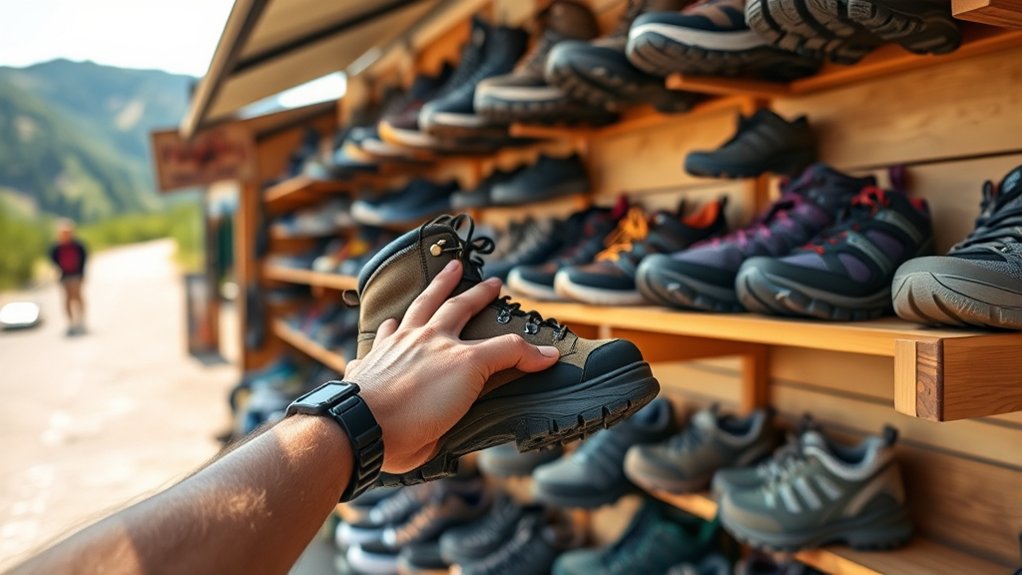
How do you select the right hiking shoes tailored to your specific trail conditions? First, assess the trail maintenance level: well-maintained paths require lighter shoes with moderate grip, while rugged, unmaintained trails demand robust footwear with enhanced durability and aggressive tread patterns.
Prioritize footwear durability to withstand abrasion, moisture, and impact on rocky or uneven surfaces. Materials like full-grain leather or reinforced synthetics offer superior protection and longevity.
Consider sole stiffness, as firmer soles provide stability on uneven terrain, reducing foot fatigue and injury risk. Evaluate waterproofing features if the trail involves wet environments; however, ensure breathability to avoid moisture buildup inside.
Where to Find Quality Hiking Shoes Online
Selecting hiking shoes that match your trail requirements sets the foundation for a successful outdoor experience, but finding reliable sources to purchase them online ensures you get authentic, high-quality gear. Start with reputable retailers specializing in outdoor equipment, as they provide detailed product specifications and verified customer reviews critical for evaluating durability and fit.
When finding sizes online, consult sizing charts meticulously and consider user feedback to anticipate variations across brands. Prioritize sites offering flexible return policies, enabling precise fit adjustments.
Additionally, review guidance on how to care for your shoes, including cleaning and waterproofing techniques, to extend their lifespan. By focusing on these technical details, you’ll secure footwear that performs reliably on varied terrains and maintains structural integrity through rigorous use.
Best Local Stores to Try Hiking Shoes in Person
Where can you find hiking shoes that fit perfectly and meet your technical requirements before committing to a purchase? Local stores specializing in outdoor gear offer the advantage of professional try on sessions, allowing you to assess fit, comfort, and support firsthand.
These stores typically stock a range of models with varied size availability, ensuring you can test multiple options. Unlike online retailers, local stores provide immediate feedback and the chance to evaluate shoe performance on indoor test surfaces.
Staff expertise helps you navigate technical features such as sole rigidity, waterproof membranes, and ankle support. Visiting local stores reduces the risk of sizing errors common with online purchases, ultimately ensuring you select hiking shoes tailored precisely to your foot anatomy and hiking needs.
Where to Find Affordable Quality Hiking Shoes
Finding affordable quality hiking shoes requires a strategic approach that balances cost with essential technical features. When working within budget constraints, focus on retailers offering affordable bundles that combine hiking shoes with complementary gear, maximizing value.
Prioritize shoes with durable outsoles, waterproof membranes, and adequate ankle support, ensuring performance isn’t sacrificed for price. Online marketplaces often provide competitive pricing but verify seller credibility and return policies to avoid subpar products.
Factory outlets and seasonal sales present opportunities to acquire high-spec models below retail cost. You should also monitor clearance sections of reputable outdoor retailers, where last season’s models meet quality standards at reduced prices.
Specialty Brands and Boutiques for Hiking Shoe Enthusiasts
You’ll find that niche hiking shoe makers focus on specialized materials and innovative designs tailored to specific terrains and foot biomechanics. Boutique stores often provide personalized fitting services and expert guidance, ensuring you select the optimal shoe for your hiking needs.
Exploring these options can enhance your performance and comfort on challenging trails.
Niche Hiking Shoe Makers
Niche hiking shoe makers cater to enthusiasts who demand specialized performance and craftsmanship beyond mainstream offerings. When you choose these makers, you gain access to niche materials like Vibram soles with enhanced grip compounds or waterproof, breathable membranes tailored for specific environments.
These brands often incorporate custom insoles designed to optimize foot support and alignment, reducing fatigue on long treks. Their manufacturing processes emphasize hand-stitched seams and reinforced toe caps for durability in rugged terrain.
You’ll also find advanced lacing systems that secure fit without pressure points. By selecting shoes from these specialists, you ensure precise engineering tailored to your hiking style and conditions, elevating both comfort and performance beyond what mass-produced models can offer.
This level of detail appeals to hikers focused on technical excellence and longevity.
Boutique Store Advantages
Where can you experience the true advantage of specialty brands when selecting hiking shoes? A boutique store offers unparalleled shopping advantages tailored for hiking shoe enthusiasts. These stores curate high-quality, technical footwear that mainstream retailers often overlook.
When you visit a boutique store, you gain access to:
- Expert staff with deep product knowledge for precise fit and performance recommendations.
- Exclusive models and limited editions unavailable elsewhere.
- Personalized fitting services, including gait analysis and custom insoles.
- A focused inventory emphasizing durability, advanced materials, and terrain-specific designs.
How to Use Customer Reviews to Choose Hiking Shoes
How can customer reviews guide you in selecting the right hiking shoes? By analyzing detailed feedback, you gain insights beyond product descriptions. Focus on reviews that highlight comfort testing, as they reveal real-world performance over various terrains and durations.
Look for patterns in comments about fit, arch support, and cushioning durability. Prioritize reviews from experienced hikers who mention specific trail conditions, as their assessments provide data on shoe stability and material resilience.
Use aggregated ratings to evaluate overall satisfaction but delve into qualitative remarks to understand potential issues like break-in periods or sizing inconsistencies. By systematically interpreting customer reviews, you make informed decisions, minimizing risk and ensuring the hiking shoes you choose meet your technical and comfort requirements precisely.
Seasonal Sales and Discounts on Hiking Shoes to Watch For
You should monitor major holiday sales like Black Friday and Labor Day for substantial hiking shoe discounts. Off-season periods often offer reduced prices as retailers clear inventory to make room for new models.
Additionally, keep an eye on online flash deals, which frequently appear at specific times to maximize savings.
Major Holiday Sale Periods
When do hiking shoe prices drop most materially throughout the year? You’ll find the biggest discounts align with major holiday sale periods. These are prime opportunities for holiday shopping and securing hiking shoes as practical gift ideas.
Retailers strategically lower prices to attract buyers during these high-traffic times.
Here are four major holiday sale periods to watch:
- Black Friday and Cyber Monday: Deep discounts on current-season models.
- Christmas and Year-End Sales: Clearance of overstock and last-year styles.
- President’s Day: Mid-winter deals often include premium brands.
- Labor Day: Seasonal transition sales with significant markdowns.
Off-Season Discount Opportunities
Beyond major holiday sales, significant savings on hiking shoes often emerge during off-season periods. Retailers strategically implement seasonal discounts to clear inventory as demand drops, resulting in reduced prices on durable, high-performance models.
You’ll find off season pricing most advantageous in late fall and winter when new spring and summer lines arrive. These discounts can range from 20% to 50%, sometimes higher, depending on the brand and retailer’s stock levels.
To maximize savings, monitor both physical stores and specialized outdoor retailers that adjust prices dynamically based on inventory turnover. Understanding these cycles lets you purchase advanced hiking footwear at a fraction of the original cost without compromising on technology or durability, making off-season shopping a smart strategy for budget-conscious outdoor enthusiasts.
Online Flash Deals Timing
How can you pinpoint the best moments to snag top-quality hiking shoes at unbeatable prices online? Mastering the timing of online flash deals is essential for maximizing savings. These short-lived offers capitalize on strategic timing discounts tied to consumer behavior and inventory cycles.
Focus on these key periods:
- Major Holidays: Black Friday, Cyber Monday, and Labor Day trigger deep, time-sensitive discounts.
- Season Transitions: End-of-season clearance sales clear out inventory, prompting aggressive flash deals.
- Midweek Sales: Retailers often deploy flash deals midweek to boost slow sales days.
- New Model Releases: Expect timing discounts on outgoing models to make room for updated versions.
Key Checks When Testing Hiking Shoes in Store
Why should you pay close attention to fit and support while testing hiking shoes in store? Proper fit ensures optimal comfort and prevents injuries like blisters or joint strain on uneven terrain. When testing fit, wear the socks you plan to hike in and walk on various surfaces to gauge how the shoe conforms to your foot shape and arch.
Assess heel lock to avoid slippage and ensure adequate toe box space for swelling. Evaluate support by checking midsole firmness and ankle stability. Don’t overlook tread wear patterns on display models; they reveal outsole durability and traction capabilities.
Testing tread wear helps predict how the shoe will perform on rocky or wet trails. By focusing on these key checks during in-store testing, you guarantee a hiking shoe that’s both reliable and comfortable for demanding hikes.
Frequently Asked Questions
How Do I Break in New Hiking Shoes Before a Long Hike?
You’ll start your break-in routine by wearing new hiking shoes short distances, gradually increasing time and terrain difficulty. Test sock compatibility to prevent blisters, and ensure proper fit by adjusting laces during each session for optimal comfort.
What Are the Best Socks to Wear With Hiking Shoes?
The best socks for hiking shoes are moisture-wicking, cushioned hiking socks made from merino wool or synthetic blends. They’ll prevent blisters, regulate temperature, and provide support.
Avoid cotton, as it traps moisture and causes discomfort.
How Often Should Hiking Shoes Be Replaced?
Think of your hiking shoes as a compass guiding you safely; you should replace them every 300-500 miles.
Balancing durability vs. cost ensures you don’t sacrifice protection or performance as wear compromises their support and grip.
Can Hiking Shoes Be Repaired if Damaged?
Yes, you can repair hiking shoes. Common material repairs include resoling, patching torn uppers, and reinforcing seams.
Explore professional cobblers or DIY kits for effective repair options, extending your footwear’s lifespan substantially.
Are Hiking Shoes Suitable for Other Outdoor Activities?
Yes, hiking shoes suit other outdoor activities if you prioritize hiking shoe fit and shoe sole durability. Proper fit ensures comfort and support, while durable soles provide traction and protection on varied terrains, enhancing overall performance.
Conclusion
When choosing hiking shoes, remember, “a stitch in time saves nine.” Don’t rush—test fit, analyze materials, and study reviews carefully to avoid future discomfort or gear failure.
Whether you buy online or in-store, focus on quality, fit, and trail compatibility. Keep an eye on seasonal sales for the best deals.
By combining technical knowledge with practical testing, you’ll secure hiking shoes that support your adventures reliably and efficiently. Knowing where to buy hiking shoes can make all the difference in finding the perfect pair for your needs.