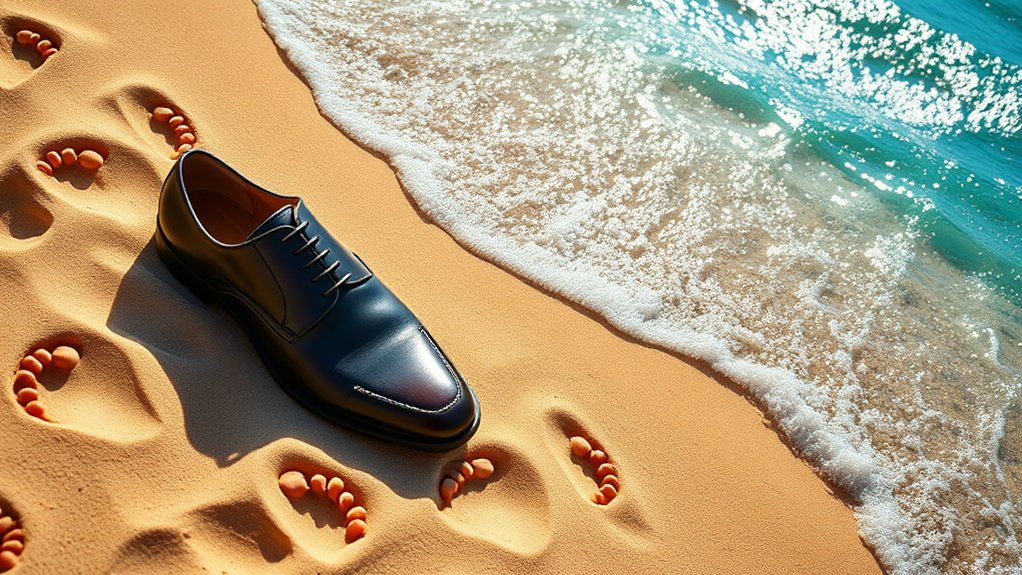
Can You Wear Shoes in Australia
Yes, you can definitely wear shoes in Australia—they’re essential for safety, comfort, and meeting social expectations across city streets, workplaces, and rural areas. Shoes protect you in medical settings, at formal events, and when exploring outdoor spots.
While barefoot or sandals are popular in casual, warm-weather settings and at the beach, sturdy footwear remains important in many places. If you want to understand more about when and why Australians choose shoes or go barefoot, there’s plenty to explore.
Key Takeaways
- Shoes are widely worn and necessary for safety, hygiene, and protection in cities, medical settings, and outdoor environments across Australia.
- No laws restrict shoe-wearing; footwear is essential for daily life, work, and formal social events in Australia.
- Casual settings often allow barefoot or sandal use, especially in warm weather, beaches, parks, and relaxed home environments.
- Formal occasions, workplaces, and public places with health rules typically require wearing shoes to meet social and safety expectations.
- Australian footwear choices vary by climate and activity, favoring sandals in summer, boots in winter, and versatile shoes during transitional seasons.
Can You Wear Shoes in Australia? The Quick Answer
Wondering if you can wear shoes in Australia? Absolutely, you can, and it’s not just common, it’s often necessary. Whether you’re navigating city streets or exploring the outback, shoes provide essential protection.
In medical settings, shoes are crucial for safety and hygiene, preventing injuries and infections. Law enforcement officers wear sturdy shoes or boots as part of their uniform to ensure mobility and protection during duty.
You won’t find any laws restricting shoe-wearing; in fact, shoes play a vital role in daily life and professional environments. So, if you’re concerned about cultural or legal restrictions, rest assured you’re free to wear shoes in Australia, and doing so is often the smarter choice for your safety and comfort.
When Australians Wear Shoes: Everyday and Special Occasions
How often do Australians wear shoes in their daily lives? While shoe norms vary, many Aussies embrace barefoot trends, especially in casual, warm-weather settings. You’ll notice that wearing shoes isn’t always mandatory, but they’re essential in certain contexts.
Australians often go barefoot in casual settings, but shoes remain essential for specific occasions and safety.
Here’s when you might wear shoes in Australia:
- At work, especially in offices or formal environments
- When attending special occasions like weddings or ceremonies
- In public places with health and safety regulations
- During outdoor activities requiring foot protection
Understanding these shoe norms helps you blend in comfortably. Australians balance barefoot freedom with practical shoe use, adapting to the occasion.
Common Types of Shoes Australians Wear
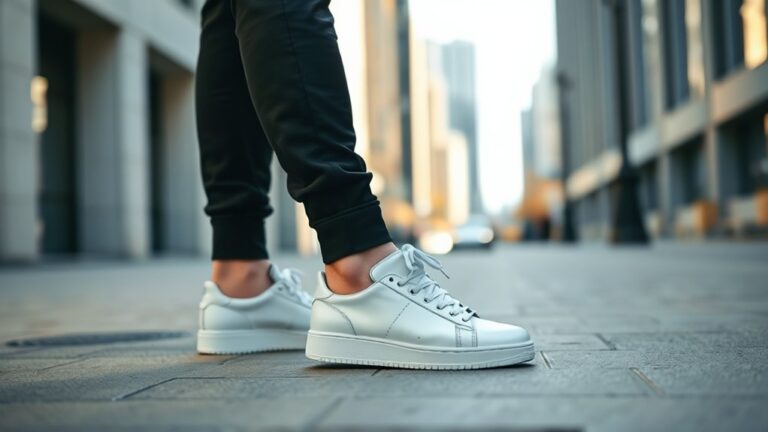
Now that you know when Australians typically wear shoes, it’s helpful to explore the styles you’ll commonly see. In casual settings, flip-flops and sneakers dominate, reflecting the laid-back ethos and footwear ethics rooted in comfort and practicality.
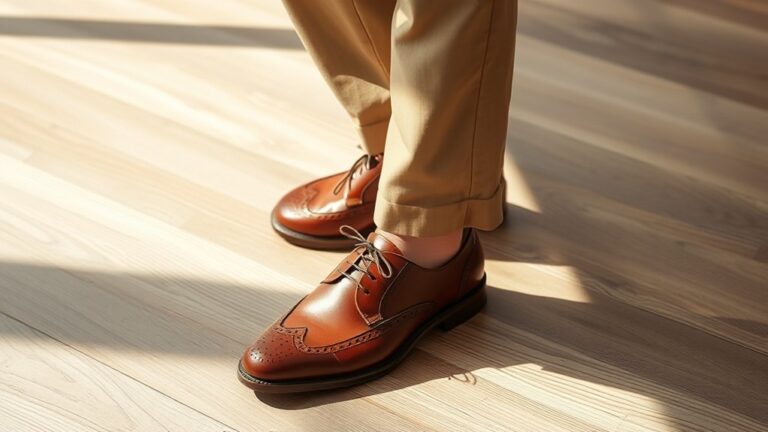
When heading to the office or formal events, Australians often switch to polished leather shoes or smart loafers, aligning with corporate dress standards that balance professionalism with a relaxed vibe. You’ll also notice boots, especially in rural or outdoor environments, prized for durability.
Women frequently opt for ballet flats or low heels during business hours, blending style with comfort. Whether you’re navigating city streets or the beach, the common types of Australian shoes reveal a culture that values functional, versatile footwear without compromising on style or social expectations.
How Australia’s Climate Shapes Footwear Choices
You’ll notice that Australia’s varied climate plays a big role in the shoes people choose, shifting with the seasons and locations. Whether you’re near the coast or inland, the weather influences styles, from breathable sandals to sturdy boots.
Plus, outdoor activities call for specific footwear designed to handle everything from beach strolls to rugged hikes.
Seasonal Weather Impact
Why does Australia’s diverse climate play such a pivotal role in your choice of footwear? Because the country’s seasons vary widely, shaping how you adapt your shoes throughout the year.
You might think climate stereotypes paint Australia as perpetually sunny, but urban footwear tells a different story. Rain, heat, and cool breezes all influence your options. For example:
- In summer, breathable sandals keep you cool during scorching days.
- Winter calls for insulated boots to handle chilly, damp conditions.
- Spring and autumn demand versatile sneakers that cope with unpredictable weather.
- Sudden rainstorms mean waterproof shoes become essential in cities.
Understanding these seasonal shifts helps you pick shoes that not only suit the weather but also align with your lifestyle, blending comfort and practicality effortlessly.
Coastal vs. Inland Styles
How does living by the coast versus deep inland in Australia influence your shoe choices? Coastal fashion often leans toward breathable, lightweight footwear like sandals and canvas shoes to handle humid sea breezes and sandy strolls.
You’ll find people favoring open designs that dry quickly and keep feet cool. Inland footwear, on the other hand, adapts to the harsher, drier climate. You’ll want sturdy, closed shoes that protect against dust, rocky terrain, and temperature swings.
Think durable leather boots or strong sneakers that offer support and resilience. Whether you’re embracing the relaxed, airy vibe of coastal fashion or the functional toughness of inland footwear, Australia’s diverse climate shapes your choices, ensuring comfort and practicality wherever you are.
Footwear for Outdoor Activities
When planning outdoor adventures in Australia, what kind of footwear should you choose to match the climate? Australia’s diverse weather demands adaptable choices that respect footwear ethics and barefoot etiquette. You want shoes that protect you but also suit the environment and cultural norms.
Consider these essentials:
- Breathable, moisture-wicking materials for hot, humid climates
- Durable, closed-toe shoes for rocky or bushy terrain
- Lightweight sandals when near water, balancing protection and comfort
- Awareness of barefoot etiquette in certain natural or sacred sites, where shoes might be discouraged
Shoes at Beaches, Parks, and Outdoor Spots
When you head to Australia’s beaches, you’ll notice flip-flops and bare feet are the go-to choices, perfect for sand and water.
In parks and outdoor spots, comfy sneakers or sandals work best to navigate trails and grassy areas safely. Knowing these footwear habits helps you blend in and stay comfortable during your adventures.
Beach Footwear Norms
Comfort plays a big role in choosing what footwear to wear at Australia’s beaches, parks, and outdoor spots. When you’re near the shoreline, beach etiquette encourages minimal footwear to keep sand out and avoid damaging natural habitats.
Urban footwear like sneakers or heavy shoes aren’t ideal here. Instead, consider these options:
- Flip-flops or sandals for easy removal and breathability
- Barefoot for a true beach feel and to respect local customs
- Water shoes if you plan on exploring rocky areas or tidal pools
- Lightweight slip-ons for quick transitions between sand and nearby cafes
Park Shoe Guidelines
How do you choose the right shoes for Australia’s parks and outdoor spots? First, consider park etiquette: many areas encourage wearing shoes to protect both yourself and the environment. Closed-toe shoes, like sturdy sneakers or hiking sandals, offer great protection from sharp objects, insects, and uneven terrain.
Barefoot safety is essential. While it might be tempting to kick off your shoes, doing so increases the risk of cuts or stings. In grassy or wooded parks, shoes shield you from hidden hazards like thorns or animal waste.
Plus, many parks have rules requiring footwear to maintain cleanliness and avoid damage. So, by choosing appropriate shoes, you respect park etiquette and ensure your safety while enjoying Australia’s beautiful outdoor spots comfortably and responsibly.
Are Shoes Required in Homes and Social Events?
Do you need to wear shoes inside Australian homes or at social events? Generally, shoe etiquette in Australia leans toward comfort and respect rather than strict rules. Many hosts prefer guests to remove their shoes when entering to keep floors clean and cozy. This can vary widely, reflecting cultural contrasts across regions and families.
In Australia, shoe etiquette favors comfort and respect, with many hosts preferring guests to remove shoes indoors.
To navigate this smoothly, consider these points:
- Always ask your host if shoes are expected or should be removed.
- Notice cues like shoe racks or bare feet inside the home.
- At formal social events, shoes are usually worn unless otherwise specified.
- Casual gatherings often embrace a relaxed approach, with barefoot or socked feet common.
Why Australians Often Go Barefoot or Wear Sandals
Why do so many Australians choose to go barefoot or slip on sandals whenever they can? Part of it comes down to the country’s warm climate and relaxed lifestyle, which encourages comfort and freedom.
When you embrace urban barefooting, you connect directly with your surroundings, feeling the textures of grass, sand, or pavement beneath your feet. Australians also follow a specific barefoot etiquette, knowing when it’s appropriate to go shoeless and when to put on sandals or shoes.
This practice isn’t just about comfort; it reflects a cultural attitude that values simplicity and ease. So, when you visit or live in Australia, you’ll notice that going barefoot or wearing sandals feels natural, practical, and socially accepted in many casual settings.
Where Shoes Might Be Uncomfortable or Inappropriate
Where might wearing shoes feel more like a burden than a benefit? In Australia, there are several settings where you might find shoes uncomfortable or even inappropriate. For example, many homes embrace barefoot etiquette, encouraging you to remove outdoor footwear to keep interiors clean and cozy.
In Australia, many homes encourage barefoot living to maintain cleanliness and comfort indoors.
Wearing shoes indoors can feel restrictive compared to the ease of going barefoot or in light slippers. Besides homes, certain outdoor situations also make shoes less practical.
Consider these scenarios where you might want to ditch your shoes:
- At the beach, where sand makes shoes cumbersome
- During a backyard BBQ, promoting a relaxed vibe
- In some yoga or meditation studios, respecting barefoot etiquette
- At certain outdoor festivals, where barefoot comfort beats shoes
In these cases, you’ll appreciate the freedom from shoes.
Frequently Asked Questions
What Are Popular Australian Shoe Brands?
Popular brands like R.M. Williams and Blundstone fit you like a glove, offering comfort footwear perfect for Aussie lifestyles.
You’ll love their durability and style, making them go-to choices for everyday wear and adventure.
How Do Australians Clean Sandy Shoes?
To remove sand, you’ll want to shake your shoes vigorously, then rinse them with fresh water.
For effective cleaning beach footwear, use a soft brush and mild soap to scrub away dirt, then air-dry completely.
Are There Traditional Indigenous Australian Footwear Styles?
Like stepping into Dreamtime stories, you’ll find traditional footwear rooted in indigenous designs. Often crafted from natural materials like bark and leaves, these shoes connect you to culture and country through every step you take on ancient paths.
Do Australians Wear Shoes at Sporting Events?
Yes, Australians wear shoes at sporting events, often choosing popular Australian shoe brands for comfort and style.
Afterward, you’ll want to clean sandy shoes carefully to keep them looking fresh and ready for your next game day.
How Do Shoe Sizes in Australia Compare Internationally?
Imagine stepping into a global shoe store. Australian sizes run about one number smaller than UK sizes but match US men’s sizes roughly.
When exploring shoe size comparisons, you’ll see international sizing varies like footprints in the sand.