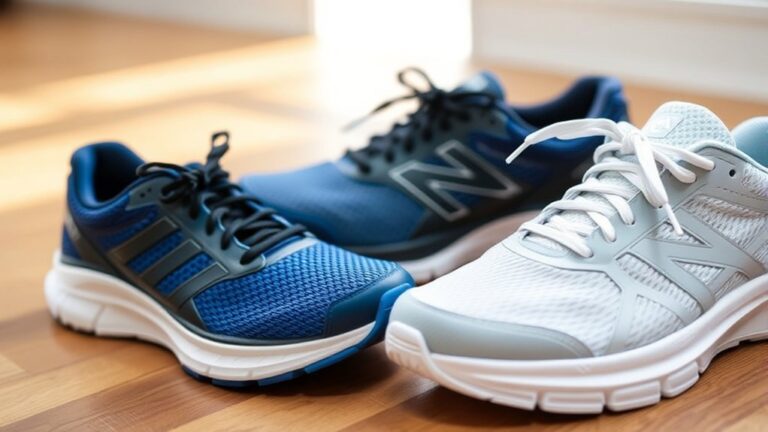
How to Disinfect Used Shoes
To disinfect used shoes, start by removing insoles and laces. Clean off visible dirt with a soft brush or damp cloth, using mild detergent if needed. This initial step ensures better disinfectant effectiveness.
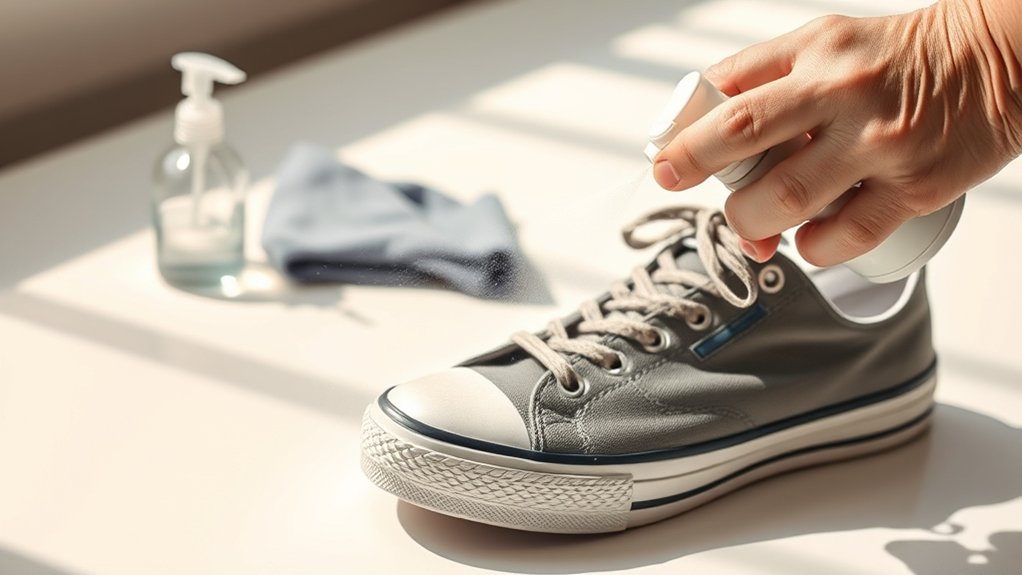
Apply a spray disinfectant carefully to avoid soaking and damaging materials or stitching. Afterward, dry shoes thoroughly in a well-ventilated, shaded area.
Store them properly to prevent mold and odors. Regular disinfection, especially after heavy use, protects your health and preserves shoe quality. You can explore ways to manage odors and tackle common issues next.
Key Takeaways
- Remove insoles and laces, then clean visible dirt with a soft brush or damp cloth before disinfecting.
- Use spray disinfectants instead of soaking to protect shoe materials and stitching from damage.
- Air-dry shoes indoors in shade using moisture-absorbent shoe trees to maintain shape and prevent mold.
- Apply natural odor neutralizers like baking soda or activated charcoal to control unpleasant smells.
- Establish a disinfection routine based on usage, disinfecting after heavy use or noticeable odors and stains.
Why Disinfect Used Shoes Before Wearing
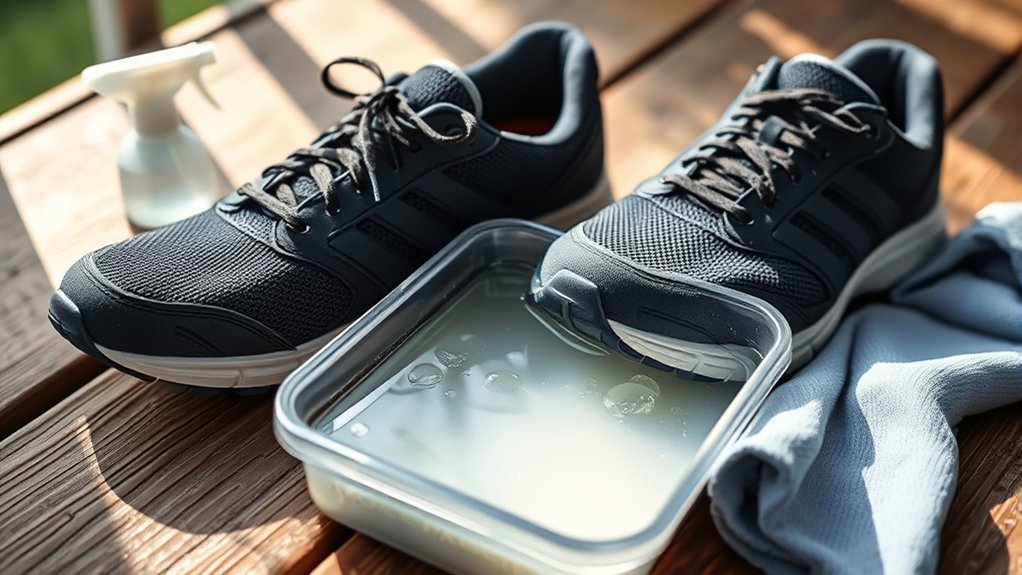
Why should you disinfect used shoes before wearing them? Ensuring shoe safety is essential to protect your feet from harmful bacteria, fungi, and potential allergens present in previously worn footwear.
Used shoes can harbor mold, which not only damages the material but also poses health risks like respiratory issues. Disinfecting effectively prevents mold growth and eliminates pathogens, maintaining the shoe’s integrity and your well-being.
Used shoes may contain mold that damages materials and harms health; disinfecting protects both your shoes and well-being.
By addressing contamination promptly, you reduce the risk of infections such as athlete’s foot or other skin irritations. Taking this precaution safeguards your health, extends the lifespan of the shoes, and ensures a comfortable, hygienic experience every time you wear them.
Prioritizing mold prevention and shoe safety is key before integrating used shoes into your daily routine.
How to Prepare Used Shoes for Disinfection
Before disinfecting your used shoes, start by inspecting them carefully for any damage or stubborn dirt. Remove the insoles and laces to ensure thorough cleaning and disinfection.
Next, clean off any visible dirt to prevent it from interfering with the disinfecting process.
Inspect Shoes Thoroughly
How can you guarantee your used shoes are ready for effective disinfection? Start by performing a thorough inspection of each pair. Carefully examine the exterior and interior surfaces for any visible dirt, stains, or damage.
This step is crucial to identify areas that may require special attention during cleaning. Additionally, conduct a worn out footwear assessment to determine if the shoes are still suitable for use.
Check the soles for excessive wear, seams for separation, and overall structural integrity. Shoes with significant deterioration might not respond well to disinfection and could harbor bacteria in hard-to-clean crevices.
Remove Insoles And Laces
When should you remove the insoles and laces from your used shoes during the disinfection process? You should perform insoles removal and laces handling immediately after inspecting the shoes. This step ensures thorough access to all shoe components and maximizes disinfection effectiveness.
Follow these key points for proper removal:
- Carefully pull out the insoles without bending or damaging them.
- Untie and remove laces completely from each shoe.
- Set insoles and laces aside in a clean container for separate cleaning.
- Inspect insoles and laces for any persistent odors or visible damage.
- Prepare insoles and laces for individual disinfection, as they require different treatment than the shoe body.
Removing insoles and laces early allows you to disinfect every part properly and prevents cross-contamination.
Clean Off Visible Dirt
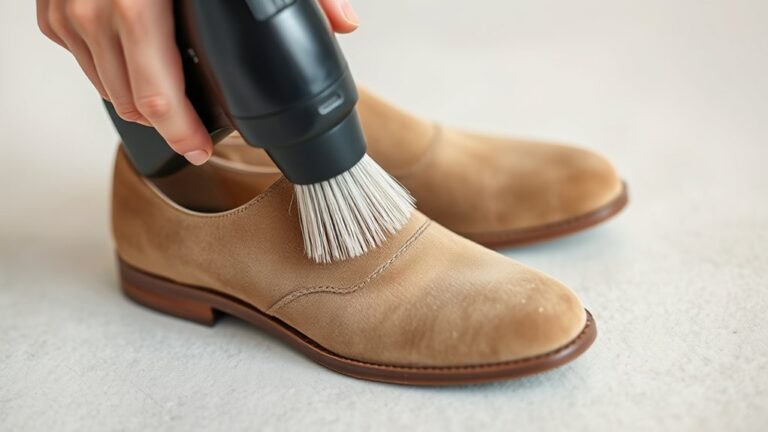
Once you’ve removed the insoles and laces for separate cleaning, focus on eliminating any visible dirt from the shoe surfaces. Use a soft brush or damp cloth to gently clean dirt and debris, ensuring you don’t damage the material.
For stubborn spots, apply a mild detergent for stain removal, then wipe clean with a damp cloth. This step is crucial, as clean dirt-free shoes allow disinfectants to work effectively.
| Feeling | Why It Matters |
|---|---|
| Relief | Removing dirt prevents damage |
| Confidence | Clean shoes are ready to disinfect |
| Satisfaction | Successful stain removal boosts trust |
| Safety | Clean surfaces reduce germs |
Effective Home Remedies for Disinfecting Used Shoes
Anyone looking to safely refresh used shoes can rely on several effective home remedies that eliminate bacteria, fungi, and odors. When selecting cleaning agents, always consider the shoe materials to avoid damage. Here are five practical home remedies you can use:
White vinegar spray: Mix equal parts vinegar and water; it disinfects and neutralizes odors.
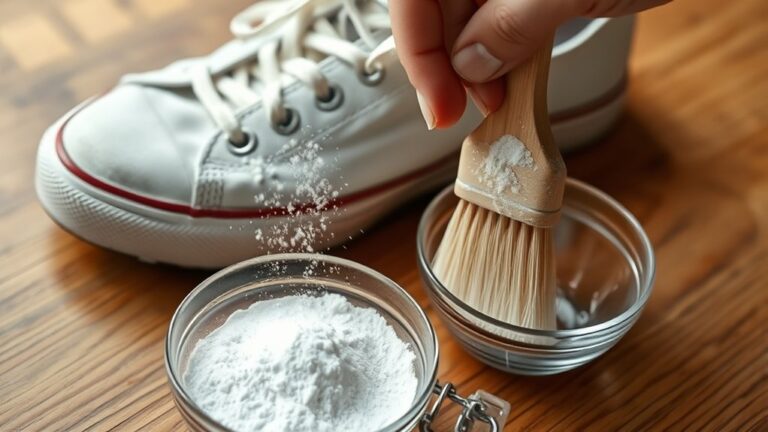
Baking soda: Sprinkle inside shoes to absorb moisture and kill bacteria overnight.
Hydrogen peroxide: Use a diluted solution for tough stains and microbial control.
Tea tree oil: Add a few drops to water as a natural antifungal spray.
Sunlight exposure: Place shoes in indirect sunlight to naturally disinfect and dry them.
These methods are safe, affordable, and effective for maintaining shoe hygiene at home.
How to Use Commercial Shoe Disinfectants Safely
While home remedies offer effective and affordable options for disinfecting used shoes, commercial shoe disinfectants provide specialized formulations designed for stronger antimicrobial action and convenience. When using these products, always read the label carefully, paying attention to recommended application methods and safety precautions.
Many commercial solvents contain potent chemicals that require proper handling to avoid skin irritation or respiratory issues. Ensure adequate ventilation safety by working in a well-ventilated area, preferably outdoors or near open windows, to minimize inhalation risks.
Wear gloves to protect your skin from direct contact with disinfectants. Avoid mixing different commercial solvents, as this can create hazardous fumes. By following these safety measures, you can effectively disinfect your shoes while protecting your health and maintaining the product’s efficacy.
Removing Odors From Used Shoes
To effectively remove odors from used shoes, you’ll want to start with natural odor neutralizers like baking soda or activated charcoal. Choosing the right deodorizers can eliminate lingering smells while maintaining shoe integrity.
Additionally, taking steps to prevent odor recurrence will keep your shoes fresh longer.
Natural Odor Neutralizers
How can you effectively eliminate odors from used shoes without relying on harsh chemicals? Using natural odor neutralizers allows you to respect shoe materials while employing gentle cleaning techniques. These methods are safe and often just as effective.
Try these natural options to refresh your shoes:
- Baking soda: Sprinkle inside to absorb moisture and odors overnight.
- Activated charcoal: Place small pouches in shoes to trap odors.
- White vinegar spray: Lightly mist and air-dry to neutralize bacteria.
- Dry tea bags: Insert to soak up unpleasant smells.
- Essential oils: Add a few drops on cotton balls placed inside for a fresh scent.
Effective Shoe Deodorizers
Natural odor neutralizers offer gentle solutions for freshening up used shoes, but sometimes you need more powerful methods to eliminate persistent smells. Effective shoe deodorizers often contain antimicrobial agents that target odor-causing bacteria directly.
When choosing a deodorizer, look for products specifically designed for footwear to ensure safety and effectiveness. Applying these deodorizers regularly can significantly reduce odor buildup.
Additionally, proper shoe storage plays a crucial role in maintaining freshness; store your shoes in a well-ventilated area using breathable fabrics to allow moisture to escape, preventing bacterial growth. Avoid airtight containers that trap humidity.
Preventing Odor Recurrence
Why do odors keep returning even after thorough cleaning? Odor sources like bacteria and fungi often penetrate deep into shoe materials, making them tough to eliminate completely. To prevent odor recurrence, you need a consistent approach that targets these hidden culprits.
Here’s what you can do:
- Choose shoes with breathable shoe materials to reduce moisture buildup.
- Dry shoes completely after each use to inhibit bacterial growth.
- Use antimicrobial sprays or powders designed for shoe interiors.
- Rotate your shoes to allow proper airing between wears.
- Regularly replace insoles, as they can trap odor sources over time.
Drying and Storing Used Shoes After Disinfecting
Where you dry and store your shoes after disinfecting can considerably impact their longevity and hygiene. Avoid direct sunlight and heat sources, especially for ostomy shoes, as they may cause waterproofing issues or material degradation. Instead, air-dry them in a well-ventilated area.
Once dry, store your shoes in a cool, dry place to prevent mold and odor buildup.
| Drying Method | Benefits | Precautions |
|---|---|---|
| Air-drying indoors | Prevents material damage | Requires good ventilation |
| Shade drying outdoors | Retains waterproofing | Avoids UV damage |
| Using shoe trees | Maintains shape | Use moisture-absorbent types |
| Avoiding heat sources | Preserves adhesives and seals | Prevents cracking or warping |
Proper drying and storage ensure your shoes stay fresh and functional longer.
How Often Should You Disinfect Your Used Shoes?
After properly drying and storing your shoes, maintaining their cleanliness over time is important to prevent bacteria and odor buildup. The disinfection frequency depends on how often you wear the shoes and the conditions they’re exposed to. For optimal reuse safety, establish a routine based on usage intensity and environment.
Maintaining shoe cleanliness regularly prevents bacteria buildup and odors, tailored to wear frequency and environmental conditions.
Consider disinfecting your shoes:
- After heavy outdoor use or exposure to dirt and moisture
- Before wearing shoes shared with others
- If you notice any unpleasant odors or visible stains
- After contact with potentially contaminated surfaces
- Regularly, if you have sensitive skin or weakened immunity
Fixing Common Problems When Disinfecting Your Shoes
How can you effectively tackle common issues that arise during shoe disinfection? First, avoid soaking shoes with delicate sole materials, like leather or foam, as excessive moisture can cause damage. Instead, opt for a spray disinfectant.
If you notice discoloration or stiffness, switch to a gentler solution. Protect shoe stitching by applying disinfectant carefully; harsh chemicals or over-saturation can weaken threads and cause unraveling.
For stubborn odors, remove insoles and disinfect them separately to prevent mold growth. Always air-dry shoes thoroughly in a well-ventilated area to avoid lingering moisture that could degrade materials or cause unpleasant smells.
Frequently Asked Questions
Can Disinfecting Shoes Damage Certain Materials?
Yes, disinfecting shoes can damage certain materials if you don’t consider disinfection chemistry and material compatibility.
Always choose disinfectants that suit your shoe’s fabric to prevent discoloration, weakening, or degradation during the cleaning process.
Are UV Shoe Sanitizers More Effective Than Sprays?
UV sanitizers vs sprays: UV sanitizers often provide thorough disinfection without chemicals, preserving material compatibility better.
Sprays can be effective but may damage sensitive materials, so you should choose based on your shoe’s material and sanitizing needs.
How Long Should Disinfectant Sit on Shoes Before Wiping?
You don’t want to rush the “contact time” magic. Let disinfectant sit for at least 5 minutes before wiping.
This “surface dwell” ensures germs meet their match, making your shoes safely clean without guesswork or shortcuts.
Can Disinfecting Shoes Prevent Fungal Infections Completely?
You can’t guarantee complete prevention of fungal infections through disinfection alone, as disinfection efficacy varies by product and shoe material compatibility.
Combining proper hygiene, regular cleaning, and suitable disinfectants maximizes protection effectively.
Is It Safe to Disinfect Shoes With Bleach Indoors?
You shouldn’t disinfect shoes with bleach indoors due to fumes and damage risks to footwear materials. Consider disinfection ethics. Protect your health and shoe integrity by opting for safer, well-ventilated methods instead.
Conclusion
Disinfecting your used shoes is essential to keep your feet healthy and odor-free. By preparing them properly and using effective home remedies or commercial disinfectants, you can eliminate harmful bacteria and fungi.
It’s also important to dry them thoroughly to prevent moisture buildup, which can lead to unpleasant smells and infections. Taking these steps ensures your shoes are safe and comfortable to wear.
Don’t overlook regular disinfection—even in this digital age, treating your shoes like a cherished artifact from the Renaissance helps maintain their condition and your well-being. Stay consistent, and you’ll enjoy fresh, clean shoes every time you step out.
Remember, proper disinfection of used shoes is key to maintaining foot health and extending the life of your footwear.