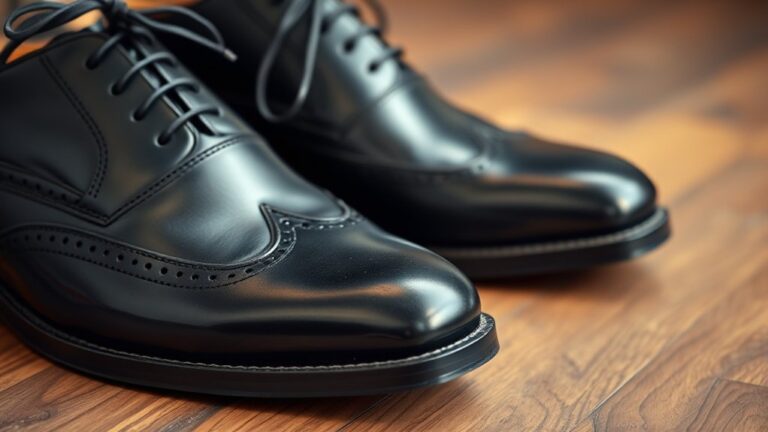

Who Wrote Blue Suede Shoes
You might be surprised to learn that Carl Perkins wrote “Blue Suede Shoes” in 1955, crafting a rebellious anthem that merged country, blues, and early rock sounds.
His lyrics emphasized personal style and respect through the symbol of blue suede shoes, reflecting youth defiance during cultural shifts.
This song’s raw energy helped shape rock and roll’s foundation.
If you explore further, you’ll discover how Elvis Presley’s version expanded its reach and cultural impact.
Key Takeaways
- Carl Perkins wrote “Blue Suede Shoes” in 1955, capturing a rebellious spirit of the era.
- The song blends country, blues, and early rock to create a pioneering rockabilly sound.
- Perkins’ lyrics emphasize individuality and respect through the symbolism of blue suede shoes.
- “Blue Suede Shoes” originated from the early rockabilly scene with roots in rhythm and blues.
- The creation was inspired by a patron’s warning to protect his valuable blue suede shoes.
Who Wrote “Blue Suede Shoes”? The Story Behind the Song

Who exactly wrote “Blue Suede Shoes,” and how did this iconic song come to define an era? You should know that Carl Perkins, a pioneering rockabilly artist, penned this track in 1955. His lyrics captured a raw, rebellious spirit that resonated deeply during a time overshadowed by emerging tech distractions and growing consumerism.
Unlike the later disco nostalgia that celebrated dance and flamboyance, Perkins’ song emphasized personal style and respect. The pristine blue suede shoes symbolized individuality amidst conformity. By blending country, blues, and early rock, Perkins crafted a sound that felt urgent and relatable.
When you dig into the song’s backstory, you see it reflects a cultural crossroads, where youth asserted identity despite societal shifts and the distraction of new technologies altering daily life.
Elvis Presley’s Role in Making “Blue Suede Shoes” Famous
How did Elvis Presley transform “Blue Suede Shoes” from a regional hit into a nationwide sensation? When you consider Elvis’s emerging star power in the mid-1950s, his rendition brought the song to a much wider audience.
You see, Elvis didn’t just cover the track; he infused it with his signature charisma and energy, amplifying its appeal beyond the original rockabilly circle. Although some might go on an unrelated topic or random tangent about his overall career, focusing on this moment reveals how his version propelled “Blue Suede Shoes” into the mainstream.
How Did “Blue Suede Shoes” Become a Rock and Roll Anthem?
You’ll want to trace how “Blue Suede Shoes” emerged from its roots in rhythm and blues to become a defining track in rock and roll history. Consider how its infectious rhythm and rebellious spirit shaped the genre’s sound and attitude.
Then, explore how the song’s cultural resonance extended beyond music, cementing its legacy as an anthem for youthful expression.
Origins of The Song
What sparked the transformation of “Blue Suede Shoes” from a simple phrase into a defining rock and roll anthem? You’ll find it rooted in Carl Perkins’ keen observation of cultural shifts during the early 1950s.
As future technology began reshaping communication and entertainment, music became more accessible and dynamic, allowing songs like this to spread rapidly. Perkins captured the spirit of youthful rebellion and fashion, much like how culinary trends evolve to reflect societal tastes. His lyrics emphasized personal style and identity, symbolized by the iconic shoes.
Impact on Rock Music
Carl Perkins didn’t just capture a moment in time with “Blue Suede Shoes.” He helped reshape the sound and attitude of rock and roll itself. When you listen closely, the quirky rhythms break from traditional blues patterns, injecting a fresh, danceable energy that hooks you instantly.
This distinct rhythm structure became a template for countless artists who followed. The song’s unintended irony lies in its simple warning about protecting shoes, which became a metaphor for youthful rebellion and self-expression.
As you explore its impact, you see how Perkins’ blend of country, blues, and rockabilly created an anthem that unified diverse audiences. “Blue Suede Shoes” wasn’t just a hit; it was a blueprint that defined the rebellious spirit and sonic innovation at rock’s core.
Cultural Influence and Legacy
How did “Blue Suede Shoes” transcend its origins to become a defining anthem of rock and roll? You can trace its cultural influence through several key factors:
- Breaking Music Censorship: At a time when many songs faced censorship, “Blue Suede Shoes” pushed boundaries with its rebellious lyrics, resonating with youth craving freedom and pushing against conservative norms.
- Shaping Fashion Trends: The song popularized blue suede shoes as a symbol of youthful defiance, influencing fashion beyond music circles and embedding itself in pop culture.
- Enduring Legacy: Its catchy rhythm and relatable themes ensured it remained a staple in rock and roll, inspiring countless artists and maintaining its presence in media and performances decades later.
The Impact of “Blue Suede Shoes” on Early Rock Music
Why did “Blue Suede Shoes” become a defining anthem in early rock music? You can trace its impact to how it captured the evolution of youth culture, blending rhythm and blues with a rebellious spirit.
This song wasn’t just about catchy beats; it symbolized a new era where fashion symbolism played a crucial role. The blue suede shoes themselves represented status and individualism, making the song a cultural statement beyond music.
As you listen, you’ll notice how its energetic rhythm and straightforward lyrics influenced countless artists, shaping rock’s sound and attitude. The track’s success highlighted the convergence of style and sound, marking a pivotal moment that propelled early rock music into mainstream consciousness with a bold, fresh identity.
Why “Blue Suede Shoes” Still Resonates With Fans Today
What keeps “Blue Suede Shoes” alive in the hearts of fans across generations? It’s the blend of timeless energy and relatable themes that continue to engage you. This subtopic irrelevant to its origin focuses on how the song’s spirit transcends time through:
The timeless energy and relatable themes of “Blue Suede Shoes” keep it alive across generations.
1. Cultural Impact
You see the song as an anthem of self-expression and rebellion, resonating with youth across decades.
2. Musical Simplicity
Its straightforward rhythm and catchy lyrics make it easily memorable and enjoyable, inviting continuous listenership.
3. Emotional Connection
The two word discussion ideas of style and identity embedded in the lyrics still speak to your personal experiences, making the song relevant.
Surprising Facts About “Blue Suede Shoes” Creation
Did you know that the creation of “Blue Suede Shoes” was sparked by a simple warning rather than a grand musical inspiration? Carl Perkins reportedly heard a patron cautioning others to “take care of your blue suede shoes,” which planted the lyrical seed.
Interestingly, the song emerged amid the rise of beat poetry and surf culture, both of which emphasized youthful rebellion and style consciousness, influencing its energetic rhythm and vivid imagery.
| Aspect | Detail |
|---|---|
| Inspiration | Warning about blue suede shoes |
| Cultural Influence | Beat poetry’s rebellious tone |
| Surf Culture Impact | Emphasis on style and youth |
| Songwriter | Carl Perkins |
| Creation Context | Early rockabilly scene |
You’ll see how these elements combined to craft a song both innovative and culturally resonant.
The Lasting Legacy of “Blue Suede Shoes” in Music History
You can’t overlook how “Blue Suede Shoes” shaped the cultural landscape for decades, becoming a symbol of rock’s rebellious spirit. Its raw energy and style influenced countless musicians, redefining what rock music could be.
Even today, the song’s enduring popularity shines through countless covers that keep its spirit alive across generations.
Cultural Impact Over Decades
How has “Blue Suede Shoes” managed to maintain its relevance across generations? You’ll find its cultural impact deeply woven into music history, transcending time through various channels.
First, it sparked iconic dance trends, inspiring energetic moves that captured youthful rebellion. Second, it influenced fashion styles, with the titular “blue suede shoes” becoming a symbol of coolness and defiance, echoed in wardrobes worldwide.
Third, it embedded itself in media, appearing in films and commercials, continuously introducing the song to new audiences. These factors create a feedback loop where music, dance, and fashion intersect, keeping “Blue Suede Shoes” alive in popular culture.
Influence On Rock Music
Although “Blue Suede Shoes” emerged during the early days of rock and roll, its influence has rippled through decades of music, shaping the genre’s development in profound ways. When you analyze its impact, you realize it set a new standard for merging rhythm, blues, and country elements, an approach many artists later embraced.
While some might sidetrack into unrelated topics or offer random viewpoints, the song’s role in defining rock’s rebellious spirit and performance style remains clear. It introduced a swagger and confidence that inspired stage presence and songwriting techniques.
You can trace echoes of its energy in punk, rockabilly, and even modern rock, proving its foundational place in music history. Understanding this helps you appreciate how “Blue Suede Shoes” transcended its era to influence rock’s evolution.
Enduring Popularity And Covers
Since its release, “Blue Suede Shoes” has maintained a remarkable presence in music culture, continually resurfacing through countless covers and reinterpretations by artists across genres. You’ll notice its enduring appeal lies in its simple yet effective music theory foundation, a classic 12-bar blues progression that invites creative variations.
The song’s iconic album artwork also cemented its cultural footprint, making it instantly recognizable. Here’s why it remains relevant:
- Artists from rock, country, and pop reinterpret the rhythm and melody, showcasing its versatility.
- Music theory enthusiasts analyze its structure, appreciating the balance between repetition and innovation.
- The album artwork continues to inspire visual homage, linking new covers to the original’s legacy.
This lasting legacy demonstrates how “Blue Suede Shoes” transcends time and style.
Frequently Asked Questions
What Type of Shoes Inspired the Title “Blue Suede Shoes”?
You’ll find the title “blue suede shoes” inspired by a two word idea: stylish footwear. This two word idea highlights the unique material and color, emphasizing the cultural significance and personal pride associated with these shoes.
Were There Any Legal Disputes Over the Song’s Royalties?
You’ll find that while the song enjoyed huge success, there was a royalties controversy involving music rights. Legal disputes arose as parties debated ownership, highlighting complexities in managing rights for such iconic tracks in that era.
How Long Did It Take to Write and Record the Song?
You know what they say: “Time is money.” The composition timeline was swift, just a few hours, while the recording details reveal a single, focused session, capturing raw energy without overcomplicating the song’s creation process.
Did Carl Perkins Perform “Blue Suede Shoes” Live Often?
You’ll find that Carl Perkins performed “Blue Suede Shoes” live often, delivering lively performances packed with energy. Studio anecdotes reveal how these live shows amplified the song’s raw, rockabilly spirit and connected deeply with audiences.
What Instruments Were Used in the Original Recording?
You might expect a simple setup, yet the instruments used in the recording studio blend electric guitar, upright bass, drums, and piano. This combination crafts a raw, rhythmic sound that defined rockabilly’s energetic, rebellious spirit.
Conclusion
You might be surprised to learn that “Blue Suede Shoes” was written by Carl Perkins, not Elvis Presley, yet Elvis’s version helped catapult it to fame. This song was among the first rock and roll records to sell over a million copies, marking a significant milestone in music history.
Understanding this highlights how Perkins’s songwriting and Elvis’s influence combined to create a timeless anthem. The collaboration of their talents still resonates deeply with fans today.
In conclusion, knowing who wrote Blue Suede Shoes adds depth to the song’s legacy and appreciation.