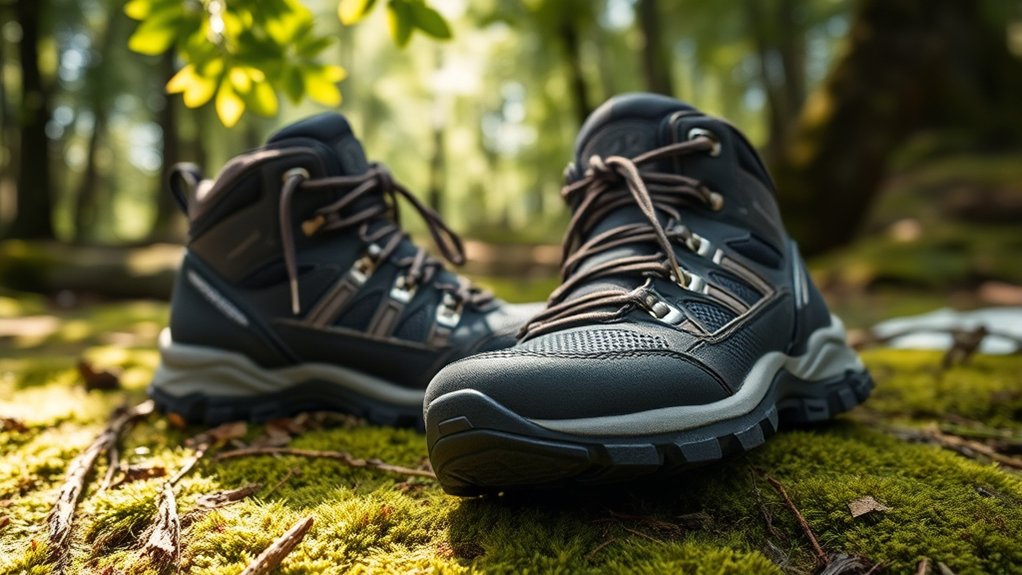
What to Look for Hiking Shoes Features
When choosing hiking shoes, you want a balance between durability and weight to protect your feet without tiring you out.
Hiking shoes should have soles with deep, multidirectional lugs that shed mud and provide grip on wet or uneven terrain.
Consider midsole rigidity and outsole compounds for support and abrasion resistance.
Waterproof yet breathable materials keep your feet dry and comfortable.
Don’t overlook ankle support for stability on rough trails.
Understanding these features will help you pick the best shoe for every adventure.
Key Takeaways
- Choose hiking shoes balancing durability and weight to ensure protection without causing excessive fatigue.
- Opt for soles with deep, multidirectional lugs and strong outsoles for optimal traction and wear resistance.
- Select midsoles offering a balance of rigidity and flexibility for impact absorption and foot support.
- Match shoe features to trail type, prioritizing aggressive soles for rugged terrain and lightweight cushioning for smooth paths.
- Look for waterproof, breathable membranes and sturdy ankle support to maintain comfort and stability on varied trails.
Key Features of Hiking Shoes You Need to Know
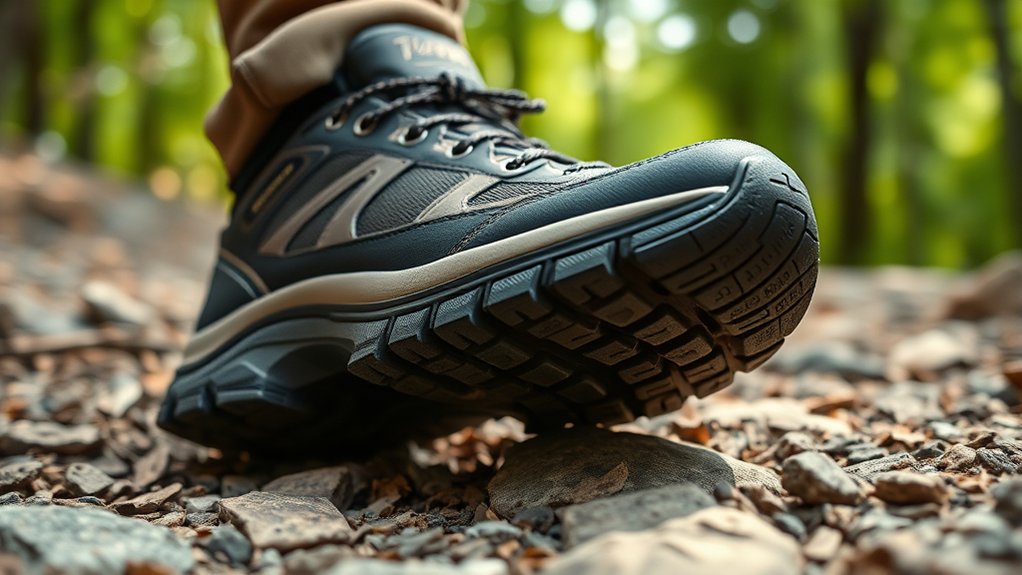
What makes a hiking shoe truly effective? You need to balance durability vs weight carefully. Heavier shoes often offer more protection and last longer, but they can tire your legs faster.
Lighter shoes boost agility and reduce fatigue but might sacrifice some toughness. Pay close attention to sole tread patterns. They’re indispensable for grip and stability on varied terrain.
You want deep, multidirectional lugs that shed mud easily, enhancing traction without adding bulk. Also, consider materials that resist abrasion yet stay breathable, so your feet stay comfortable and dry.
How Sole Design Affects Traction and Performance
How does the sole design influence your hiking experience? The sole design directly impacts traction and overall performance. Traction patterns and lug arrangement control grip on wet surfaces and mud shedding, while tread depth enhances stability over uneven terrain.
Midsole rigidity balances flexibility vs support, affecting flex point behavior and impact absorption. Outsole compounds determine abrasion resistance and wear patterns, ensuring durability. Stiffness and rock plate interaction protect your feet during climbing, while cone angle design improves heel braking and mud clearance.
Proper sole design offers stability during both climbing and traversing performance, letting you move confidently on varied trails. Understanding these elements helps you choose shoes that provide optimal support, grip, and comfort, enhancing your hiking efficiency and safety.
Choosing Hiking Shoes for Different Trail Types
Selecting the right hiking shoes depends heavily on the type of trail you plan to tackle. For rugged, uneven terrain, opt for shoes with aggressive soles and sturdy support to maximize trail comfort and stability.
On well-maintained paths, lightweight shoes with good cushioning will suffice, prioritizing breathability and moisture management to keep your feet dry and comfortable. When hiking wet or muddy trails, focus on shoes that offer excellent grip and quick-drying materials to prevent discomfort.
Consider these key factors based on trail type:
- Rugged trails: enhanced traction, reinforced toe caps, firm ankle support
- Smooth trails: lightweight design, ample cushioning, superior moisture management
- Wet trails: slip-resistant soles, quick-dry uppers, secure fit for stability
Choose accordingly to ensure optimal performance and trail comfort.
Picking Waterproof and Breathable Hiking Shoes
Why compromise between staying dry and keeping your feet comfortable when you can have both? When picking waterproof and breathable hiking shoes, focus on materials that balance these features effectively. Waterproof breathability means the shoe repels water from outside but allows sweat vapor to escape, preventing soggy, uncomfortable feet.
Look for membranes like Gore-Tex or eVent, known for this dual function. Consider your trail adaptation needs. If you tackle wet, muddy terrain, prioritize superior waterproofing. For drier, warmer paths, prioritize breathability to avoid overheating.
Also, check the shoe’s construction; sealed seams and protective overlays enhance waterproofing without sacrificing airflow. By choosing hiking shoes with the right waterproof breathability balance, you ensure all-day comfort and protection regardless of trail conditions.
Why Ankle Support Matters for Hiking Shoe Stability
Balancing waterproof and breathable features protects your feet from moisture, but stability on uneven terrain depends heavily on ankle support. When hiking, your ankles absorb a lot of stress; without proper support, you risk sprains or fatigue. Good ankle support enhances trail stability, allowing you to navigate rocky or slippery paths confidently.
Look for hiking shoes with a durability design that reinforces the ankle area without sacrificing comfort or moisture management. This balance helps keep your feet dry and your steps steady.
Key benefits of strong ankle support include:
- Preventing ankle rolls and injuries on rugged trails
- Enhancing overall balance and control during climbs
- Supporting long-term durability for frequent hikes
Prioritizing ankle support ensures your hiking shoes offer both protection and stability mile after mile.
Frequently Asked Questions
How Often Should Hiking Shoes Be Replaced?
You should replace your hiking shoes every 300 to 500 miles, depending on wear duration and terrain. Monitor sole wear and cushioning; frequent use on rough trails shortens replacement frequency.
Don’t wait for discomfort or damage.
Can Hiking Shoes Be Used for Running?
Running in hiking shoes is like forcing a square peg into a round hole; their durability suits rugged terrain. However, limited running compatibility means you’ll sacrifice comfort and speed compared to specialized running shoes designed for impact and flexibility.
How Do I Break in New Hiking Shoes?
You start your break-in routine by wearing new hiking shoes for short walks, gradually increasing time. Use scent control sprays to prevent odor buildup, ensuring comfort and hygiene as the shoes mold perfectly to your feet.
Are Hiking Shoes Suitable for All Weather Conditions?
Hiking shoes aren’t suitable for all weather conditions unless they offer excellent weather resistance and traction performance.
You’ll need waterproof materials and aggressive soles to handle wet, slippery, or icy terrain safely and comfortably.
What Are the Best Care Tips for Hiking Shoes?
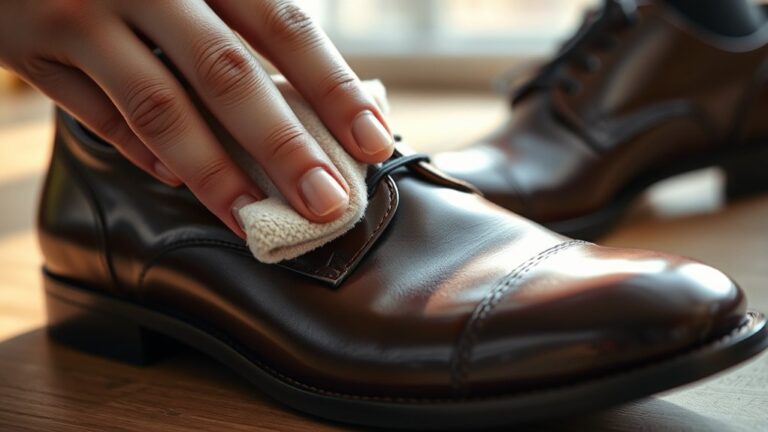
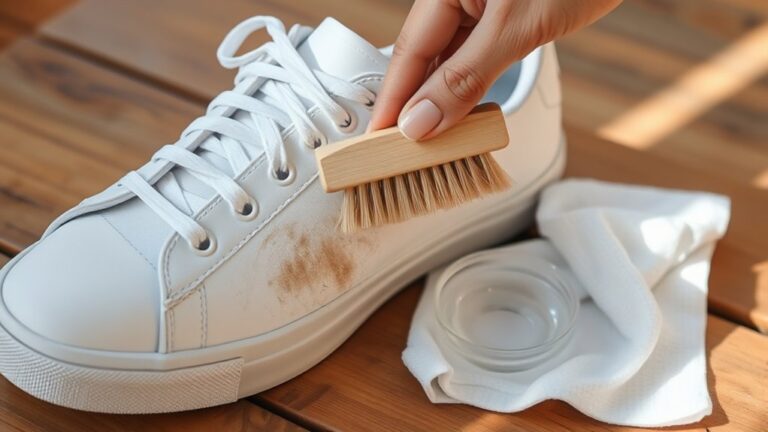
Treat your hiking shoes like faithful steeds; follow a maintenance checklist: clean off dirt, air them out, apply waterproofing, and store them properly.
These care tips guarantee durability, comfort, and peak performance on every trail.
Conclusion
When choosing hiking shoes, don’t overlook how sole design truly impacts your grip and stability on varied trails. You might think waterproofing always means less breathability, but modern materials prove you can have both. Prioritize ankle support to prevent injuries, especially on rugged terrain.
By understanding these features in detail, you’ll pick shoes that enhance your performance and comfort, making every hike safer and more enjoyable. Trust the tech—it’s designed with your trail needs in mind.
Ultimately, knowing what to look for hiking shoes features will help you select the perfect pair for your outdoor adventures.