How to Lace Running Shoes
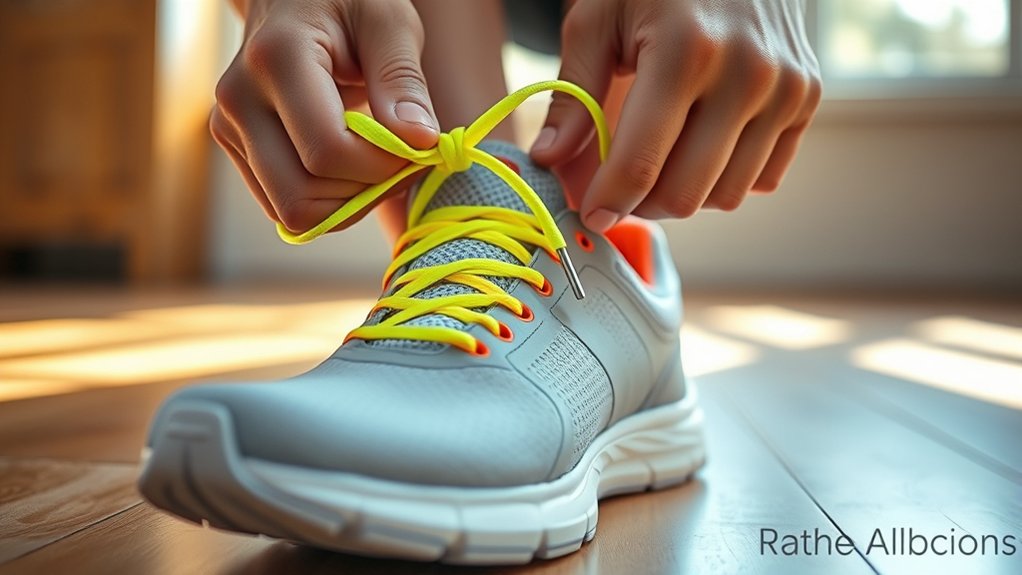
To lace your running shoes effectively, start by threading the laces straight across the bottom eyelets, ensuring equal length on both sides. This basic step is crucial for a comfortable fit and proper support during your run.
Crisscross the laces firmly but avoid tight spots that cause pressure or restrict blood flow. Use the top eyelets to create a locking loop that secures your heel, preventing slip.
Finish with a double knot for lasting tension during runs. Mastering this foundation elevates comfort and performance—keep exploring to unlock techniques tailored for your feet and pace.
Key Takeaways
- Start by threading laces straight across the bottom eyelets, ensuring equal length on both sides for balanced lacing.
- Crisscross the laces through opposite eyelets moving upward, pulling firmly but avoiding excessive tightness to prevent pressure points.
- Use the top eyelets to create a locking loop that secures the heel and reduces heel slip during running.
- Tie a double knot at the end to maintain lace tension and prevent the laces from coming undone mid-run.
- Adjust lacing patterns or skip eyelets to relieve pressure points, accommodate foot shape, or address injuries for optimal comfort.
Why Proper Lacing Matters for Running Comfort and Performance
Why does proper lacing make such a difference in your running experience? It directly impacts comfort, support, and injury prevention. When your shoes are laced correctly, you avoid hotspots, blisters, and unnecessary foot movement inside the shoe.
Many runners get distracted by unrelated topics like shoe brand hype or trendy gear, which leads to offtrack discussion and overlooks a pivotal factor: how your shoes fit and feel. Proper lacing ensures your foot stays secure without restricting blood flow or causing pressure points.
This means better energy transfer, improved stability, and ultimately enhanced performance. Don’t underestimate lacing. It’s the foundation of your running setup. Mastering it empowers you to run longer, stronger, and with confidence, eliminating avoidable distractions and discomfort.
How to Lace Your Running Shoes: A Step-by-Step Guide
You’ll want to start by choosing the right lace type and length to match your shoe and running style. Next, follow a clear, step-by-step lacing technique to ensure a secure, comfortable fit that supports your foot.
Mastering this process will boost your running performance and prevent common discomforts.
Choosing The Right Lace
Selecting the right laces is essential for ensuring your running shoes fit securely and comfortably throughout your run. When choosing laces, consider durability and elasticity—two word discussion ideas that directly impact performance. Durable laces resist fraying, while elastic ones offer flexibility, preventing tight spots or pressure points.
Also, pay attention to lacing aesthetics; the color and texture of your laces can complement your shoes and personal style, boosting confidence before you even hit the pavement. Length matters too—too long, and they may come undone; too short, and you’ll struggle to tie properly.
Step-By-Step Lacing Technique
How exactly do you lace your running shoes to guarantee a snug, comfortable fit that supports every stride? Understanding the lacing history reveals the evolution from simple cords to advanced lace material engineered for durability and flexibility.
Follow this step-by-step lacing technique to maximize comfort and performance:
- Start by threading the lace material straight across the bottom eyelets, ensuring equal length on both sides.
- Crisscross the laces, threading each end through the opposite eyelet, moving upward.
- Pull the laces firmly but not too tight to avoid pressure points.
- Use the top eyelets for a locking loop to secure the heel and prevent slipping.
- Tie a double knot to maintain tension during runs.
Mastering this technique ensures your shoes fit perfectly, enhancing every run.
Lacing Techniques to Fix Heel Slip and Pressure Points
Why does your heel slip or where exactly do those pressure points hurt? Identifying this helps you apply the right lacing technique to secure your foot and relieve discomfort. For heel slip, try the “heel lock” lacing to lock your heel in place.
If pressure points trouble you, adjust lacing tension or skip problematic eyelets.
| Problem | Cause | Lacing Solution |
|---|---|---|
| Heel Slip | Loose heel fit | Heel lock lacing |
| Pressure Points | Tight or uneven lacing | Skip eyelets, adjust tension |
| Toe Discomfort | Front tightness | Loosen toe laces |
Use these methods to optimize fit, prevent heel slip, and eliminate pressure points, so you can run comfortably and confidently every time.
How to Adjust Lacing for Different Foot Shapes and Injuries
Adjusting lacing techniques goes beyond fixing heel slip or pressure points. It also plays an important role in accommodating different foot shapes and managing injuries. You can tailor your lacing to assure comfort and support, especially if you have wide feet or need extra space in the toe box. Here’s how to adjust:
- For wide foot width, skip eyelets or use parallel lacing to reduce tightness.
- Create a lace lock or runner’s tie to stabilize the heel and prevent slipping.
- Use gap lacing to relieve pressure on bunions or sensitive areas.
- Loosen the toe box lacing for swollen feet or toe injuries.
- Adjust tension evenly to avoid aggravating plantar fasciitis or Achilles tendonitis.
Tips to Keep Your Running Shoe Laces Secure on Long Runs
When was the last time your shoelaces came undone mid-run and disrupted your rhythm? To keep your laces secure on long runs, focus on proper knot techniques and lace tension. Double knots or runner’s knots improve grip without sacrificing comfort.
Also, consider your lacing aesthetics and fashion compatibility. Choose laces that complement your shoes and outfit while performing well.
| Tip | Benefit |
|---|---|
| Use double knots | Prevents loosening |
| Try runner’s knot | Locks heel, reduces slippage |
| Maintain even tension | Avoids pressure points |
| Choose durable laces | Lasts longer, stays tight |
| Match lacing aesthetics | Enhances fashion compatibility |
With these tips, your laces stay put and your style stays sharp, letting you focus fully on your run.
When to Re-Lace Your Running Shoes (And How to Do It Right)
Keeping your laces secure is only part of maintaining your running shoes’ performance. You should re-lace your shoes when you notice wear in the lace material, inconsistent tension, or discomfort during runs. Changing knot styles can also improve fit and prevent slippage.
Here’s when and how to re-lace your shoes right:
- Replace frayed or weakened lace material promptly to avoid breaks mid-run.
- Adjust lacing patterns if you experience pressure points or numbness.
- Experiment with knot styles like the runner’s loop or double knot for better security.
- Re-lace after washing or if your shoes feel loose despite tight laces.
- Ensure even tension from bottom to top to maximize comfort and support.
Stay proactive about re-lacing to keep every run smooth and injury-free.
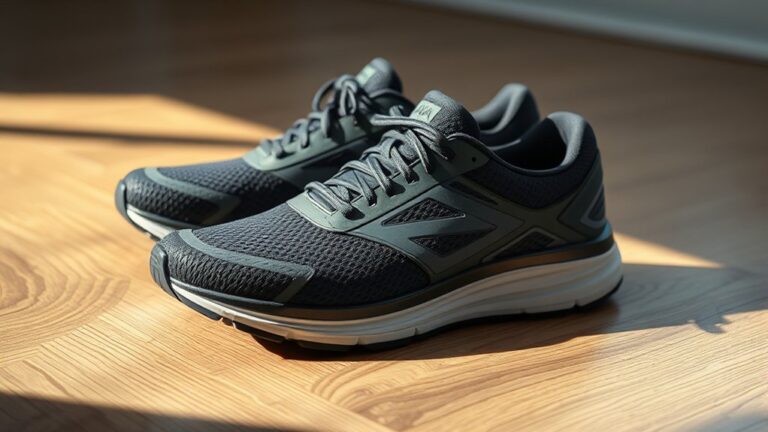
Picking the Best Running Shoes That Work With Your Lacing
Why does the compatibility between your running shoes and lacing technique matter? Because the right combination ensures optimal shoe fit, comfort, and performance.
When picking running shoes, prioritize models with customizable lacing systems that accommodate your preferred technique. This flexibility allows you to fine-tune tension, preventing issues like heel slippage or pressure points.
Also, consider how the shoe’s arch support interacts with your lacing style. Proper lacing can enhance arch stability, reducing fatigue and injury risk.
Don’t settle for shoes that restrict your lacing options; instead, choose ones designed with multiple eyelets or innovative lacing features. By selecting shoes that work seamlessly with your lacing method, you’ll experience improved support, better fit, and greater confidence on every run.
Frequently Asked Questions
Can Different Lace Materials Affect Running Shoe Performance?
You know what they say: the devil’s in the details. Different lace materials affect comfort and support, so you should choose wisely.
Prioritize lace material durability to ensure your shoes perform reliably, mile after mile.
How Do Lacing Styles Impact Shoe Durability?
Durability focused lacing reduces material wearability by distributing tension evenly, preventing stress points. You’ll extend your shoe’s lifespan by choosing lacing styles that minimize friction and pressure, ensuring your investment stays reliable through countless runs.
Are There Eco-Friendly Options for Running Shoe Laces?
You can choose eco-friendly laces crafted from recycled materials, weaving sustainability into every step. These durable, earth-conscious options let you run lighter on the planet while maintaining strong support and style. Make the switch today!
How to Clean and Maintain Running Shoe Laces?
You should soak your laces in warm, soapy water, gently scrub with a soft brush, then air dry. Incorporate these cleaning tips into your maintenance routines regularly to keep them fresh, durable, and performing at their best.
Can Improper Lacing Cause Long-Term Foot Problems?
Yes, improper lacing can cause long-term foot problems by creating uneven pressure, restricting blood flow, and causing misalignment.
You should lace your shoes properly to protect your feet and enhance comfort and performance consistently.