What Are Barefoot Shoes
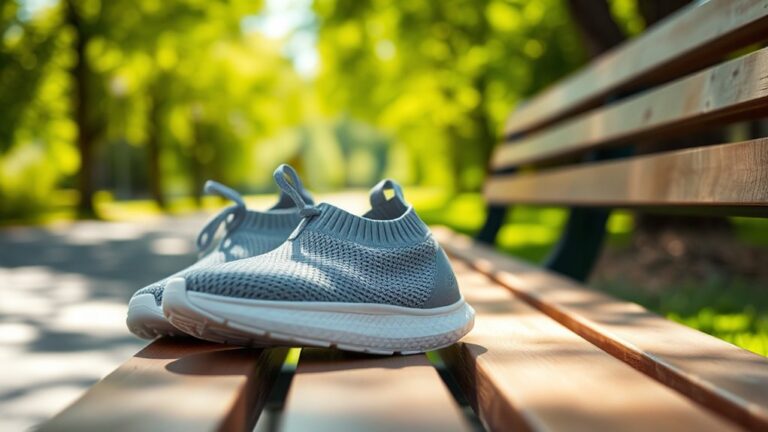
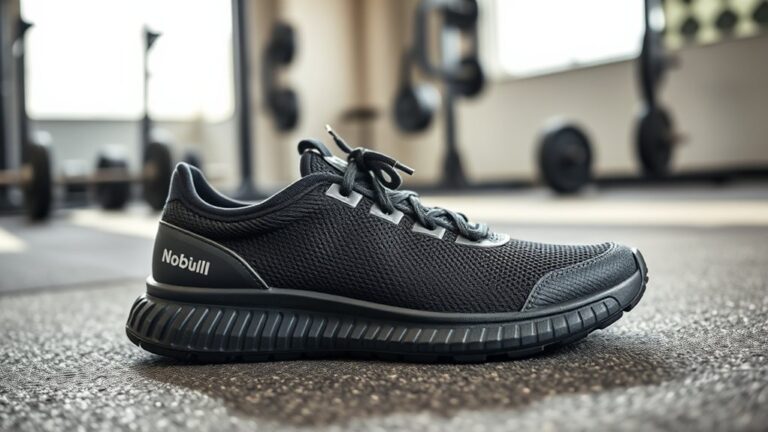
Barefoot shoes mimic your foot’s natural shape and movement with thin, flexible soles that protect while allowing ground feel. These barefoot shoes remove extra cushioning, arch support, and heel elevation to promote a natural gait and foot muscle engagement.
They use lightweight, breathable materials and feature a wide toe box for stability. If you want to understand how barefoot shoes differ from traditional footwear and how they benefit your foot health, there’s more to contemplate.
Key Takeaways
- Barefoot shoes mimic natural foot shape and movement with thin, flexible soles and minimal cushioning.
- They feature wide toe boxes and lack elevated heels to promote natural foot positioning and balance.
- Designed to enhance sensory feedback and engage foot muscles for improved strength and posture.
- Made from lightweight, durable materials to protect feet while maintaining ground feel.
- Suitable for those seeking natural foot movement, but require gradual transition to avoid injury.
What Are Barefoot Shoes?
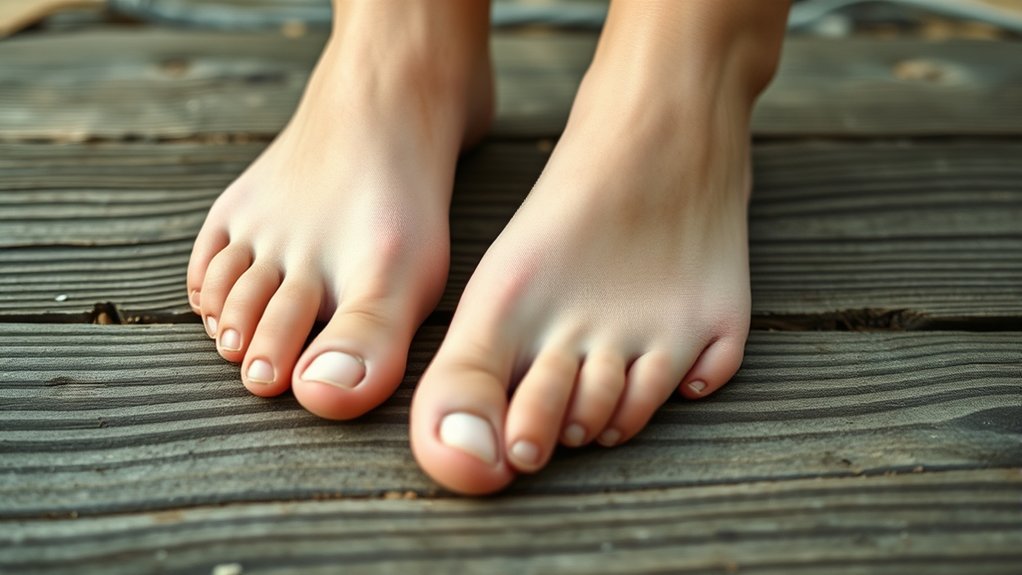
What exactly defines barefoot shoes? Barefoot footwear is designed to mimic the natural shape and movement of your feet, emphasizing a minimalist design. These shoes typically feature thin, flexible soles that offer protection without compromising ground feel.
The minimalist design removes excess cushioning, arch support, and elevated heels found in traditional footwear, allowing your feet to move more naturally. When you wear barefoot shoes, you engage muscles and joints in ways similar to walking or running barefoot, promoting a more natural gait.
The materials used are lightweight and durable, ensuring protection while maintaining flexibility. This approach encourages sensory feedback from the ground, which can improve balance and posture. Overall, barefoot shoes prioritize natural foot mechanics through their minimalist construction.
What Makes Barefoot Shoes Different?
Barefoot shoes distinguish themselves through design features that prioritize natural foot function over traditional support elements. Unlike conventional footwear, they minimize cushioning and arch support, allowing your foot to move and flex as it naturally would.
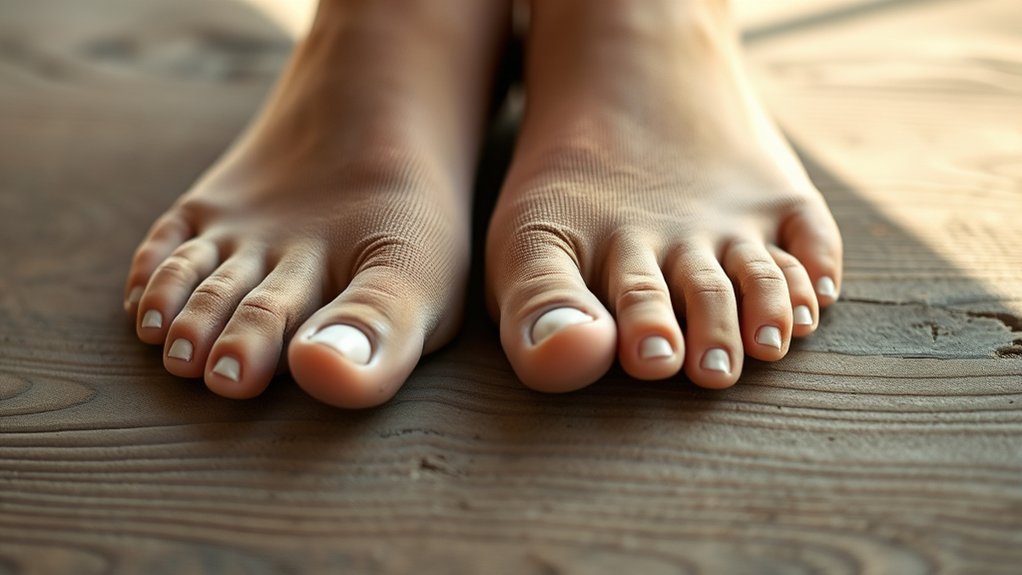
The soles are thin and flexible, providing enhanced ground feedback, which is essential to the minimalist movement. Additionally, barefoot fashion emphasizes a wider toe box, enabling your toes to spread comfortably, promoting balance and stability.
These shoes often lack elevated heels, maintaining a neutral foot position. You’ll find that barefoot shoes use lightweight, breathable materials, supporting both comfort and sensory awareness.
Benefits of Barefoot Shoes for Daily Use
Although switching to minimalist footwear can require an adjustment period, you’ll quickly notice several advantages when using barefoot shoes daily. Comfort science reveals that these shoes enhance natural foot movement, reducing pressure points.
You gain biomechanics benefits by promoting proper posture and strengthening foot muscles, which can decrease injury risk. Additionally, barefoot shoes improve sensory feedback, allowing better ground awareness and balance.
| Benefit | Description | Impact |
|---|---|---|
| Enhanced Comfort | Minimal cushioning aligns with foot | Reduces discomfort |
| Improved Posture | Encourages natural foot positioning | Decreases joint strain |
| Muscle Strength | Activates intrinsic foot muscles | Supports long-term health |
| Sensory Feedback | Increases ground sensation | Enhances balance |
| Injury Prevention | Promotes biomechanical efficiency | Lowers overuse injuries |
Who Should Use Barefoot Shoes and Why?
Anyone interested in improving foot health and overall biomechanics can benefit from using barefoot shoes. These shoes are ideal if you want to strengthen your feet, enhance balance, or reduce common foot issues. However, it’s essential to consider safety concerns and proper sizing guidance to avoid injury or discomfort.
You should consider barefoot shoes if you:
- Seek natural foot movement and better proprioception
- Want to address foot muscle weakness or stiffness
- Are cautious about foot alignment and posture improvements
Keep in mind, barefoot shoes require a gradual transition period. People with specific medical conditions or severe foot deformities should consult a healthcare professional before use to address safety concerns. Proper sizing guidance ensures optimal fit and function, preventing unnecessary strain or injury.
Choosing the Right Barefoot Shoes
How do you select the right barefoot shoes to maximize benefits and minimize risks? First, understand the barefoot shoes history to appreciate their design principles: minimal cushioning, wide toe boxes, and flexible soles that promote natural foot mechanics.
Avoid barefoot footwear myths, such as the belief that all barefoot shoes offer zero protection or are unsafe for beginners. Instead, choose shoes that suit your activity, foot shape, and transition stage.
Ensure they provide adequate sole thickness for terrain protection without compromising ground feel. Prioritize fit: the shoe must allow toe splay and avoid compression. Gradually adapt to barefoot shoes to reduce injury risk.
Frequently Asked Questions
Can Barefoot Shoes Be Worn in Formal Settings?
You can wear barefoot shoes in formal settings if they align with barefoot etiquette and dress codes. Choose minimalist, polished designs as formal footwear alternatives to maintain professionalism while benefiting from barefoot shoe features.
How Do Barefoot Shoes Affect Running Speed?
Imagine a runner improving their 5K time by adopting barefoot biomechanics; barefoot shoes can enhance running efficiency by promoting natural foot strike and better proprioception. This can potentially increase speed through optimized stride and reduced ground contact time.
Are Barefoot Shoes Suitable for Cold Weather?
Barefoot shoes can be suitable for cold weather if they offer adequate insulation and moisture resistance. You’ll need to contemplate temperature adaptation features carefully to maintain comfort and protect your feet from cold exposure during barefoot weather conditions.
Can Children Wear Barefoot Shoes Safely?
While barefoot shoes promote natural foot development, you must prioritize children’s safety by ensuring proper sizing considerations. Ill-fitting shoes can cause discomfort or injury, so select sizes that allow toe movement and support without compromising protection during activities.
How Do Barefoot Shoes Impact Foot Odor?
Barefoot shoes improve moisture management by allowing better airflow, reducing sweat buildup. This limits bacteria growth, which directly lessens foot odor implications, helping you maintain fresher feet compared to conventional, less breathable footwear options.
Conclusion
Embracing barefoot shoes is like giving your feet a fresh start, reconnecting you to natural movement. By mimicking barefoot conditions, these shoes promote better posture, balance, and muscle strength.
If you’re seeking a practical way to enhance daily comfort and foot health, barefoot shoes offer a precise solution. Choose wisely, and you’ll step confidently toward improved biomechanics and reduced injury risk—letting your feet truly feel the ground beneath them.
In conclusion, barefoot shoes provide an effective way to support natural foot function and overall well-being.