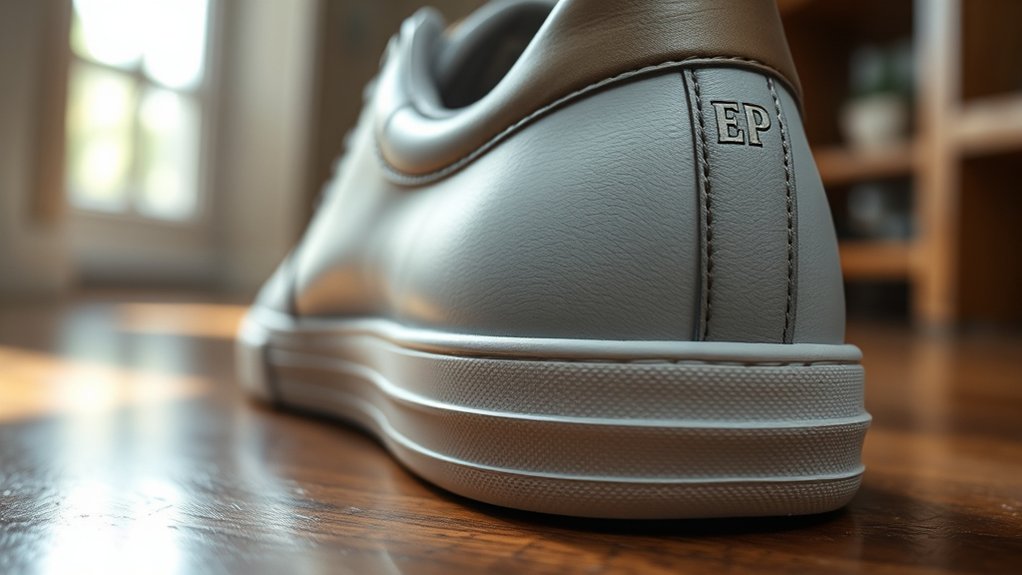
What Does Ep Mean in Shoes
When you see EP in shoes, it usually stands for Ethylene Propylene, a synthetic rubber known for durability, flexibility, and resistance to heat and water. EP materials enhance outsoles and midsoles, providing shock absorption and lasting performance.
It can also refer to an embossed patent finish, a synthetic leather with a glossy look but lower breathability than genuine leather. Knowing EP helps you understand shoe quality and maintenance.
Explore further to see how it compares and impacts footwear choices.
Key Takeaways
- EP stands for Ethylene Propylene, a synthetic rubber commonly used in shoe outsoles and midsoles for durability and flexibility.
- EP also refers to embossed patent, a synthetic leather finish with a glossy, textured appearance in shoe materials.
- EP materials offer water resistance, abrasion resistance, and enhanced longevity compared to natural leather options.
- EP is less breathable than full-grain or genuine leather but provides consistent quality and low maintenance.
- EP labels on shoes help identify enhanced cushioning, durability, and performance features for informed purchasing decisions.
What EP Means in Shoes
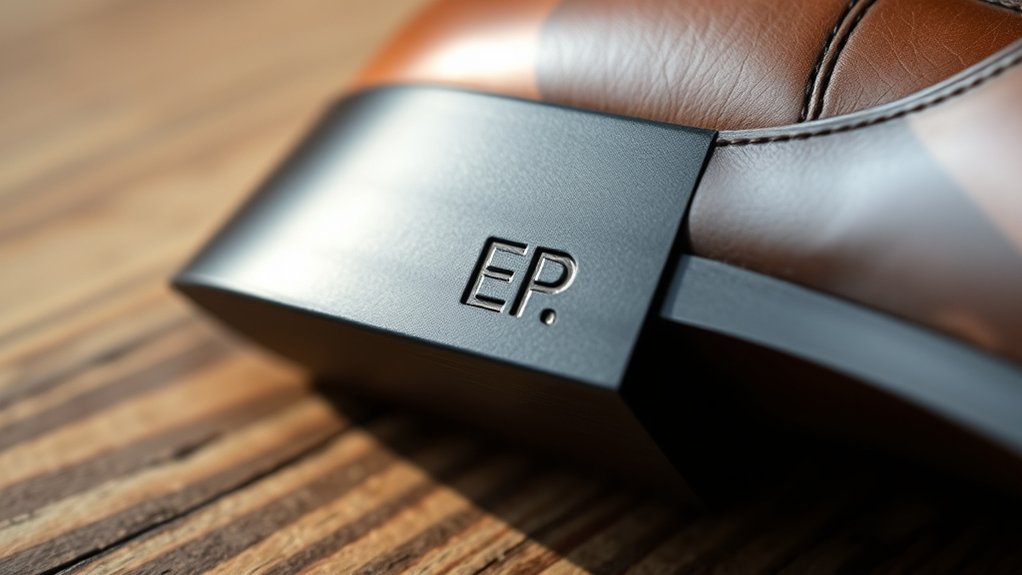
In shoe manufacturing, “EP” stands for Ethylene Propylene, a type of synthetic rubber commonly used in outsoles and midsoles. When you encounter EP in shoe descriptions, it specifically refers to this durable, flexible material known for excellent resistance to heat, oxidation, and compression set.
Understanding the ep meanings helps you avoid common misinterpretations, such as confusing EP with other abbreviations like EVA or PU, which denote different materials. EP’s chemical structure provides superior water resistance and longevity, making it ideal for athletic and casual footwear.
When evaluating shoes, recognizing EP assures you of the outsole’s performance characteristics. So, knowing exactly what EP means in shoes prevents misunderstanding product specifications and helps you make informed purchasing decisions based on material properties rather than marketing jargon.
EP Compared to Other Shoe Abbreviations
When you encounter “EP” in shoe descriptions, it specifically refers to a type of leather finish known as embossed patent. You’ll also see other abbreviations like “PU” for polyurethane or “PVC” for polyvinyl chloride, each indicating different materials or treatments.
Understanding how EP compares to these codes helps you assess the shoe’s durability, appearance, and maintenance requirements accurately.
EP Meaning Explained
Several common abbreviations appear in shoe descriptions, but EP stands out for its specific meaning related to material quality. EP, or “Embossed Patent,” refers to synthetic leather with a glossy, textured finish that mimics patent leather.
Understanding the EP meaning is crucial because materials impact durability, appearance, and cost. EP offers a balance between aesthetic appeal and affordability, making it popular in fashion footwear.
Unlike full-grain leather (FG) or genuine leather (GL), EP is less breathable but resists water and stains better due to its coated surface. When you see EP in shoe specs, it signals a manufactured material designed for consistent quality and visual effect.
Recognizing EP helps you evaluate shoe performance and maintenance requirements accurately.
Common Shoe Abbreviations
Understanding common shoe abbreviations like EP, FG, and GL helps you make informed choices based on material properties and performance. EP typically denotes “Engineered Polymer,” indicating a synthetic material optimized for durability and flexibility.
FG stands for “Full Grain,” referencing high-quality leather prized for strength and breathability. GL means “Genuine Leather,” a mid-grade option balancing cost and appearance.
When you perform techniques comparison, you’ll see EP shoes often excel in water resistance and lightweight construction, while FG offers superior longevity and natural feel. For fashion pairing, EP styles suit casual or sporty looks, whereas FG and GL align better with formal or classic ensembles.
Understanding these abbreviations empowers you to select shoes that meet your functional needs and style preferences efficiently.
EP Versus Other Codes
How does EP stack up against other common shoe material codes like FG and GL? EP materials, typically standing for Ethylene-Propylene, offer notable durability benefits compared to FG (Full Grain) leather and GL (Genuine Leather).
While FG leather excels in breathability and natural flexibility, it’s prone to wear and water damage. GL provides moderate durability but often lacks uniform quality.
EP materials, on the other hand, are synthetic compounds engineered for enhanced abrasion resistance and water repellence, making them ideal for high-performance footwear.
If you prioritize longevity and low maintenance, EP shoes outperform many natural leather options. However, FG and GL maintain advantages in comfort and aesthetic appeal.
Understanding these distinctions helps you select footwear optimized for your specific needs, balancing durability with material performance.
How EP Affects Shoe Materials and Durability
You’ll find that EP, or ethylene propylene, markedly enhances shoe materials by providing superior resistance to abrasion and environmental factors. This results in increased durability compared to other common compounds like EVA or rubber.
Understanding these benefits helps you choose footwear that maintains performance and longevity under various conditions.
EP’s Impact on Materials
EP ratings play a pivotal role in determining the quality and longevity of shoe materials. When you evaluate a shoe’s EP rating, you directly assess ep’s durability, how well the material resists wear, moisture, and deformation under stress.
High EP ratings indicate superior resilience, ensuring that materials like leather, synthetic fabrics, or rubber maintain structural integrity longer. Additionally, material compatibility with EP standards ensures that the components interact optimally, reducing premature breakdown.
For instance, polymers with high EP compatibility resist cracking and maintain flexibility, while adhesives rated for EP prevent delamination. Understanding EP’s impact on materials helps you select shoes that not only perform well initially but sustain their properties over time, balancing toughness with comfort and ensuring consistent performance throughout the shoe’s service life.
Durability Benefits of EP
Why does durability matter so much when choosing shoe materials? You want shoes that withstand long term wear, saving you money and discomfort.
EP enhances durability by improving resistance to abrasion and deformation. Durability testing shows EP-treated materials maintain structural integrity longer under stress.
| Material | Durability Increase | Key Benefit |
|---|---|---|
| Leather EP | 30% | Improved abrasion resistance |
| Synthetic EP | 25% | Enhanced flexibility |
| Rubber EP | 40% | Superior tear resistance |
| Mesh EP | 20% | Better tensile strength |
| Foam EP | 15% | Increased cushioning longevity |
EP Compared to Alternatives
How does EP measure up against other material treatments in boosting shoe durability? EP, or “Enhanced Polymer,” integrates into shoe components through a specialized process, improving resistance to abrasion and environmental stress.
Compared to traditional treatments like PU coatings or EVA blends, EP offers superior structural reinforcement without compromising flexibility. When you analyze ep terminology in product naming, you’ll notice brands often highlight EP to signal advanced durability features.
Unlike alternatives prone to cracking or deformation, EP-treated materials maintain integrity longer under repeated strain. This means shoes with EP components generally outperform counterparts in longevity tests.
Why EP Matters in Sneaker Style
Although sneaker design often focuses on aesthetics and comfort, understanding EP, short for “Extra Padding,” is essential for making informed style choices. EP fashion integrates functional cushioning with visual appeal, elevating sneaker culture by blending performance and style seamlessly.
When you choose sneakers featuring EP, you’re not just prioritizing comfort; you’re aligning with design elements that enhance foot support and silhouette. EP influences how sneakers sit on your foot, affecting both fit and overall look, which is crucial in sneaker culture where detail matters.
Ignoring EP can lead to selecting shoes that compromise either style or function. By appreciating EP’s role, you position yourself to select sneakers that excel in durability, comfort, and trend relevance, key factors for any serious sneaker enthusiast.
How to Identify EP Markings in Shoes
Locating EP markings on shoes requires careful inspection of specific areas where manufacturers typically denote extra padding features. Start by examining the tongue, insole, or inside lining, as these spots often carry identifying labels.
You should also check near the heel counter or on the shoe box label, where EP details might be printed or embossed. When reading labels, look for abbreviations like “EP” or terms such as “Extra Padding” or “Enhanced Protection.”
Some manufacturers use symbols or small icons indicating EP features, so stay attentive to those as well. By identifying labels accurately and reading labels thoroughly, you can confirm the presence of EP technology, ensuring you understand the shoe’s cushioning benefits without ambiguity.
Who Benefits From EP Features
Who gains the most from EP features in shoes? Primarily, individuals who prioritize wearer comfort and durability benefit substantially from EP technology. EP, or Expanded Polyurethane, enhances shock absorption and flexibility, reducing foot fatigue during prolonged use.
If you spend long hours standing or walking, EP benefits include improved cushioning that adapts to your foot’s movements, minimizing pressure points. Athletes and active users also gain from EP’s lightweight yet resilient properties, which maintain structural integrity under stress.
Additionally, those with sensitive feet or minor foot conditions will appreciate the enhanced support EP provides, promoting better posture and reducing strain. In short, anyone seeking a balance of comfort, durability, and performance in footwear will find EP features advantageous.
Tips for Choosing Shoes With EP
How do you identify shoes with the best EP features for your needs? Start by understanding the various ep meanings in fashion, particularly how EP relates to the shoe’s material and durability. Focus on material labeling; genuine EP materials often indicate enhanced resistance and quality.
Examine the label for terms like “EP leather” or “embossed patent,” which signify specific treatments or finishes. Prioritize shoes with clear, transparent labeling to ensure authenticity. Additionally, consider the shoe’s intended use. EP features vary between casual and performance footwear.
Check for detailed manufacturer descriptions and certifications that confirm the EP material’s standards. By combining knowledge of ep meanings in fashion with careful scrutiny of material labeling, you’ll select shoes that offer optimal performance, comfort, and longevity.
Frequently Asked Questions
Can EP Shoes Be Repaired if Damaged?
You can repair EP shoes, but their EP technology durability means repairs depend on damage type. Minor issues are feasible to fix, while severe damage may compromise structural integrity and limit repair effectiveness.
Are EP Shoes Suitable for Athletic Activities?
Like a well-oiled machine, EP shoes enhance athletic performance with durable materials and superior cushioning. You’ll find them suitable for rigorous activities, providing stability and support that meets the demands of intense training sessions.
Do EP Shoes Require Special Cleaning Methods?
You don’t need special methods for EP cleaning, but you should use mild detergents and soft brushes to preserve material integrity.
For EP repair, seek professional services to maintain durability and performance effectively.
Is EP Technology Eco-Friendly or Sustainable?
Like a breath of fresh air in manufacturing, EP technology boosts efficiency while minimizing eco impact. You’ll find its streamlined processes reduce waste and energy use, making it a more sustainable choice for environmentally conscious consumers.
How Does EP Impact Shoe Pricing?
Ep pricing often reflects the advanced material sourcing involved, which can increase production costs.
You’ll notice that EP shoes tend to be priced higher due to specialized components and sustainable practices embedded in their manufacturing process.
Conclusion
Understanding EP in shoes gives you insight into durability and material quality, setting it apart from other abbreviations like PU or EVA. While EP often means enhanced toughness, it doesn’t always guarantee comfort, highlighting the balance between strength and wearability.
Recognizing EP markings helps you make informed choices, especially if you prioritize long-lasting sneakers. It indicates materials designed to withstand more wear and tear than standard options.
In essence, EP is where performance meets style, ensuring your shoes aren’t just fashionable but built to endure. Understanding what EP means in shoes can help you select footwear that combines durability with the right level of comfort.