What Are Running Shoes
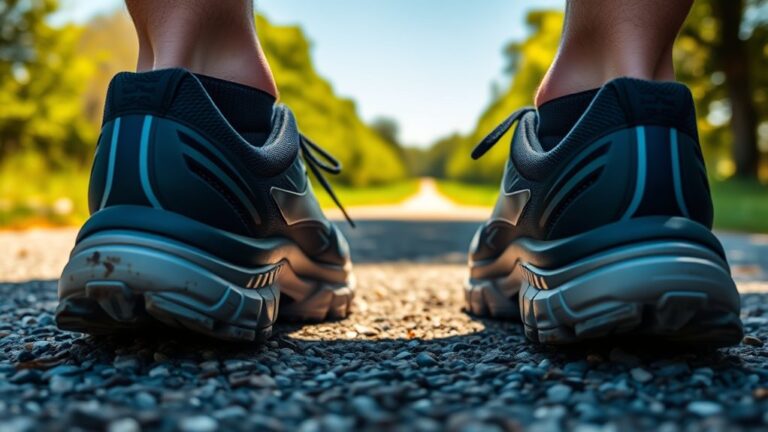
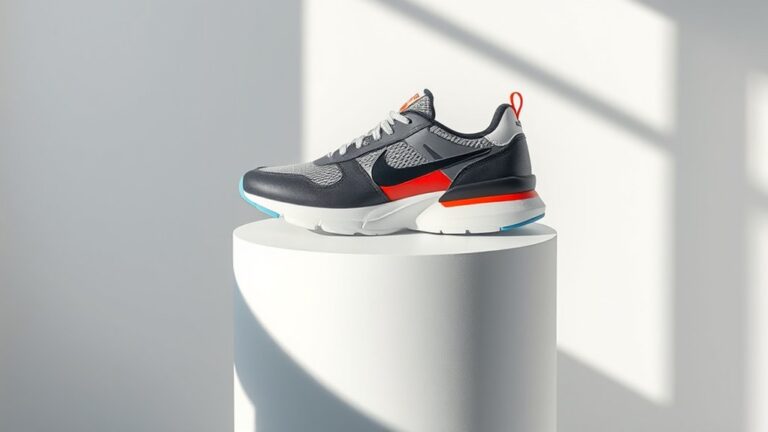
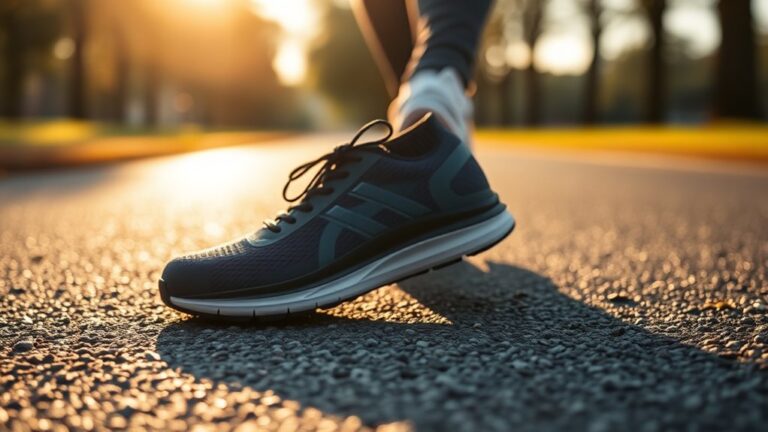
Running shoes are specially designed footwear that optimize your running performance and protect your feet. They incorporate lightweight, durable materials combined with advanced cushioning systems to absorb impact and reduce joint stress.
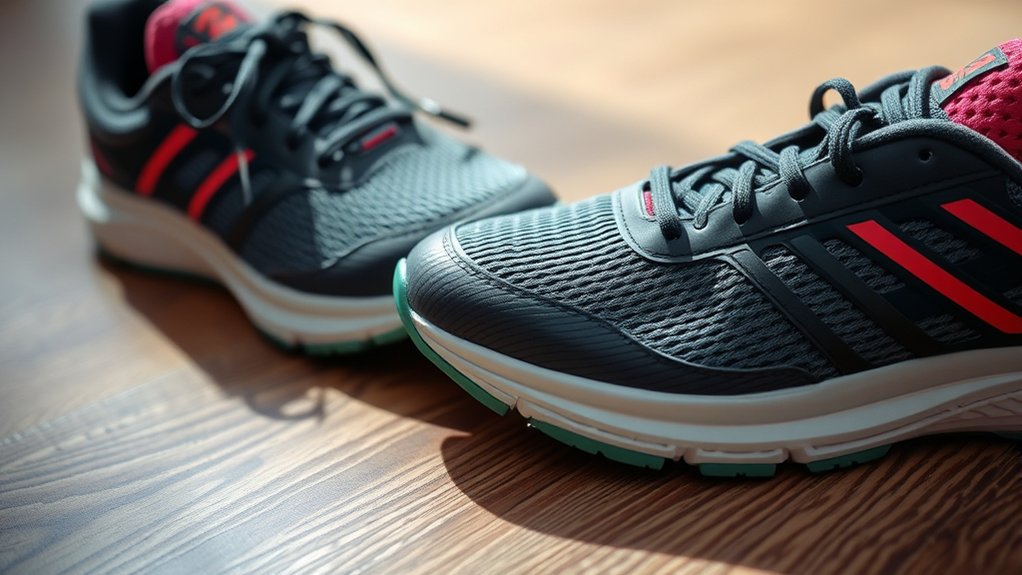
Features like reinforced eyelets and specialized lacing provide stability, while midsoles disperse shock for better alignment. Different shoe types suit various foot strikes and terrains, ensuring a tailored fit.
Understanding these essentials helps you pick the right pair and know when to replace them for lasting comfort and injury prevention.
Key Takeaways
- Running shoes are designed specifically for performance, comfort, and support during running activities.
- They feature specialized cushioning to absorb shock and reduce stress on feet and joints.
- Stability elements help maintain proper foot alignment and control motion to prevent injuries.
- Lightweight materials and reinforced structures provide flexibility, durability, and secure fit.
- Different types suit various foot strikes, terrains, and arch types, with regular replacement recommended after 300-500 miles.
What Makes Running Shoes Different?
What sets running shoes apart from other types of footwear? Their design focuses on optimizing performance and comfort during running. You’ll notice specialized shoe lacing systems that ensure a secure fit, preventing unwanted foot movement inside the shoe.
These lacing configurations often include reinforced eyelets and adjustable tension zones to enhance stability. Additionally, many running shoes incorporate water resistance features, using treated fabrics or membranes to repel moisture without sacrificing breathability.
This balance keeps your feet dry in damp conditions while maintaining airflow to reduce overheating. Unlike casual shoes, running shoes use lightweight materials combined with strategic structural elements, prioritizing flexibility and durability. Understanding these distinct characteristics helps you select footwear tailored specifically for running activities.
How Running Shoes Protect Your Feet and Joints
How do running shoes reduce the impact on your feet and joints during each stride? They use specialized cushioning materials that absorb shock, minimizing stress on your bones and connective tissues.
The midsole, often made from EVA or polyurethane foam, disperses impact forces evenly, protecting your heel, arch, and forefoot. Additionally, running shoes provide structural support to maintain proper foot alignment, which reduces strain on your ankles, knees, and hips.
For effective foot care, select shoes that match your gait and foot type. As a beginner, focus on gradual mileage increases and replace worn-out shoes promptly to prevent injury.
These beginner tips ensure your feet and joints remain healthy, allowing you to run more comfortably and reduce the risk of overuse injuries through proper shock absorption and support.
Performance Benefits of Running Shoes
Beyond protecting your feet and joints, running shoes enhance your overall performance by optimizing energy return and stability during each stride. You benefit from advanced midsole technologies designed to convert impact forces into forward momentum, improving running efficiency.
Additionally, engineered outsoles provide precise traction, enabling you to maintain better control on varied surfaces, which directly affects your speed and endurance. Creative branding and marketing strategies highlight these performance advantages, helping you identify shoes tailored to your specific running style and goals.
Essential Features: Cushioning, Stability, and Durability
Why do cushioning, stability, and durability matter so much in running shoes? These features directly impact your comfort, injury prevention, and shoe lifespan. When selecting shoes, consider these critical factors:
- Cushioning: Essential materials like EVA foam or gel inserts absorb shock, reducing joint stress during each stride.
- Stability: Structural elements such as medial posts or TPU shanks control foot motion, preventing overpronation and enhancing balance.
- Durability: High-abrasion rubber outsoles and reinforced uppers withstand wear, ensuring your shoes last through extensive mileage.
Additionally, modern running shoes incorporate evolving color trends without compromising these technical attributes. Understanding these features helps you choose footwear that supports your performance and endurance efficiently.
Running Shoe Types for Foot Strikes and Terrains
Where you land on your foot and the terrain you run on considerably influence the type of running shoe you should choose. Running shoe models are specifically designed to accommodate different foot strike patterns, such as heel, midfoot, or forefoot, and terrain demands like road, trail, or track surfaces.
For example, heel strikers often benefit from shoes with enhanced heel cushioning and stability features, while forefoot strikers need flexible models that promote natural toe-off. Additionally, your foot arch types—low, neutral, or high—play a critical role.
Low arches typically require motion control shoes to prevent overpronation, neutral arches suit stability shoes, and high arches benefit from cushioned models that absorb impact efficiently. Selecting the appropriate running shoe model based on foot strike and terrain optimizes performance and reduces injury risk.
When and Why Should You Replace Your Running Shoes?
You should replace your running shoes once you notice signs of wear such as reduced cushioning, outsole degradation, or uneven tread patterns.
Typically, ideal replacement occurs between 300 to 500 miles, depending on your running style and terrain. Timely replacement helps maintain proper support and reduces injury risk.
Signs Of Wear
How can you tell when your running shoes have outlived their effectiveness? Monitoring wear signs is crucial, especially as advancements in wearable tech and evolving fashion trends might distract you from performance issues.
Here are three key indicators to watch for:
- Midsole Compression: Check if the cushioning feels less responsive. The foam compresses over time, reducing shock absorption and increasing injury risk.
- Outsole Wear Patterns: Uneven or excessive tread wear affects traction and stability, compromising your running form.
- Upper Material Degradation: Tears, stretched fabric, or weakened overlays reduce support and protection, impacting overall shoe integrity.
Recognizing these signs helps you maintain optimal performance and safety, ensuring your running shoes support your activity effectively despite external distractions.
Optimal Replacement Timing
When should you replace your running shoes to maintain peak performance and prevent injury? Typically, you should consider replacing your shoes every 300 to 500 miles, depending on your running style, weight, and terrain.
As cushioning and support degrade, your optimal cadence can be affected, increasing injury risk. Monitor outsole wear and midsole compression regularly. Changes in sock choice can also signal replacement time; if you notice increased foot slippage or discomfort despite proper sock selection, it may indicate reduced shoe integrity.
Replacing shoes promptly maintains shock absorption and stability, supporting efficient biomechanics. Tracking mileage and paying attention to subtle changes in fit or ride quality ensures you maintain an optimal cadence and reduce stress on joints. Don’t wait for pain, replace proactively to protect your performance and health.
How to Choose the Right Running Shoes for Your Needs
What factors determine the ideal running shoe for your specific needs? To select the right pair, focus on these key elements:
- How to test shoe fit: Ensure there’s about a thumb’s width between your longest toe and the shoe’s end. Check that the shoe secures your heel without slipping and provides ample width without compression.
- Choosing materials: Opt for breathable uppers like engineered mesh to enhance ventilation. Consider midsoles made from EVA or polyurethane for optimal cushioning and durability.
- Running style and terrain: Match shoe features to your gait and typical surfaces. Stability shoes suit overpronators; neutral shoes fit those with a balanced stride. Trail shoes offer rugged soles for uneven terrain.
Frequently Asked Questions
How Are Running Shoes Manufactured?
You’ll navigate manufacturing challenges by precisely molding foam midsoles and stitching uppers, all while prioritizing sustainability through recycled materials and waste reduction.
This ensures efficient, eco-friendly production processes that meet high-performance standards.
What Materials Are Commonly Used in Running Shoes?
You’ll find running shoes use synthetic mesh for breathability, EVA foam for cushioning, and rubber for outsole tread patterns that enhance grip. These materials ensure durability and optimal performance on various surfaces during your runs.
Can Running Shoes Help Prevent Specific Injuries?
Studies show 79% of runners reduce injury risk with proper shoes. You’ll benefit from injury prevention features proven through durability testing, which đảmв material sustain support and cushioning, minimizing stress on joints and soft tissues during runs.
How Have Running Shoes Evolved Over Time?
You’ve seen the evolution of cushioning improve shock absorption dramatically, while advancements in traction provide better grip on varied surfaces. These technical upgrades enhance performance, reduce injury risk, and adapt to diverse running conditions effectively.
Do Running Shoes Require Special Care or Cleaning?
Yes, running shoes require care routines to maintain performance. Use cleaning hacks like gentle hand washing with mild detergent and air drying away from heat. Regularly inspect soles to extend their lifespan and preserve cushioning integrity.