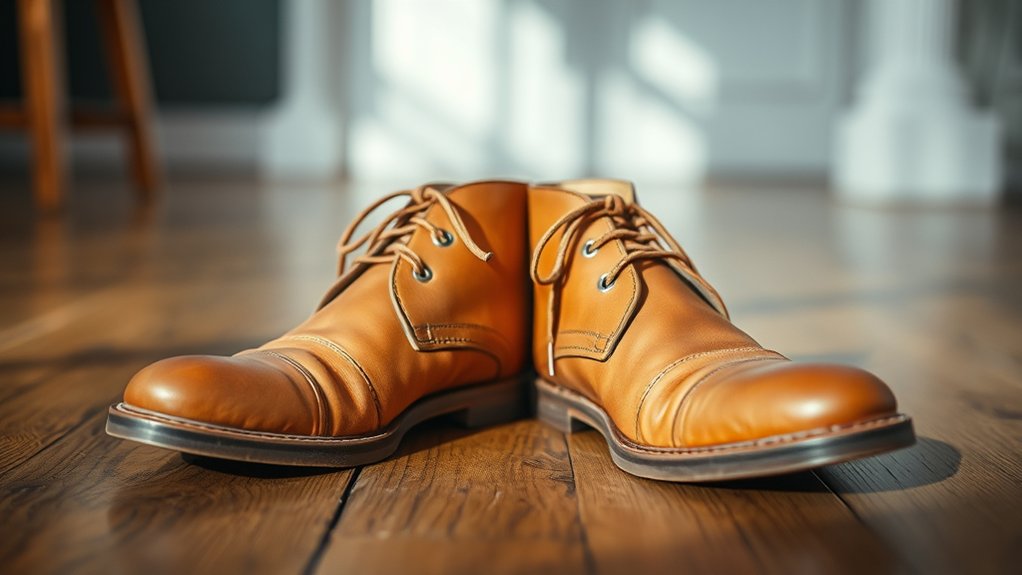
What Are Chukka Shoes
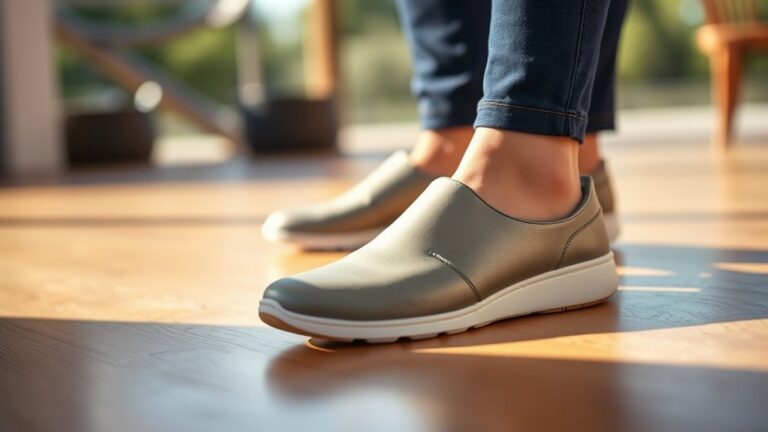
Chukka shoes are ankle-high footwear known for their two or three eyelets for lacing and minimalist, sleek design. These shoes feature thin, flexible soles that provide comfort and durability, along with enough support for easy wearability.
Typically crafted from materials like leather, suede, nubuck, or canvas, chukka shoes come in versatile colors such as tan, brown, navy, and grey. Their understated style makes them suitable for both casual and formal settings.
Understanding the different materials, care methods, and styling nuances can help you fully appreciate the versatility and appeal of chukkas.
Key Takeaways
- Chukka shoes feature an ankle-high cut with two or three eyelets for lacing and a minimalist, versatile design.
- They have a thin, flexible sole that balances support with comfort and easy wearability.
- Common materials include high-quality leather, suede, nubuck, and canvas, each affecting breathability and style.
- Typical colors are tan, brown, navy, and grey, suitable for both casual and formal occasions.
- Maintenance involves regular brushing and occasional conditioning without requiring heavy or specialized care.
Key Features of Chukka Shoes
What sets chukka shoes apart are their distinct structural and design elements. You’ll notice the ankle-high cut, typically featuring two or three eyelets for lacing, which balances support with easy wearability. The minimalist design enhances their style versatility, allowing you to pair them with both casual and semi-formal outfits seamlessly.
The sole, often thin and flexible, contributes to comfort without sacrificing durability. Contrary to care myths, chukkas don’t demand excessive maintenance; regular brushing and occasional conditioning suffice to preserve their appearance.
Their construction usually emphasizes clean lines and minimal stitching, ensuring a sleek profile. Understanding these key features helps you appreciate why chukka shoes remain a timeless and practical choice in footwear.
Common Materials and Colors for Chukka Shoes
Where do chukka shoes find their characteristic look and durability? It’s primarily in their common materials and color options. Typically, high-quality leather and suede dominate, offering both resilience and a refined appearance.
These materials influence breathability and wear resistance, key factors in performance. Color options range from classic tan and brown to more contemporary navy or grey, providing versatile styling bases.
Below is a table summarizing common materials, their typical color options, and discussion ideas for choosing each:
| Material | Color Options | Discussion Ideas |
|---|---|---|
| Leather | Brown, Black, Tan | Durability, water resistance |
| Suede | Tan, Navy, Grey | Softness, casual aesthetic |
| Nubuck | Brown, Olive, Grey | Texture, maintenance requirements |
| Canvas | Beige, Navy, Black | Lightweight, breathability |
Understanding these elements helps you select chukka shoes aligned with your needs.
Styling Chukka Shoes for Every Occasion
When you pair chukka shoes with different outfits, their versatility truly comes to light. For styling for casual events, opt for suede chukkas combined with slim-fit jeans or chinos and a casual button-down or polo. This creates a balanced, relaxed look without sacrificing refinement.
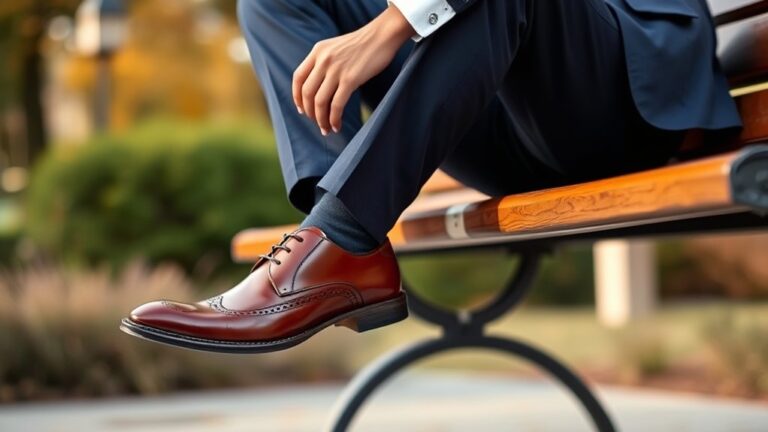
When styling for formal events, choose leather chukkas in darker shades like black or deep brown. Pair them with tailored trousers and a crisp dress shirt, adding a blazer for enhanced sophistication. Pay attention to the shoe’s finish: matte leather offers subtlety, while polished leather elevates formality.
Regardless of the occasion, ensure the shoes are well-maintained to preserve their sharp appearance. Mastering these styling nuances lets you maximize chukka shoes’ adaptability across your wardrobe seamlessly.
Origin and Evolution of Chukka Shoes
How did chukka shoes become a timeless staple in men’s footwear? The origin and evolution of chukka shoes trace back to the 1940s, inspired by the desert boot origins developed by Nathan Clark of Clarks.
Originally designed for British soldiers in the North African desert, these boots featured lightweight, ankle-high suede uppers and crepe rubber soles, optimized for comfort and durability in harsh terrain. Over time, chukka shoes evolved from military necessity to versatile casual footwear, maintaining their simple two- or three-eyelet lace design.
Their minimal construction and functional materials highlight their utilitarian roots while adapting to modern aesthetics. Understanding this origin evolution helps you appreciate chukkas’ blend of heritage and practicality, making them a refined yet robust choice in your footwear collection.
Caring for Chukka Shoes
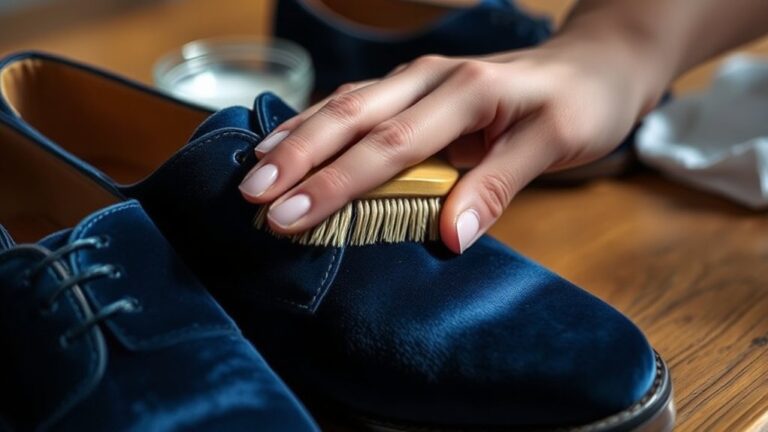
Proper care greatly extends the lifespan and appearance of your chukka shoes. Start by regularly removing dirt and dust using a soft-bristled brush, which prevents abrasive particles from damaging the leather or suede.
For leather chukkas, apply a high-quality leather conditioner bi-monthly to maintain suppleness and prevent cracking. Suede chukkas require specialized cleaning methods: use a suede brush to lift dirt and a suede eraser for stains.
Avoid water exposure; if wet, stuff your shoes with newspaper and air dry naturally. Rotate wearing your chukkas to allow material recovery and use cedar shoe trees to preserve shape and absorb moisture.
These care tips ensure your chukka shoes retain their structure and finish, enhancing durability and maintaining their classic aesthetic over time.
Frequently Asked Questions
Can Chukka Shoes Be Worn in Rainy Weather?
You can wear chukka shoes in rainy weather only if they’re made from waterproof materials like treated leather or synthetic fabrics. Otherwise, standard suede or untreated leather won’t protect your feet or resist water effectively.
Are Chukka Shoes Suitable for People With Wide Feet?
Though chukkas often seem narrow, they can suit wide feet if you focus on wide feet discussion and heel width considerations. Opt for models with adjustable laces and roomy soles to ensure comfort without compromising style or support.
How Do Chukka Shoes Compare to Desert Boots?
You’ll notice how chukka boots compare with desert boots through their sole and material differences; desert boots typically have crepe soles and suede uppers, while chukka boots may feature leather soles and varied materials, offering distinct durability and style.
Can Chukka Shoes Be Resoled or Repaired Easily?
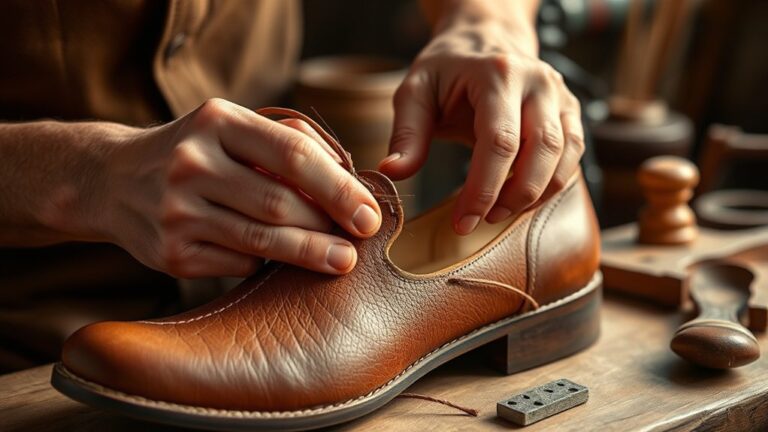
You can resole chukka shoes fairly easily due to their minimalist design, which simplifies sole replacement. Opt for cobblers using recycled materials to maintain eco-friendliness while ensuring precise repairs that preserve your shoe’s structural integrity.
What Is the Average Price Range for Quality Chukka Shoes?
You’ll find the average price range for quality chukka shoes between $150 and $400, depending on brand value, materials, and craftsmanship.
Premium brands command higher prices due to superior leather and construction techniques.