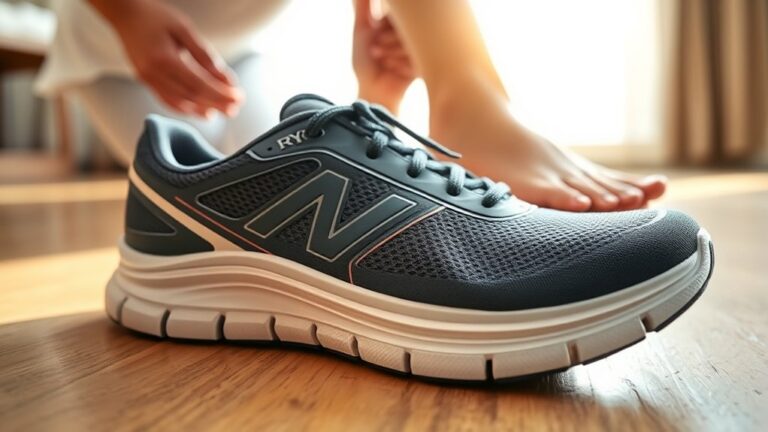
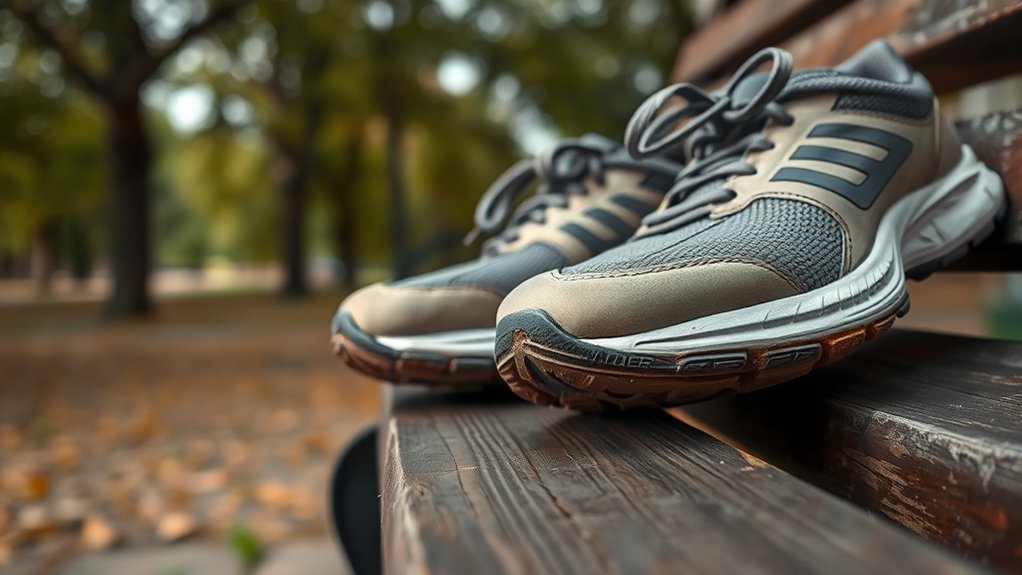
How Often to Replace Running Shoes
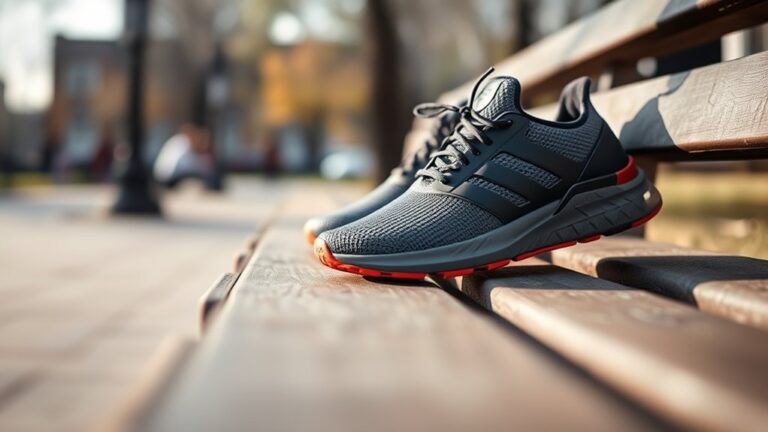
You should replace your running shoes every 300 to 500 miles to maintain cushioning and support essential for injury prevention. Knowing how often to replace running shoes helps keep your feet comfortable and reduces the risk of joint pain or injury.
Monitor your shoes for compressed midsoles, worn tread, or structural damage, especially if you notice new aches. Your running style and gait affect wear patterns, which can speed up deterioration if inefficient.
Rotating pairs of shoes can extend their life by 20–30%. Proper care also plays an important role. To optimize your shoe choice and replacement timing, understanding these factors is key.
Key Takeaways
- Replace running shoes typically between 300 to 500 miles to maintain optimal cushioning and support.
- Signs like compressed midsoles, worn outsole tread, or new joint pain indicate it’s time to replace shoes.
- Rotating multiple pairs extends shoe lifespan by 20–30% and helps cushioning recover between runs.
- Heavy heel strikers may need to replace shoes sooner due to accelerated rear sole wear.
- In-person gait analysis and fit trials at specialty stores improve replacement timing and shoe selection.
How to Tell When Your Running Shoes Are Worn Out
You can often identify worn-out running shoes by closely examining their midsoles, outsoles, and overall structure. Start by checking the midsole cushioning for compression or uneven wear, which reduces shock absorption and support.
Inspect the outsole for worn tread patterns or smooth areas indicating decreased traction. Evaluate the shoe’s structure for any signs of deformation or loose stitching that compromise stability.
Avoid getting distracted by irrelevant topic concerns like color changes or superficial scuffs, as they don’t affect performance. Although two word discussion ideas like “material breakdown” or “heel wear” might arise, focus on tangible wear signs that impact function.
Signs Your Running Shoes Need Replacing
How can you accurately determine when running shoes have reached the end of their functional lifespan? Look for specific signs: the midsole foam compresses and loses cushioning, visibly evidenced by creases or hardness when pressed.
Outsole tread wear, especially uneven patterns, reduces traction and shock absorption. Excessive upper material fraying or tears compromise foot stability.
If you experience new joint pain or discomfort during runs, it often signals diminished shoe support. Avoid relying on irrelevant topic shifts like style changes or color fading, which don’t indicate performance degradation.
Ignoring two word discussion ideas such as “comfort level” or “shoe integrity” might cause you to overlook essential wear indicators. Monitoring these objective wear markers helps you replace shoes timely, preserving injury prevention and running efficiency.
How Mileage and Running Style Affect Running Shoe Lifespan
You’ll find that your running shoe lifespan depends heavily on your total mileage, as midsole materials typically degrade after 300 to 500 miles.
Your running style also plays a critical role, since factors like pronation and foot strike impact wear patterns and cushioning breakdown. Monitoring these variables helps you predict when your shoes no longer provide adequate support or shock absorption.
Impact Of Running Mileage
Where does mileage begin to degrade your running shoes considerably? Research shows the impact mileage directly affects shoe durability, with most running shoes designed to last between 300 to 500 miles. Beyond this range, midsole cushioning and outsole integrity decline, increasing injury risk.
| Mileage Range (miles) | Expected Shoe Durability | Performance Impact |
|---|---|---|
| 0-100 | Optimal cushioning | Maximum shock absorption |
| 101-300 | Minor wear | Slight loss in responsiveness |
| 301-500 | Moderate degradation | Noticeable reduction in support |
| 501-700 | Significant wear | Increased injury risk, reduced stability |
| 700+ | Excessive wear | Compromised protection, replace immediately |
Tracking impact mileage allows you to replace shoes before performance and safety decline noticeably.
Influence Of Running Style
Why does your running style matter when considering shoe lifespan? The influence of running style significantly affects how quickly your shoes wear out. For example, a heavy heel striker exerts greater impact forces on the rear sole, accelerating midsole compression and outsole degradation.
Conversely, forefoot or midfoot strikers distribute impact differently, potentially prolonging shoe life. Additionally, your cadence and stride length modulate the repetitive stress applied to the shoe’s cushioning system.
Research demonstrates that inefficient running styles increase localized pressure, intensifying material breakdown. Understanding these running style effects helps you anticipate shoe replacement timing more accurately, beyond mileage alone.
Shoe Wear Patterns
How do mileage and running style combine to shape the wear patterns on your running shoes? As you log more miles, cumulative mechanical stress accelerates shoe wear, especially in high-impact zones.
Your running style, whether you pronate, supinate, or maintain a neutral gait, directly influences where sole fatigue develops. For example, overpronators commonly experience increased wear on the shoe’s medial side, while supinators show more lateral degradation.
These patterns signal uneven midsole compression and outsole abrasion, reducing shock absorption and stability. Monitoring sole fatigue and tread erosion helps you identify when your shoes no longer provide adequate support.
Therefore, understanding your unique wear pattern allows you to anticipate shoe replacement before performance and injury risk escalate. Regularly inspect your shoes to maintain optimal biomechanics and prolong healthy running.
Tips to Make Your Running Shoes Last Longer
To extend your running shoes’ lifespan, you should clean them properly by avoiding harsh detergents and air-drying them to maintain material integrity.
Rotating between multiple pairs reduces repetitive wear and allows cushioning to recover fully. These strategies help preserve shoe performance and delay the need for replacement.
Proper Cleaning Techniques
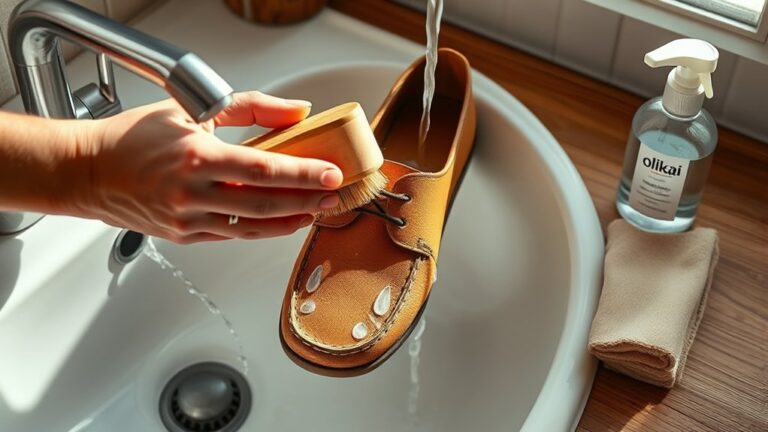
When should you clean your running shoes to maximize their lifespan? Clean them promptly after exposure to mud, dirt, or sweat to prevent material degradation and odor buildup. Use a soft brush and mild detergent diluted in water for proper cleaning; avoid harsh chemicals that can weaken fibers or adhesives.
Remove insoles and laces before washing, allowing each component to dry separately at room temperature to maintain structural integrity. Avoid machine washing or drying, as agitation and heat accelerate wear.
After cleaning, store your shoes in a well-ventilated, cool area away from direct sunlight to prevent material breakdown and deformation. Proper cleaning combined with appropriate shoe storage mitigates microbial growth and preserves cushioning, extending your running shoes’ functional life based on evidence from material science studies.
Rotate Multiple Pairs
Why should you consider rotating multiple pairs of running shoes? Rotation strategies reduce the cumulative wear on any single pair, allowing midsole materials to decompress and regain resilience between runs. Research shows that alternating shoes extends their effective lifespan by 20-30%, improving shock absorption and reducing injury risk.
From a cost benefit analysis perspective, investing in two or more pairs can lower your overall expenditure on replacements by maximizing usage duration. Additionally, varied shoe designs can address different biomechanical needs, enhancing performance and comfort.
To optimize rotation, alternate shoes daily or every few runs, ensuring each pair receives ample recovery time. This evidence-based approach balances shoe longevity with injury prevention, making rotation a smart strategy for serious runners aiming to get the most value and durability from their footwear.
When and Where to Buy New Running Shoes
How do you determine the optimal timing and location for purchasing new running shoes? Monitoring your current pair’s mileage and wear patterns is crucial; most models warrant replacement between 300-500 miles due to midsole degradation. When your shoes show decreased cushioning or outsole wear, it’s time to shop.
For purchasing, specialized running stores provide access to the latest new shoe materials engineered for improved support and durability, backed by biomechanical testing. These retailers also offer expert gait analysis to optimize fit.
Additionally, consider color coordination if you want shoes matching your running gear or reflective elements for safety. While online options may offer convenience and variety, in-person trials at specialty stores ensure you assess fit, comfort, and technical features accurately before investing in your next pair.
Choosing the Right Replacement Running Shoes for You
What factors should you prioritize to select the ideal replacement running shoes? Start by analyzing your fit profile. Consider arch type, foot width, and gait patterns to ensure proper support and comfort.
Next, focus on choosing materials that balance durability, breathability, and weight. Technologies like engineered mesh and EVA midsoles enhance performance and longevity.
Evaluate outsole traction based on your running surfaces. Finally, test shoes under conditions mimicking your typical runs to verify fit and feel.
| Factor | Emotional Impact |
|---|---|
| Fit Profile | Confidence in every step |
| Choosing Materials | Assurance of durability |
| Cushioning | Comfort during impact |
| Traction | Safety on varied terrain |
| Weight | Freedom and speed |
This evidence-based approach ensures your replacement shoes support your running goals precisely.
Frequently Asked Questions
Can Running Shoes Improve My Running Speed?
Yes, running shoes can improve your speed consistency by optimizing footwear biomechanics, reducing energy loss, and enhancing propulsion. Properly designed shoes support efficient gait mechanics, allowing you to maintain faster, more consistent speeds with less fatigue.
Are Expensive Running Shoes Always Better?
Expensive shoes aren’t always better; you’ll encounter diminishing returns as price rises. Focus on fit, support, and durability. These factors impact performance more than brand or cost.
Evidence shows mid-range options often suffice.
How Do Weather Conditions Affect Running Shoe Durability?
Oh sure, your shoes love soggy mud and blazing sun, said no running shoe ever. Weather durability directly impacts outsole wear; rain and heat accelerate material breakdown.
You’ll need to replace shoes more often to maintain optimal support and traction.
Can I Use Running Shoes for Other Sports?
You can use running shoes for other sports, but their shoe lifespan may shorten due to material breakdown from different movements. Cross-training shoes better handle lateral stress, preserving integrity and performance longer than running shoes in varied activities.
What Are the Environmental Impacts of Disposing Running Shoes?
You contribute to environmental disposal issues by discarding running shoes, as they contain non-biodegradable materials. Explore recycling options like sole grinding or donation programs to reduce landfill impact and promote sustainable material reuse effectively.