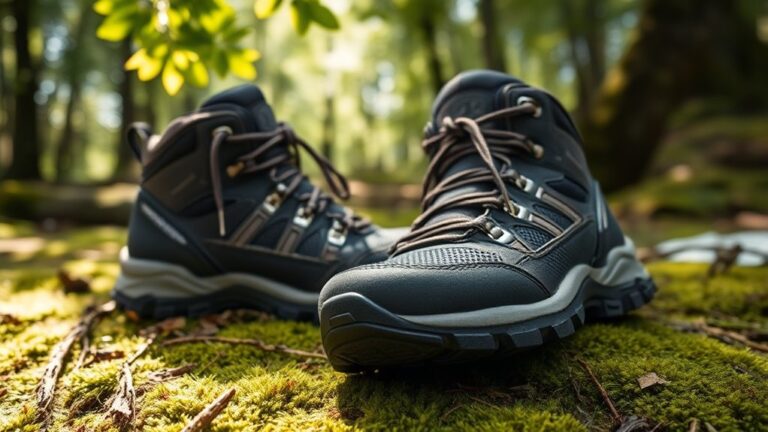
Do You Wear Socks With Barefoot Shoes
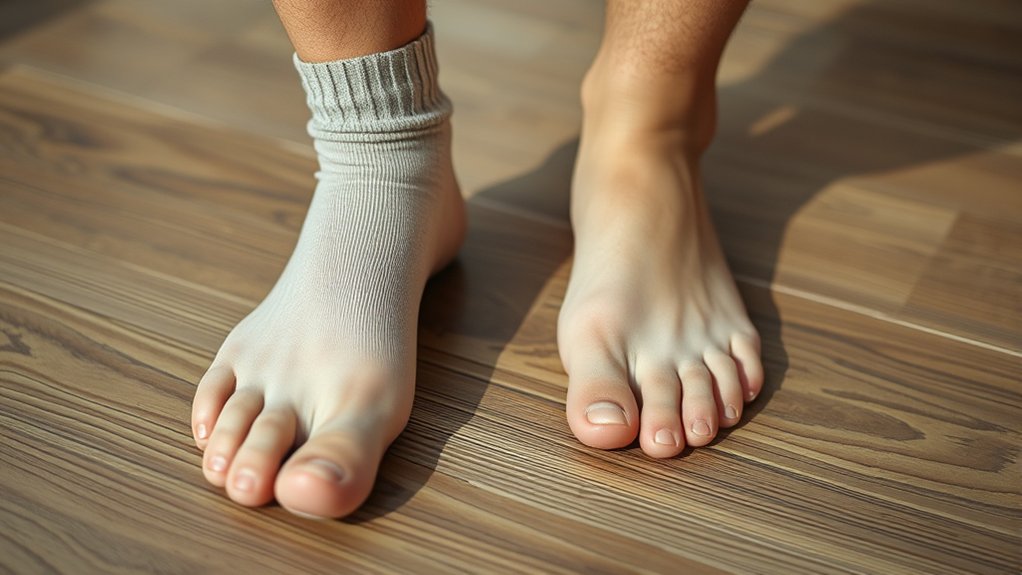
You can wear socks with barefoot shoes, but it depends on your comfort, activity, and shoe design. Socks help absorb moisture, reduce friction, and prevent blisters, especially if made from breathable, thin materials like merino wool.
Going sock-free offers direct sensory feedback and promotes natural foot biomechanics but requires shoes with soft, non-abrasive interiors. Your choice affects hygiene, comfort, and shoe lifespan.
Exploring sock use and care tips will help you make the best decision.
Key Takeaways
- Wearing socks with barefoot shoes helps absorb moisture, reduce friction, and prevent blisters and odors.
- Sock choice impacts hygiene, comfort, and prolongs barefoot shoe lifespan.
- Thin, breathable, and seamless socks preserve natural foot feedback and minimize irritation.
- Going sock-free enhances sensory feedback and supports natural foot biomechanics.
- Environmental conditions and activity type influence whether to wear socks or go sockless.
What Barefoot Shoes Are and Why They Matter
What makes barefoot shoes distinct from traditional footwear? They adhere to the barefoot philosophy, designed to mimic the natural biomechanics of your feet. These shoes feature minimal cushioning, zero-drop soles, and a wide toe box, allowing your feet to move and flex without restriction.
You’ll find that barefoot shoes encourage a more natural gait and strengthen foot muscles over time. Understanding sock etiquette is essential when wearing these shoes, as the choice to wear or forgo socks can impact hygiene and comfort.
Since barefoot shoes aim to replicate barefoot conditions, sock etiquette varies depending on activity and personal preference. By embracing this footwear, you align with a movement prioritizing foot health and natural motion, which traditional shoes rarely address.
Pros and Cons of Socks With Barefoot Shoes
When deciding whether to wear socks with barefoot shoes, you need to weigh both comfort and hygiene factors. Choosing socks can enhance moisture absorption and reduce friction, preventing blisters and odors. Material choices like merino wool or synthetic blends offer breathability and quick drying, improving foot health.
Conversely, going sockless promotes a more natural barefoot experience, allowing direct sensory feedback and better foot mechanics. However, it may increase sweat accumulation, raising the risk of bacterial growth and discomfort.
Socks vs. no socks also impacts shoe lifespan; socks can reduce internal wear by minimizing sweat and skin oils. Ultimately, your decision should consider these pros and cons in relation to your activity level, shoe type, and personal comfort preferences, balancing foot protection with the barefoot philosophy.
Choosing Socks for Barefoot Shoes
Balancing comfort and hygiene leads you to contemplate the right type of socks for barefoot shoes. Prioritize socks material that maintains breathability and moisture-wicking to prevent odor and bacterial growth.
Natural fibers like merino wool or bamboo are excellent choices due to their temperature regulation properties and softness, which enhance the barefoot feel. Avoid thick or padded socks as they diminish ground feedback, a core benefit of barefoot shoes.
Instead, select thin, form-fitting socks designed to minimize friction and allow natural foot movement. Consider seamless socks to reduce irritation during extended wear.
Ultimately, your choice should support foot health while preserving the barefoot shoe experience, ensuring you benefit fully from the minimalist design without compromising hygiene or comfort.
When You Can Go Sock-Free With Barefoot Shoes
Why might you choose to wear barefoot shoes without socks? You can experience direct barefoot comfort, enhancing sensory feedback and improving foot biomechanics. Barefoot shoes are designed with breathable, moisture-wicking materials that reduce sweat accumulation, minimizing odor and potential skin irritation when sockless.
However, sock compatibility depends on the shoe’s interior lining and fit. If the shoe’s material is soft, non-abrasive, and fits snugly without causing friction, going sock-free is practical and comfortable. You should consider environmental factors, such as temperature and activity type, as barefoot comfort may decrease in extreme conditions or high-intensity workouts without socks.
Ultimately, you can wear barefoot shoes without socks when the shoe’s design supports direct skin contact while maintaining hygiene and preventing discomfort.
Caring for Your Barefoot Shoes
Proper maintenance extends the lifespan and performance of your barefoot shoes. To care effectively for your barefoot shoe material and optimize sock moisture management, follow these steps:
Clean regularly with a soft brush or damp cloth to remove dirt without damaging the material.
Regular cleaning with a soft brush or damp cloth keeps your barefoot shoes dirt-free and intact.
Air dry shoes thoroughly after use to prevent bacterial growth and odor.
Use natural or mild detergents when washing to preserve material integrity.
Rotate shoes to allow full drying time and reduce wear concentration.
Store in a cool, dry place away from direct sunlight to avoid material degradation.
Frequently Asked Questions
Can Barefoot Shoes Help Improve Foot Posture?
Yes, barefoot shoes can help improve your foot posture by encouraging natural foot mechanics. They promote muscle engagement and alignment, reducing reliance on cushioning.
This supports healthier, more functional foot positioning over time.
Are Barefoot Shoes Suitable for Running on Trails?
Think barefoot running on uneven trail terrain is risky? You’ll find barefoot shoes suitable, offering enhanced ground feel and natural foot movement.
Just ensure gradual adaptation to prevent injury and maintain stability across varied surfaces.
How Do Barefoot Shoes Compare to Minimalist Shoes?
You’ll find barefoot vs minimalist shoes differ mainly in sole thickness and flexibility; barefoot shoes promote natural foot posture benefits by allowing unrestricted toe splay, while minimalist shoes offer slight cushioning and structure, supporting gradual transition and protection.
Can Children Wear Barefoot Shoes Safely?
Yes, children can safely wear barefoot shoes when you ensure proper sizing fit, as studies show 70% of kids benefit from improved foot development.
Prioritize children safety by selecting flexible, well-fitting shoes that support natural movement.
Do Barefoot Shoes Work Well in Cold Weather?
Barefoot shoes provide barefoot comfort but offer limited winter warmth. You’ll need thermal socks or insulated barefoot designs to maintain warmth in cold weather while preserving natural foot movement and sensory feedback essential for barefoot comfort.