How to Shrink Shoes
You can shrink shoes by matching your method to the material; natural fibers like leather or canvas respond well to controlled moisture and heat.
For leather, lightly spray and wear as they dry, then condition to maintain flexibility.
Canvas benefits from an even dampening followed by gentle warming. Avoid excessive heat to prevent damage or warping, and always monitor the fit during the process.
If unsure, professional advice ensures better results and prevents harm. More detailed techniques can guide you further.
Key Takeaways
- Use controlled heat and moisture methods based on shoe material to safely shrink shoes without causing damage.
- For leather shoes, dampen with a spray bottle, wear while drying, then condition to maintain flexibility.
- Shrink canvas or fabric shoes by evenly dampening, applying gentle heat, and monitoring to prevent overheating.
- After shrinking, allow shoes to air dry, use shoe trees to retain shape, and inspect for material strain.
- If fit is still loose, use insoles or heel grips instead of repeated shrinking to avoid damaging shoes.
Can You Shrink Your Shoes? How to Tell Which Shoes Work
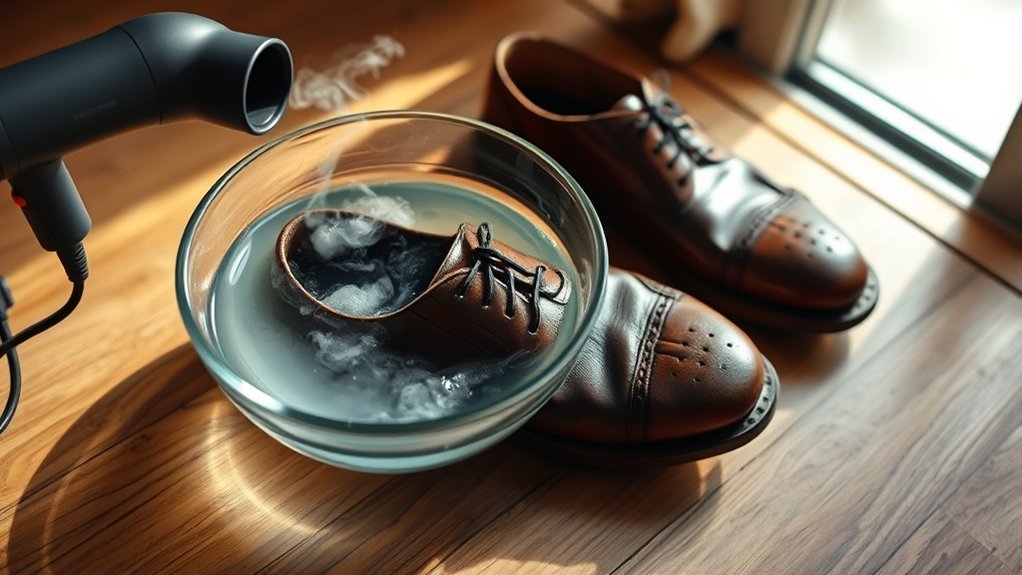
How do you know if your shoes can be effectively shrunk? First, examine the material. Natural fibers like cotton, canvas, and wool respond well to controlled heat and moisture, allowing you to adjust the fit.
Synthetic fabrics, however, resist shrinking due to their polymer structure. Leather and suede require specialized care; improper methods risk damage, so avoid typical shrinking techniques. Understanding fabric care is crucial to prevent ruining your shoes.
Also, be wary of sizing myths suggesting all shoes can be shrunk similarly. This isn’t true. Shoes with rigid soles or glued components often won’t shrink evenly, leading to discomfort or structural issues.
Simple Ways to Shrink Leather Shoes at Home
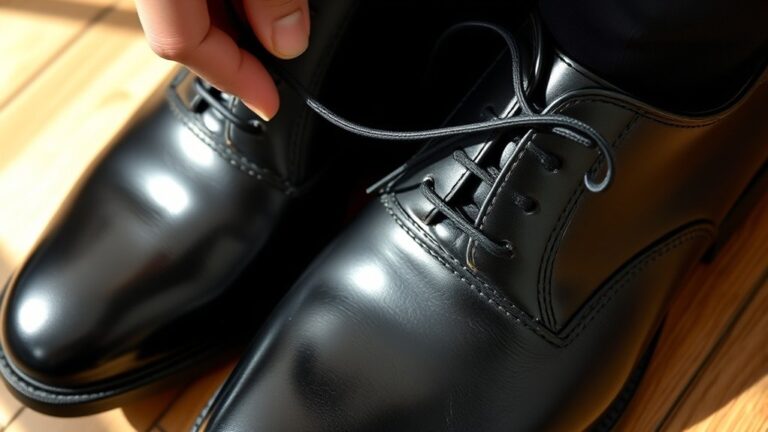
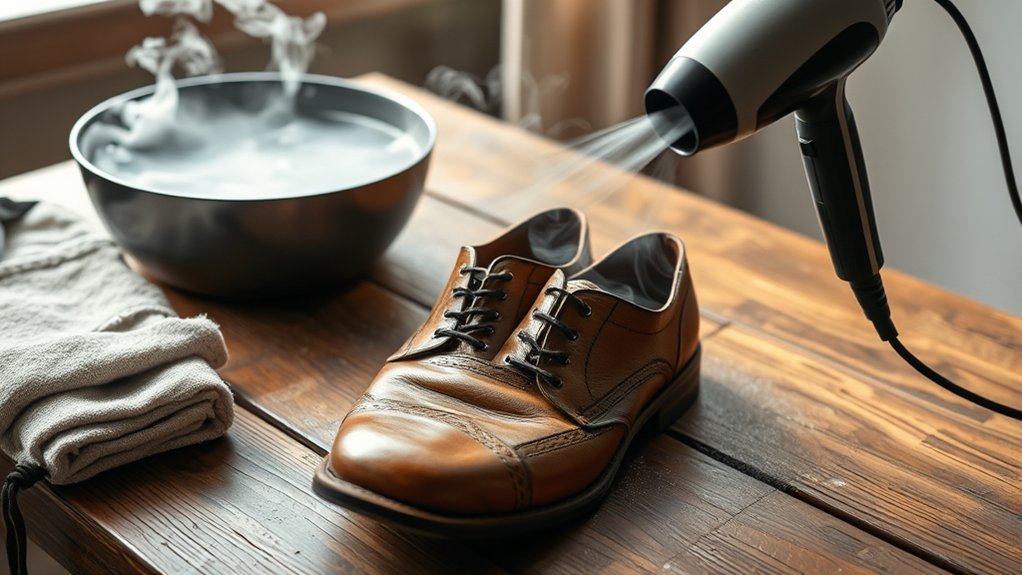
When shrinking leather shoes at home, you need to apply controlled heat and moisture carefully to avoid damaging the material. Start by dampening the shoes lightly with a spray bottle, then wear them as they dry to mold them to your feet, improving shoes sizing. Alternatively, use a blow dryer on low heat to warm the leather, which tightens fibers.
Always follow with proper leather care, applying conditioner to maintain flexibility and prevent cracking.
| Method | Tools Needed | Key Tips |
|---|---|---|
| Spray & Wear | Spray bottle | Use minimal moisture; dry slowly |
| Blow Dryer Heat | Blow dryer | Keep heat low; move evenly |
| Conditioning | Leather conditioner | Apply after shrinking for care |
Use these techniques to adjust shoes sizing safely without compromising leather integrity.
How to Safely Shrink Canvas and Fabric Shoes
Before shrinking your canvas or fabric shoes, make sure to clean and dry them properly to avoid damage. Use controlled heat methods like warm water exposure or a hairdryer to shrink the material evenly.
After shrinking, apply conditioner or allow the shoes to air dry fully to maintain their shape and durability.
Preparing Shoes For Shrinking
Why is it essential to prepare canvas and fabric shoes properly before shrinking? Proper preparation ensures shrink compatibility and prevents damage during the process. Before shrinking, conduct a sizing assessment to determine how much the shoes need to be reduced without compromising structure.
Start by:
- Cleaning the shoes thoroughly to remove dirt and oils that can interfere with water absorption.
- Inspecting the material for any weak spots or damage that shrinking might worsen.
- Testing a small, inconspicuous area with water and heat to verify shrink compatibility.
Taking these steps guarantees that your fabric shoes respond predictably to shrinking, optimizing results and preserving durability. Proper preparation is key to achieving the desired size reduction safely and effectively.
Effective Shrinking Techniques
A reliable shrinking method combines controlled moisture application with targeted heat exposure to reduce canvas and fabric shoes without compromising their structure. First, dampen the shoes evenly using a spray bottle to avoid oversaturation, ensuring moisture penetrates the fabric uniformly.
Next, apply heat through a hairdryer or place the shoes in a warm, well-ventilated area, monitoring them closely to prevent overheating. Check materials compatibility beforehand; some fabrics may react differently to heat or moisture, impacting shrinking safety.
Avoid direct contact with excessive heat sources and always test on a small section to gauge fabric response. This method carefully balances moisture and heat, enabling gradual shrinkage while maintaining shoe integrity.
Post-Shrink Care Tips
Once you’ve successfully shrunk your canvas or fabric shoes, maintaining their shape and durability requires careful post-shrink care. Establishing a consistent care routine ensures the fabric retains its form and prevents over-shrinking or damage. Here are essential care tips to follow:
- Air dry your shoes away from direct heat sources to preserve fabric integrity and avoid warping.
- Clean the shoes gently with a soft brush and mild detergent, avoiding excessive moisture that could distort the fit.
- Store shoes in a cool, dry place and use shoe trees or stuffing to maintain their new shape.
Adhering to these care tips will help you extend the lifespan of your shrunken shoes while keeping them comfortable and structurally sound.
Tips for Shrinking Suede Shoes Without Damage
To shrink suede shoes without causing damage, you need to apply water very gently to avoid saturating the material. Use controlled heat methods, like a low-setting hairdryer, to carefully encourage the fabric to contract.
These steps help maintain the shoe’s texture while achieving a better fit.
Gentle Water Application
How can you safely shrink suede shoes without risking damage? The key lies in applying gentle water to the soft fabric, allowing controlled shrinkage without compromising texture or structure. Follow these precise steps:
- Lightly mist the suede surface with a spray bottle to ensure even, minimal moisture absorption.
- Avoid soaking; excessive water weakens the nap and causes staining.
- After misting, let the shoes air dry naturally at room temperature to prevent harsh drying effects.
This method targets gradual fiber contraction while preserving the suede’s integrity. By using gentle water application, you maintain the softness and appearance of your shoes, avoiding common pitfalls like warping or stiffening. Always test on a small, hidden area first to confirm suitability for your specific suede type.
Controlled Heat Methods
Although suede is sensitive to heat, you can employ controlled heat methods to shrink your shoes without causing damage. Start by dampening the suede lightly to prepare the shrinking materials for heat exposure.
Use a hairdryer on a low or medium setting, maintaining a safe distance of at least six inches to ensure heat safety and prevent scorching. Move the dryer continuously over the shoe’s surface to distribute heat evenly. Avoid direct, prolonged contact with any one area.
After heating, wear the shoes immediately to mold them to your feet as they cool and contract. Controlled heat methods require careful monitoring to balance effective shrinking with suede’s delicate nature, preventing deformation or texture loss while achieving the desired fit.
What to Do If Your Shoes Still Feel Too Big
If your shoes still feel too big after initial adjustments, you can employ targeted techniques to improve the fit. Achieving an ideal shoe fit requires precise sizing tips and incremental modifications. Consider these effective options:
Use insoles or cushioned inserts: They reduce internal volume, enhancing snugness and comfort.
Apply heel grips or pads: These prevent heel slippage and improve overall fit without altering shoe size.
Wear thicker socks: This simple solution increases foot bulk, minimizing excess space inside the shoe.
Implementing these strategies allows you to fine-tune the fit without damaging the shoe’s structure. Always test each method incrementally to avoid over-tightening, and select materials compatible with your shoe type to maintain durability and comfort. By combining these techniques, you’ll optimize shoe fit effectively when standard shrinking methods fall short.
How to Stop Your Shoes From Stretching Again
Why do shoes stretch out over time, and what can you do to prevent it? Foot pressure and material fatigue cause stretching, especially in leather and fabric shoes. To maintain sizing accuracy, avoid wearing shoes that are too loose initially, as this exacerbates stretching.
Contrary to shrinkage myths, repeated heating or moisture exposure can weaken materials, making shoes more prone to distortion. Instead, use shoe trees to retain shape and absorb moisture after wear.
Additionally, apply a leather conditioner sparingly to maintain material flexibility without overstretching. If you notice excessive stretching, consider insoles or heel grips to improve fit without forcing shrinkage.
Frequently Asked Questions
Can Shoe Insoles Affect the Shrinking Process?
Yes, shoe insoles can affect shrinking by altering shoe material exposure to heat or moisture, impacting sizing accuracy.
Removing insoles guarantees uniform material contraction, helping achieve precise shoe size adjustments during the shrinking process.
Will Shrinking Shoes Damage Shoe Adhesives?
Yes, shrinking effects can compromise adhesive integrity, especially with heat or moisture exposure. You’ll want to apply controlled methods carefully to avoid weakening bonds, preventing shoe delamination or structural damage during the shrinking process.
How Often Can I Safely Shrink the Same Pair?
Like a blacksmith tempering steel, you shouldn’t shrink the same pair too often. Limit it to once every few months.
Prioritize safety considerations: repeated heat or moisture can weaken adhesives and materials, risking structural integrity.
Does Shoe Color Fade When Shrinking?
Yes, shoe color can fade during shrinking due to heat or moisture affecting dyes. To maintain shoes’ durability and prevent color fading, control temperature and shrink only when necessary. Use gentle methods suited for the material.
Can Shrinking Shoes Alter Their Comfort or Support?
Yes, shrinking shoes can alter their comfort and support. When you shrink fit shoes, the material tightens, which may reduce cushioning and arch support.
This change impacts the overall comfort and can potentially cause pressure points during wear.
Conclusion
You might think shrinking shoes is risky, but with the right methods, it’s both safe and effective. While leather tightens with heat and moisture, canvas demands gentle drying to avoid damage. Suede needs careful handling to maintain texture.
If they still feel loose, targeted adjustments can help. By understanding these differences and applying precise techniques, you’ll transform oversized shoes into a perfect fit—no guesswork, just reliable results every time.
With the proper approach, shrinking shoes becomes a manageable task that ensures comfort and style without compromising the material.