Are Converse Shoes Comfortable
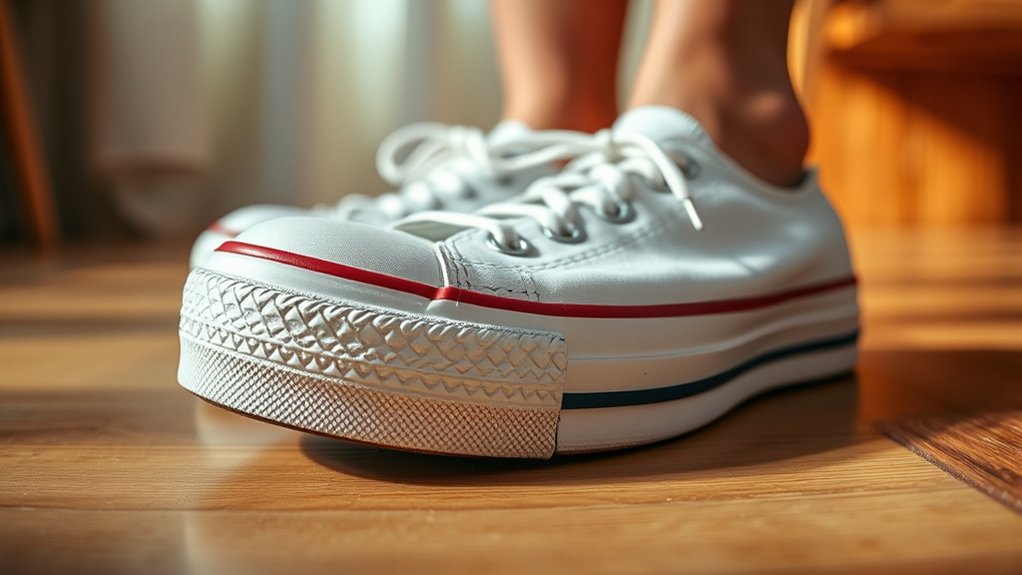
Converse shoes are known for their lightweight flexibility and breathable canvas upper, which contribute to their comfort for casual, short-term wear. These features make them a popular choice for everyday activities where style and ease are important.
However, their flat rubber sole and minimal arch support can limit shock absorption and long-term comfort. This is especially true for individuals with high arches or wide feet, who may find the fit less accommodating.
Some Converse models include enhanced cushioning and padded collars, offering better comfort for all-day wear. Additionally, you can improve comfort by using aftermarket insoles or adjusting sizing.
Exploring specific features and fit considerations will help you find the best Converse shoe option for your needs. This ensures you get both style and comfort tailored to your feet.
Key Takeaways
- Converse shoes have a flat rubber sole with minimal padding, offering limited shock absorption during extended wear.
- The canvas upper provides flexibility and breathability, contributing to lightweight comfort.
- Original models have minimal arch support, which may not suit those with high arches or specific foot needs.
- Some models include enhanced cushioning, padded collars, and adjustable lacing for improved all-day comfort.
- Using aftermarket insoles and gradual break-in can increase comfort, but wide feet or high arches may still face fit challenges.
Are Converse Shoes Comfortable for Everyday Wear?
How comfortable are Converse shoes for everyday wear? When evaluating this, you need to contemplate specific topic ideas such as sole cushioning, arch support, and breathability.
Converse shoes typically feature a flat rubber sole with minimal padding, which means you might experience limited shock absorption during extended use. This design can lead to comfort tradeoffs, especially if you require enhanced support or have foot conditions.
Converse shoes have a flat rubber sole with minimal padding, offering limited shock absorption during extended wear.
The canvas upper offers flexibility and breathability but lacks structural reinforcement, which might affect long-term comfort. If you prioritize lightweight, casual footwear, Converse can perform well for moderate daily activities.
However, for prolonged standing or walking, you should anticipate potential discomfort due to insufficient cushioning and arch support inherent in the original design. Understanding these tradeoffs helps you make an informed choice about everyday wear suitability.
What Makes Converse Shoes Comfortable?
Although Converse shoes have a minimalist design, several features contribute to their comfort. You’ll notice that the comfort fit stems from the shoe’s flexible sole and cushioned insole, which provide moderate support and adapt to your foot’s shape with wear.
The canvas upper enhances material breathability, allowing air circulation to reduce moisture and heat buildup during extended use. Additionally, the lightweight construction minimizes foot fatigue, while the low-profile design offers unrestricted ankle movement.
The vulcanized rubber sole also ensures reliable traction without compromising flexibility. While Converse shoes don’t offer advanced arch support, their straightforward engineering focuses on durability and basic comfort fit, making them suitable for casual wear where breathability and moderate cushioning are priorities.
Which Converse Models Work Best for All-Day Comfort?
Which Converse models provide the best all-day comfort depends on several design factors tailored to extended wear. You’ll want to focus on models featuring enhanced cushioning and improved arch support to reduce fatigue.
The Chuck Taylor All Star CX, for example, incorporates a responsive insole with reinforced midsole foam, improving model durability and comfort during prolonged use. Additionally, the One Star Pro integrates a padded collar and higher-quality materials that maintain structure over time.
Lace customization plays a crucial role here; adjustable lacing systems allow you to fine-tune fit and pressure distribution, preventing hotspots and discomfort. Prioritizing models with these technical features ensures you get the durability and ergonomic support necessary for all-day wear without compromising Converse’s iconic style.
How Your Foot Shape Affects Converse Shoe Fit
Why does your foot shape matter when choosing Converse shoes? Because Converse designs typically feature a narrow, flat sole with minimal arch support, your foot shape directly impacts shoe fit and comfort.
Your foot shape affects fit and comfort due to Converse’s narrow, flat sole and minimal arch support.
If you have a wide foot, you might find the shoe tight across the midfoot and toes, causing discomfort and pressure points. Conversely, if your foot is narrow, the shoe may feel loose, reducing stability.
Additionally, high arches can affect how your foot sits within the flat Converse sole, potentially leading to inadequate support. Understanding your foot shape, including width, arch height, and toe box dimensions, helps you assess whether standard Converse models will provide a proper shoe fit.
This technical awareness ensures you select a pair that aligns with your anatomical needs for better wearability.
How to Improve Comfort and When Converse Shoes Might Not Work
How can you enhance comfort when wearing Converse shoes despite their minimalist design? Start by selecting aftermarket insoles with superior cushioning and arch support, as the original soles provide limited shock absorption.
Conduct comfort testing by wearing the shoes for extended periods and noting pressure points, especially around the heel and ball of the foot. Ensure the toe box fit is not too narrow; if you experience pinching or discomfort, consider sizing up or opting for wide-fit models.
Additionally, break in your Converse gradually to allow the canvas material to conform to your foot shape. However, Converse shoes might not work if you have high arches, require substantial orthotic support, or if prolonged standing causes discomfort despite modifications.
In such cases, alternative footwear designed for enhanced support may be necessary.
Frequently Asked Questions
Are Converse Shoes True to Size?
Converse sizing runs true to size for most, but their flat sole and narrow design might require trying half a size up for a comfortable fit.
Measure foot length precisely to ensure optimal fit and comfort.
How Do Converse Shoes Hold up in Wet Weather?
Converse shoes lack built-in waterproofing, so they don’t hold up well in wet weather. You should apply waterproofing tips like spray sealants to improve water resistance.
Rely on their rubber soles for moderate grip performance on slippery surfaces.
Can Converse Shoes Be Machine Washed?
Machine washing your Converse can cause cracking, color fading, and weakening of fabric fibers. Since they lack arch support, hand washing is safer to preserve structure and longevity, ensuring your shoes stay sturdy and stylish.
Do Converse Shoes Have Arch Support?
Converse shoes lack traditional arch support, relying on non-traditional cushioning that offers minimal impact absorption. However, they provide moderate ankle support due to their high-top design, which stabilizes your ankle during lateral movements effectively.
Are Converse Shoes Suitable for Sports Activities?
Picture running on thin ice. Converse shoes lack cushioning and arch support, making them unsuitable for intense sports. Their comfort critique and durability debate highlight limited shock absorption and wear resistance, so they don’t meet athletic demands effectively.