What Are Good Running Shoes for Women
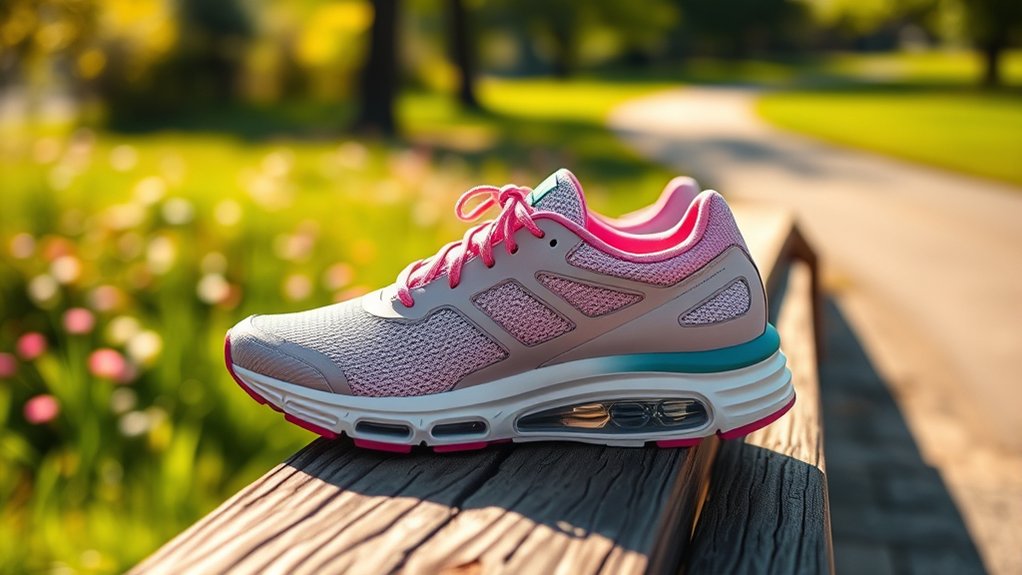
You need good running shoes for women designed specifically for women’s unique foot shape—narrower heels, higher arches, and different weight distribution—to ensure proper support and reduce injury risk. Look for lightweight, flexible materials with tailored cushioning and stability suited to your arch type and gait.
Top models like Nike Air Zoom Pegasus and Brooks Ghost balance comfort, shock absorption, and responsiveness. If you want tailored advice on fit, foot type, and ideal shoe features, there’s more detailed guidance ahead.
Key Takeaways
- Good women’s running shoes offer tailored fit, cushioning, and stability to match unique female foot anatomy and biomechanics.
- Proper arch support and gait analysis improve comfort and prevent injuries by addressing individual foot type and pronation.
- Lightweight, breathable materials with durable outsoles enhance performance and provide traction on various running surfaces.
- Popular models like Nike Air Zoom Pegasus, Brooks Ghost, ASICS Gel-Nimbus, and Saucony Kinvara balance cushioning, responsiveness, and support.
- Accurate sizing, measured at day’s end and tested with running socks, ensures optimal fit and long-term comfort.
Why Women’s Feet Need Special Running Shoes
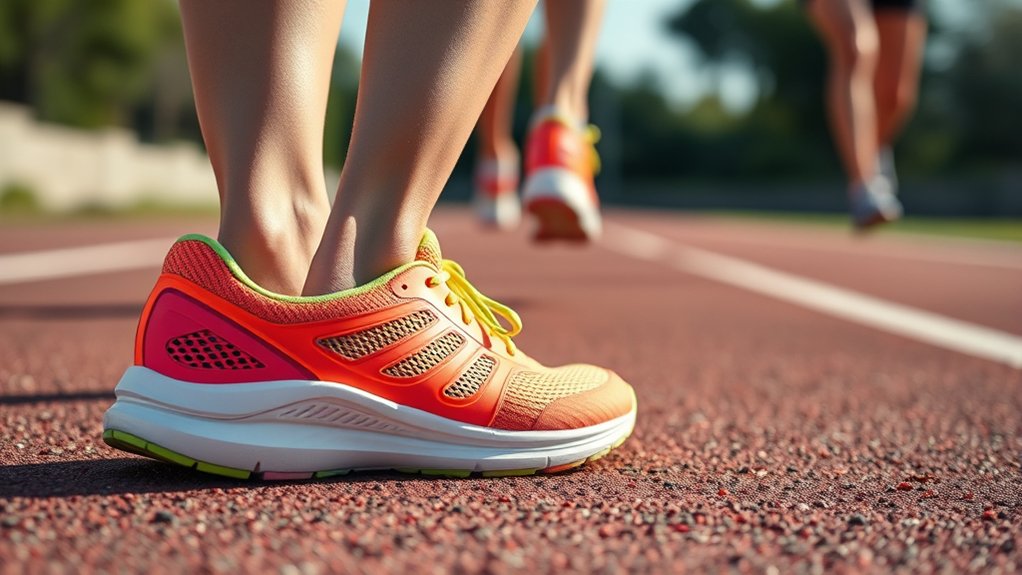
Why do women’s feet require specialized running shoes? Women’s feet generally differ anatomically from men’s, including narrower heels, higher arches, and different weight distribution. These distinctions necessitate running shoes designed to accommodate unique biomechanics and reduce injury risk.
Additionally, material composition plays a critical role; manufacturers often select lighter, more flexible materials tailored to women’s foot dynamics, ensuring optimal support and breathability. While fashion trends influence aesthetic aspects, such as color palettes and shoe silhouette, they don’t compromise functional design.
Specialized shoes incorporate both performance-driven material choices and ergonomic structures to enhance comfort and efficiency during running. By addressing these gender-specific factors, women’s running shoes provide superior fit, cushioning, and stability compared to standard unisex models.
How to Find the Right Fit and Size for Women’s Running Shoes
To find the right fit and size for women’s running shoes, start by accurately measuring your feet, preferably at the end of the day when they are largest. Pay close attention to arch support, as it influences comfort and injury prevention.
Always test the shoe’s comfort by trying them on and walking or jogging briefly before purchasing.
Measure Your Feet
How do you ensure your running shoes fit perfectly? Begin by measuring your feet accurately, as proper foot sizing is critical for comfort and injury prevention. Use a Brannock device or ruler to measure both length and width while standing.
Measure your feet later in the day when they are slightly swollen to get the most accurate size. Record measurements in centimeters or inches, noting that foot sizing can vary between brands.
Measure both feet because one may be larger; fit your shoes to the larger foot. Consider re-measuring every six months, as foot size can change over time.
Accurate measurement forms the foundation for selecting running shoes that provide optimal support and performance, ensuring your training remains safe and effective.
Consider Arch Support
Several factors influence your choice of running shoes, but arch support plays a pivotal role in assuring proper fit and injury prevention. Proper arch alignment stabilizes your foot, distributes pressure evenly, and reduces strain on muscles and ligaments.
When selecting shoes, consider your arch type, low, neutral, or high, and choose models designed to accommodate that structure.
Key points to evaluate arch support include:
- Assess if the shoe maintains natural arch alignment during movement
- Verify cushioning that complements your arch height and pronation
- Ensure the midsole offers adequate support without restricting flexibility
- Confirm the shoe’s design prevents overpronation or supination issues
Prioritizing arch support helps prevent common injuries and enhances overall running efficiency.
Test Shoe Comfort
Why does shoe comfort matter so much when finding the right fit and size for women’s running shoes? Proper shoe comfort ensures injury prevention, enhances performance, and supports natural foot mechanics.
When testing shoe comfort, you should wear the shoes with your typical running socks and walk or jog briefly. Pay attention to any pressure points, tightness, or excessive looseness.
Conducting a gait assessment can further refine your choice, as it evaluates how your feet strike the ground and distribute weight during movement. This information guides you to shoes that accommodate your stride and foot structure.
Choosing Running Shoes by Foot Type
To choose the right running shoes, start by identifying your arch type: low, neutral, or high. This classification affects how your foot strikes the ground and influences shoe support needs.
You’ll also want to match your shoes to your gait to ensure proper alignment and reduce injury risk.
Identifying Your Arch Type
How do you determine which running shoes suit your foot best? Start by identifying arch type, a critical factor in selecting appropriate footwear. Addressing arch type questions helps you understand foot mechanics and prevents injury.
To identify your arch type, consider these methods:
- Wet Test: Wet your foot and step on paper; observe the imprint to classify low, normal, or high arch.
- Visual Inspection: Examine your foot’s side profile for arch height.
- Foot Flexibility: Assess how much your arch flattens under weight-bearing.
- Professional Assessment: Consult a podiatrist for precise arch evaluation.
Knowing your arch type guides you in choosing shoes with proper support and cushioning, ensuring optimal running performance and injury prevention.
Matching Shoes To Gait
Once you understand your arch type, the next step involves evaluating your gait to select running shoes that complement your foot mechanics. Gait alignment plays a crucial role in determining the appropriate shoe type, as it affects how your foot strikes and pushes off the ground.
You’ll want to analyze whether you have a neutral, overpronated, or underpronated gait. Each requires specific shoe features to support proper alignment and prevent injury. Additionally, shoe timing, the phase in your stride cycle when your foot contacts the shoe, must be considered to ensure optimal cushioning and stability.
Choosing shoes that match your gait alignment optimizes performance and reduces stress on joints. Consulting a professional gait analysis can provide precise data to guide your shoe selection effectively.
Key Features to Look for in Women’s Running Shoes
Why does selecting the right features in women’s running shoes matter? Choosing shoes with suitable characteristics directly impacts comfort, injury prevention, and performance. Understanding these features helps you make informed decisions aligned with your running needs and biomechanics.
Selecting the right running shoes enhances comfort, prevents injuries, and boosts performance by matching your unique biomechanics.
Focus on:
- Proper cushioning to absorb impact and reduce joint stress.
- Arch support tailored to your foot’s structure for stability.
- Lightweight construction incorporating new trends like breathable mesh and eco materials, enhancing comfort and sustainability.
- Durable outsole design for reliable traction on varied surfaces.
Best Women’s Running Shoes for Road, Trail, and Marathon Runs
Where should you start when choosing the best women’s running shoes for road, trail, or marathon runs? First, identify the specific terrain and distance you’ll cover. Road running shoes typically offer lightweight cushioning and smooth treads for pavement, while trail shoes provide enhanced grip and durability for uneven surfaces.
Marathon shoes focus on long-distance comfort, combining shock absorption with breathable materials. Consider models that deliver excellent support without excess weight. To maximize value, compare options that offer the best price without compromising performance.
Additionally, evaluate color options if aesthetics matter to you, as some brands provide a wider palette to match your style. Prioritize shoes that balance function, comfort, and affordability to ensure peak performance across your chosen running environment.
Top Brands and Models for Women Runners
Understanding the terrain and distance helps narrow down the best running shoe options, but selecting the right brand and model completes the decision-making process. When evaluating top brands and models for women runners, consider recent running shoe brand comparisons and model releases for women to identify innovations tailored to female biomechanics.
Leading brands consistently deliver performance, durability, and comfort. Notable models include:
- Nike Air Zoom Pegasus: versatile for various distances and terrains.
- Brooks Ghost: known for cushioning and stability.
- ASICS Gel-Nimbus: excels in shock absorption.
- Saucony Kinvara: lightweight with responsive cushioning.
Frequently Asked Questions
How Often Should Women Replace Their Running Shoes?
You should replace your running shoes every 300 to 500 miles, ensuring age-appropriate footwear that supports your biomechanics.
Prioritize budget-friendly options without compromising quality to maintain prime performance and reduce injury risk.
Can Running Shoes Help Prevent Common Injuries?
Yes, running shoes can help prevent injuries by providing proper support and cushioning. Advanced shoe technology improves shock absorption and stability, reducing strain on muscles and joints.
This lowers your risk of common running injuries effectively.
Are There Eco-Friendly Running Shoe Options for Women?
Yes, you can find eco-friendly running shoes for women that prioritize sustainable material sourcing. Brands use recycled plastics, organic cotton, and natural rubber to reduce environmental impact.
These materials help maintain performance and durability in their designs.
How to Clean and Maintain Women’s Running Shoes?
You don’t want your shoes smelling like a locker room, so remove odor by air-drying and using baking soda.
Restore cushioning by rotating shoes and avoiding machine washing to keep their support intact and precise.
Do Running Shoes Affect Running Performance Significantly?
Yes, running shoes substantially impact your running efficiency by optimizing footwear biomechanics. Proper shoes reduce injury risk, improve stride, and enhance energy return, directly influencing your overall performance and comfort during runs.
Conclusion
Choosing the right running shoes for women is like finding the perfect key to open your true potential. With the right fit, support, and design tailored to your foot type and running style, you empower every step to be efficient and injury-free.
Remember, your shoes are more than gear—they’re the foundation of your journey. Invest wisely, and you’ll run not just with your feet, but with confidence and strength guiding you forward.
Ultimately, selecting good running shoes for women is essential to unlocking your best performance and enjoying every mile along the way.