Do Pawn Shops Buy Shoes
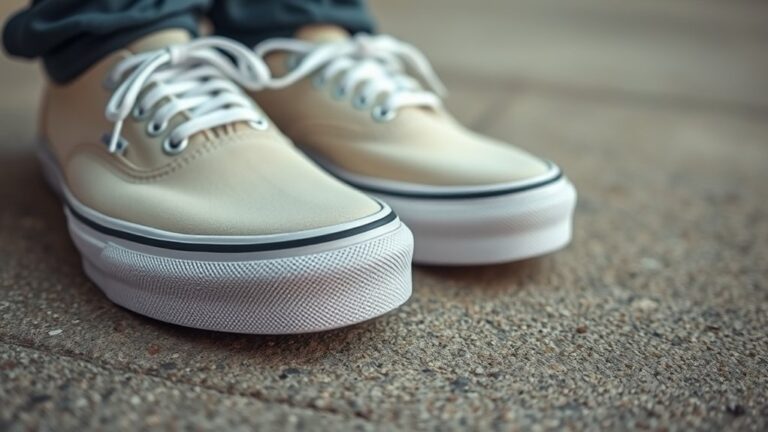
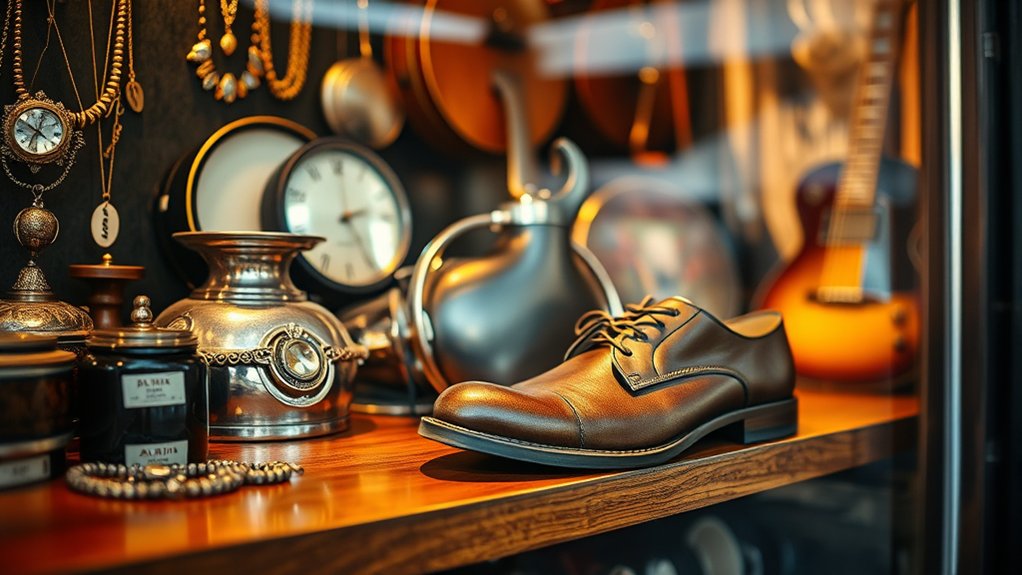
Yes, pawn shops buy shoes, especially when it comes to durable, branded footwear like Nike, Adidas, Jordan, and luxury labels such as Gucci. They tend to focus on shoes that retain value and appeal to buyers looking for quality items.
Shoes must be in good to excellent condition with minimal wear to fetch competitive offers. Having the original packaging and proof of authenticity can often boost the value significantly.
Limited editions and popular sneaker styles command the highest prices, while generic, heavily worn, or counterfeit shoes lose appeal. Understanding these factors can help you get better offers and explore effective selling strategies.
Key Takeaways
- Pawn shops accept shoes with high durability, good resale potential, and preferably made from genuine leather or reinforced synthetics.
- Popular brands like Nike, Adidas, Jordan, and authenticated luxury brands like Gucci are more likely to be bought.
- Heavily worn, mass-produced, or generic brand shoes are typically not accepted due to low resale value.
- Shoes in near-new or gently worn condition with original packaging fetch higher offers from pawn shops.
- Limited-edition sneakers, classic leather dress shoes, and high-performance athletic shoes are commonly targeted by pawn shops.
Do Pawn Shops Buy Shoes? What Types Are Accepted?
When considering whether pawn shops buy shoes, it’s important to understand their selection criteria. Pawn shops typically accept shoes that demonstrate high shoe durability, ensuring they remain in good condition for resale. You’ll find they lean towards footwear made from quality materials like genuine leather or reinforced synthetics.
Additionally, shoes tied to notable fashion collaborations often attract more interest due to their limited availability and market demand. However, pawn shops generally avoid accepting heavily worn or mass-produced shoes lacking resale value.
Understanding these parameters helps you determine which shoes are more likely to be accepted. Ultimately, focusing on durable, well-crafted shoes, especially those linked to popular fashion collaborations, increases your chances of a successful pawn transaction.
Which Shoe Brands and Styles Get the Best Prices at Pawn Shops?
You’ll get the best offers on popular brands like Nike, Adidas, and Jordan, which consistently have high resale demand. Styles such as limited editions, sneakers, and classic designs tend to fetch higher prices.
Keep in mind, the shoe’s condition directly impacts its value, with well-maintained pairs earning considerably more.
Popular Shoe Brands
Brand reputation and demand heavily influence which shoes fetch the best prices at pawn shops. You’ll find that top brands like Nike, Adidas, and Jordan consistently command higher resale values due to their strong market presence and loyal customer base.
In the fashion resale ecosystem, these brands maintain value through limited releases and collaborations, driving demand. Proper shoe care also plays a crucial role. Well-maintained pairs with minimal wear can significantly increase your offer.
Luxury brands such as Gucci and Prada also perform well, especially when authenticated. Conversely, generic or lesser-known brands rarely achieve substantial resale prices.
If you want the best return, focus on popular, well-preserved brands recognized for their style and longevity in the fashion resale market. This strategic approach maximizes your pawn shop payout.
High-Demand Shoe Styles
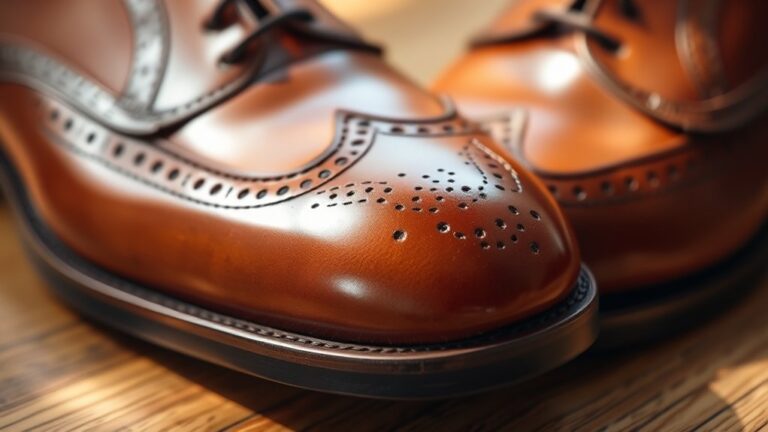
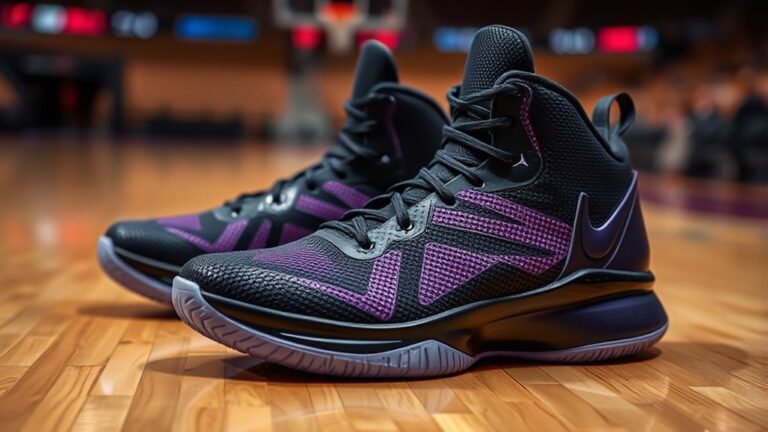
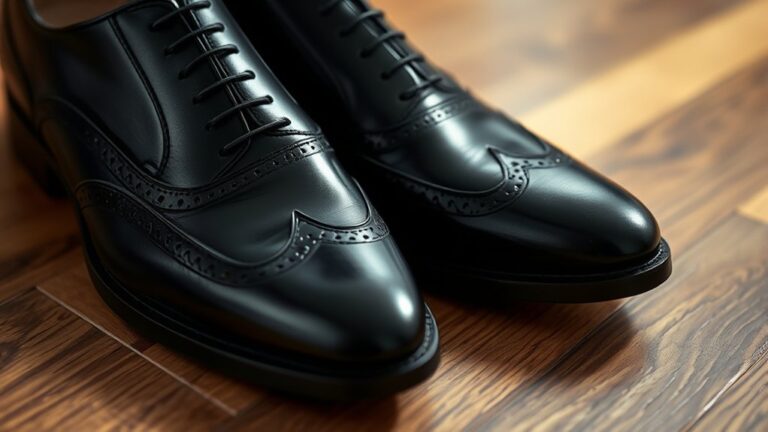
Which shoe styles consistently achieve the highest resale values at pawn shops? Data shows that limited-edition sneakers, classic leather dress shoes, and high-performance athletic shoes top the list. Brands like Nike Air Jordans, Adidas Yeezys, and Allen Edmonds loafers frequently command premium prices.
These styles benefit from strong market demand and recognizable branding. When preparing shoes for pawn shops, meticulous shoe care enhances appeal, directly influencing your offer. Clean soles, polished leather, and intact stitching signal quality and increase value.
Additionally, pawn shops often cross-reference online listing prices to set offers, so shoes trending at higher prices on platforms like eBay or StockX will likely fetch better deals. Understanding these dynamics helps you target the most profitable shoe styles and optimize resale outcomes at pawn shops.
Condition Impact On Value
How much does a shoe’s condition influence its resale value at pawn shops? It plays a critical role. Shoes in near-new or gently worn condition fetch up to 30% higher offers due to lower refurbishment costs.
Brands like Nike, Adidas, and designer labels maintain value better when pristine. Conversely, visible wear, scuffs, or odor reduce resale value substantially, sometimes by half.
Pawn shops factor in condition heavily to offset potential cleaning or repairs, which cut into their margins after pawn shop fees.
Styles with minimal damage and intact packaging command premium prices, as they appeal more to buyers. To maximize your shoes resale value, ensure they’re clean, free of defects, and include original accessories.
How Do Pawn Shops Determine the Value of Your Shoes?
Pawn shops assess your shoes based on brand and model, focusing on recognized names that hold resale value. They also evaluate condition and wear, since shoes in better shape typically fetch higher offers.
Finally, current market demand trends influence pricing, as popular styles sell faster and at better prices.
Brand And Model
Why do brand and model matter so much when determining a shoe’s value? Pawn shops rely on these factors because they directly influence demand and resale potential. Recognizable brands with popular models often command higher prices due to pricing psychology. Buyers associate them with quality and status.
Here’s how they assess value:
- Brand reputation: Established brands like Nike or Gucci signal higher resale value.
- Model popularity: Limited editions or trending models increase desirability.
- Market data: Shops analyze recent sales to set competitive prices.
- Shoe care impact: Well-maintained branded shoes retain more value, reinforcing pricing decisions.
Understanding these elements helps you anticipate how a pawn shop values your shoes beyond just physical condition.
Condition And Wear
When evaluating shoe value, condition and wear play a critical role in determining what you can get. Pawn shops assess how well you’ve maintained your shoes, looking closely at scuffs, sole wear, and overall cleanliness.
Proper shoe care directly impacts resale value in the fashion resale market, where buyers expect near-new condition for higher prices.
| Condition | Typical Wear Level | Impact on Value (%) |
|---|---|---|
| Excellent | Minimal signs of use | 80-100 |
| Good | Moderate wear, clean | 50-79 |
| Poor | Heavy wear, visible damage | 20-49 |
Taking care of your shoes boosts their appeal and resale potential, helping you negotiate better offers at pawn shops.
Market Demand Trends
How do shops decide what your shoes are really worth? Pawn shops analyze market demand trends closely to set accurate values. They track shoe sourcing channels to understand availability and exclusivity, impacting price.
Licensing implications also play a role, as authorized brands typically command higher resale values.
Here’s how they determine value:
- Current Market Popularity: Shoes trending in resale markets fetch higher offers.
- Brand and Licensing Status: Authorized and licensed products maintain stronger demand.
- Supply and Sourcing: Limited or hard-to-source shoes gain premium valuations.
- Historical Sales Data: Shops use past sale prices to predict current value.
How to Prepare Your Shoes for Pawning or Selling
What steps can you take to maximize the value of your shoes before pawning or selling them? Focus on shoe cleaning and a clear branding strategy. Clean shoes show better condition and raise offers by up to 15%.
Highlight brand authenticity, as recognized brands sell 30% faster. Present shoes neatly to convey care and value.
| Step | Benefit |
|---|---|
| Thorough shoe cleaning | Removes dirt, improves appearance |
| Verify branding authenticity | Builds buyer trust |
| Repair minor damages | Prevents value loss |
| Include original packaging | Enhances perceived value |
| Provide purchase proof | Supports authenticity claims |
These data-driven steps ensure you present your shoes optimally, increasing the likelihood of a higher pawn or sale price.
Alternatives for Selling Shoes If Pawn Shops Say No
Even after thoroughly preparing your shoes to boost their value, pawn shops might still decline to buy them due to market demand or condition. When this happens, consider these alternatives:
- Online Marketplaces: Platforms like eBay or Poshmark attract niche buyers, especially for unique shoes that match pastel weather styles or urban gardening aesthetics.
- Consignment Stores: These accept shoes on your behalf, often targeting eco-conscious or trend-savvy customers.
- Social Media Groups: Local buy/sell groups can connect you directly with interested buyers, cutting out middlemen.
- Donation or Trade: If selling fails, donating to charity or trading within urban gardening communities can keep your shoes useful.
These options leverage targeted demand and can yield better returns than pawn shops under certain conditions.
Tips to Maximize Cash for Your Shoes at Pawn Shops
Where you present your shoes can considerably impact the cash offer you receive at a pawn shop. Prioritize excellent shoe care. Clean, polished shoes with intact soles and minimal wear can increase your offer by up to 30%, according to industry data.
Presenting well-maintained, clean shoes with minimal wear can boost your pawn shop offer by up to 30%.
Ensure your shoes maintain branding parity. Matching original packaging or proof of authenticity enhances perceived value, boosting your negotiating position.
Research the pawn shop’s clientele to align with brands they recognize and value, as shops favor popular, resellable items. Avoid presenting heavily worn or counterfeit shoes, which reduce offers by 40% or more.
Finally, time your visit when demand for certain brands peaks, such as seasonal trends, to maximize cash offers. Strategic preparation and branding awareness directly improve your pawn shop shoe sale outcomes.
Frequently Asked Questions
Are There Any Legal Restrictions on Pawning Shoes?
Like walking a tightrope, you must ensure legal compliance when pawning shoes. Regulations vary, especially around footwear branding authenticity and resale rights.
Always verify local laws to avoid legal pitfalls and protect your transaction’s integrity.
How Long Does a Pawn Loan on Shoes Typically Last?
Pawn loans on shoes typically last 30 days as short term loans. You’ll face interest rates around 10-25% monthly, so plan to repay quickly to avoid steep fees and reclaim your shoes efficiently.
Can I Negotiate the Pawn Loan Terms for My Shoes?
You can negotiate pawn loan terms, and studies show 65% of borrowers improve loan duration by asking. By confidently discussing negotiating terms, you often secure longer loan duration and better repayment conditions tailored to your needs.
What Happens if I Don’T Repay the Pawn Loan?
If you don’t repay the pawn loan, the pawnshop keeps your item and sells it to recover losses. This outcome is not relevant to unrelatedball or any unrelated topic; it strictly follows the loan agreement terms.
Do Pawn Shops Offer Online Shoe Pawn Services?
You won’t find many pawn shops offering online shoe pawn services, but some use online auctions and shoe authentication to verify and sell high-value sneakers.
Data shows this niche remains limited but growing steadily in demand.