What Shoes Are These
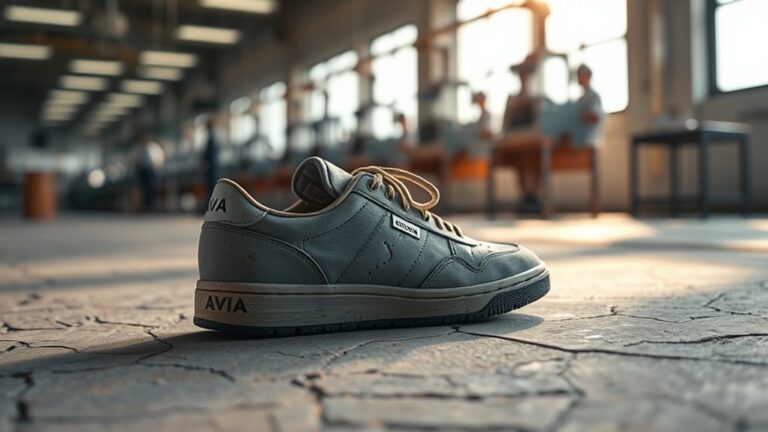
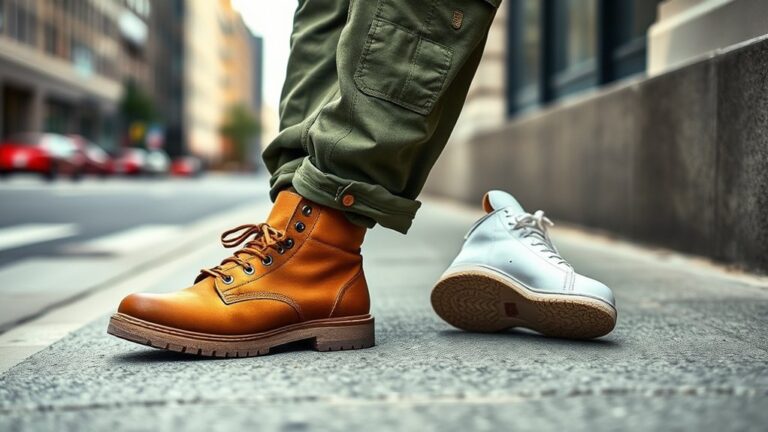
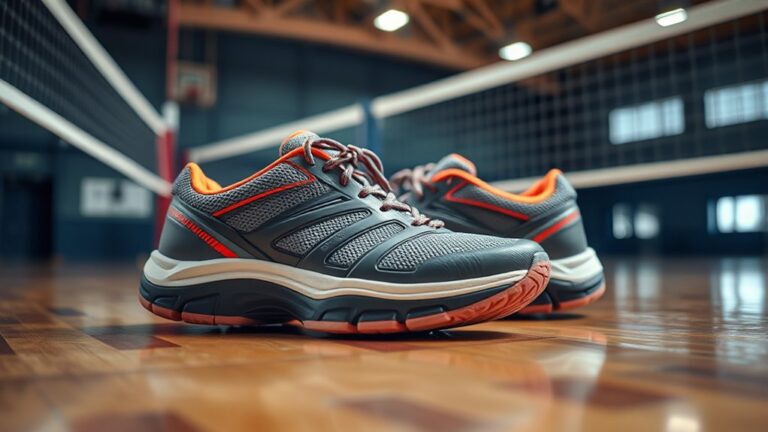
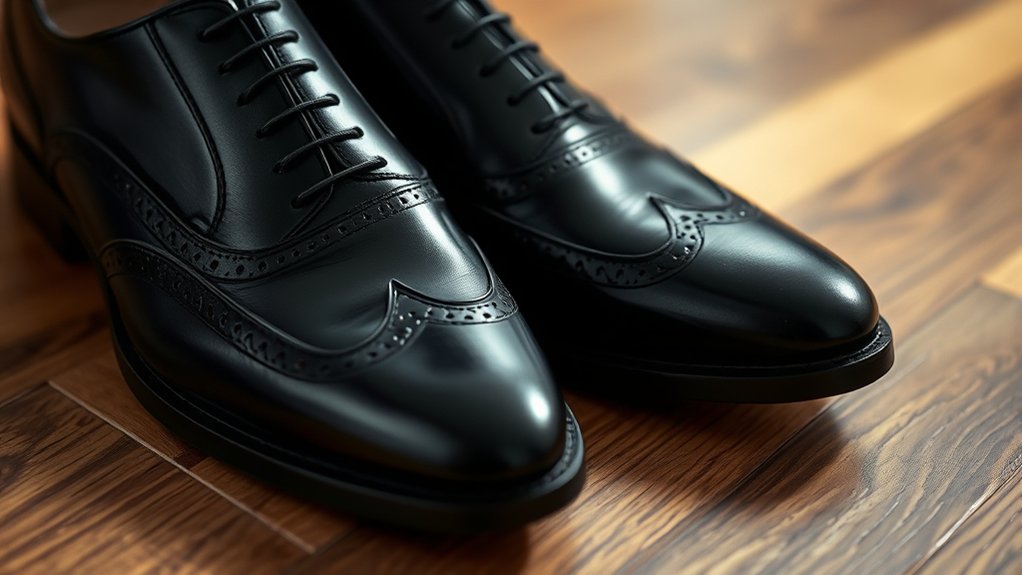
You can identify what shoes are these by closely examining their dimensions—length, width, and sole thickness—alongside specific colorways on the upper, midsole, and outsole. Check for distinct material textures, toe box shape, heel counter design, and outsole tread patterns.
Spot brand logos on heel tabs or tongues and note signature silhouette cues. Using tools like Google Lens or shoe-identifying apps helps, but honing your eye on technical details and construction will reveal the model and authenticity.
Let’s explore these methods further for precise identification.
Key Takeaways
- Examine shoe dimensions, colorways, and material texture to identify the shoe model and variant beyond visible branding.
- Look for brand logos on heel tabs, tongues, and sides, alongside distinctive color palettes and silhouette cues.
- Recognize iconic design elements and emblem placements linked to specific shoe models and their cultural significance.
- Use tech tools like Google Lens, shoe identifier apps, and social media AI bots to quickly match shoe images to models.
- Analyze photos for silhouette, sole thickness, panel arrangement, and lighting effects to accurately discern shoe details visually.
Key Features for Identifying Shoes
When identifying shoes, you’ll want to focus on several key features that distinguish one pair from another. Start by examining the shoe dimensions, including length, width, and sole thickness, as these measurements help differentiate models designed for specific functions or foot types.
Next, analyze the colorways, the specific combinations and patterns of colors applied to the upper, midsole, and outsole, which often signal unique editions or collaborations. Pay attention to material texture and layering within these colorways, as they contribute to the shoe’s overall profile.
Additionally, inspect structural elements like toe box shape, heel counter design, and outsole tread patterns. By systematically evaluating these technical details, you can accurately identify the shoe’s model and variant without relying solely on branding or logos.
Spotting Popular Shoe Brands and Logos on Shoes
Beyond analyzing the physical characteristics and dimensions of a shoe, recognizing brand-specific logos and design elements plays an essential role in identification. When you spot brand logos, you tap into a shoe’s unique identity shaped by its color palettes and silhouette cues. These visual markers often tie back to the footwear history of the brand, revealing authentic details that separate originals from replicas.
Examine logo placement: heel tabs, tongues, and lateral sides.
Note distinctive color palettes that brands consistently use.
Observe silhouette cues like sole shape or panel stitching.
Reference historical design elements that brands maintain across collections.
Recognizing Iconic Shoe Models and Styles
How do you distinguish an iconic shoe model from the countless designs on the market? Start by understanding its shoe history: iconic models often introduced innovative features or materials that redefined footwear.
Distinguish iconic shoes by exploring their history and the groundbreaking features that transformed footwear design.
Pay attention to unique design elements, such as the Air Jordan 1’s high-top silhouette or the Adidas Stan Smith’s minimalist leather upper, that set these shoes apart.
Recognizing the cultural impact is essential; these shoes transcend function, becoming symbols in music, sports, or fashion movements.
Look for consistent visual cues like signature sole patterns, stitching styles, or emblem placements that remain unchanged through iterations.
Tech and Apps for Identifying Shoes
Where can you turn when a shoe’s model or brand isn’t immediately obvious? You can rely on specialized tech and apps designed for precise shoe identification. These tools use AI-powered image recognition to analyze shoe details, helping you manage your shoe storage efficiently and make smart decisions when budgeting footwear.
Key options include:
- Google Lens: Snap a photo; it scans and matches shoe models with high accuracy.
- Shoe Identifier Apps: Dedicated apps like “Shoe Finder” compare your image against extensive databases.
- eBay and StockX: Platforms with built-in search tools for verifying shoe authenticity and pricing.
- Social Media AI Bots: Bots on platforms like Instagram identify rare or limited-edition shoes instantly.
Using these technologies, you streamline identification, optimize storage, and budget footwear purchases wisely.
Tips for Recognizing Shoes in Photos and Videos
While tech and apps can quickly identify shoes, understanding the visual cues in photos and videos sharpens your ability to recognize models without relying solely on digital tools. Focus on key fashion metrics like silhouette, sole thickness, and panel arrangement.
Effective shoe photography highlights these details, aiding your visual analysis. Pay attention to lighting and angle to discern texture and color accurately.
| Feature | What to Look For |
|---|---|
| Silhouette | Shape and overall profile |
| Sole Thickness | Height and tread pattern |
| Panel Arrangement | Position and number of overlays |
| Color & Texture | Material appearance under lighting |
How to Use Shoe Materials and Construction to Identify Them
Why do shoe materials and construction matter when identifying footwear? Because these elements reveal key information about a shoe’s origin, purpose, and authenticity. By analyzing shoe materials and construction methods, you can distinguish brands and models with precision.
Focus on these factors:
- Material type: Leather, mesh, synthetic, each indicates specific manufacturing and use.
- Stitching patterns: Double stitching, zig-zag, or glued seams reflect particular construction techniques.
- Sole composition: Rubber, EVA, or polyurethane soles vary by brand and design era.
- Insole and lining: Foam density and fabric choice often link to specific shoe lines.
Understanding these construction techniques and shoe materials lets you identify subtle differences others might miss, sharpening your footwear recognition skills.
Where to Ask for Help When You Can’t Identify Shoes
Struggling to pinpoint a shoe’s identity? Knowing where to ask can streamline identifying shoes with technical accuracy. Start by consulting specialized online forums like StyleForum or TheShoeSnob, where enthusiasts and experts dissect components such as sole patterns, stitching, and branding nuances.
Social media platforms, especially dedicated Facebook groups or Instagram shoe communities, also offer real-time feedback from knowledgeable collectors. For physical examination, visiting boutique retailers or cobblers skilled in shoe craftsmanship can provide insight into materials and construction methods.
Additionally, databases like the Shoe Museum’s digital archive catalog detailed images and specs to cross-reference. When identifying shoes, provide clear photos highlighting soles, eyelets, and labels to get precise assistance. Leveraging these targeted resources ensures you decode even the most obscure footwear efficiently.
Frequently Asked Questions
How Do I Clean and Maintain Different Types of Shoes?
Think of your shoes like a spacecraft. Space age materials need precise care. Use color stable finishes for lasting vibrancy, and follow specific footwear care routines to maintain material integrity and appearance over time.
Leather conditioning, suede brushing
What Are the Best Shoes for Running Long Distances?
You’ll want running shoes with excellent long distance cushioning to absorb impact and reduce fatigue.
Prioritize models offering running shoe durability, featuring reinforced midsoles and abrasion-resistant outsoles for consistent support and longevity on varied terrains.
How Can I Tell if Shoes Are Authentic or Fake?
You can verify authenticity by checking authentic verification markers like serial numbers, stitching quality, and material consistency.
Watch for counterfeit indicators such as uneven logos, poor glue application, and incorrect packaging to ensure genuine shoes.
What Shoe Sizes Correspond Between Different Countries?
You’ll find shoe sizing varies by country, so use detailed country conversions charts for precision. International sizing differs in length and width measurements, so always compare shoe sizes carefully to ensure accurate fitting across regions.
How Do I Choose Shoes for Specific Foot Problems?
You should measure foot width accurately using a Brannock device or tape, then select shoes with ample toe box space.
Incorporate orthopedic inserts tailored to your arch and pressure points for ideal support and comfort.