Can You Spray Paint Shoes
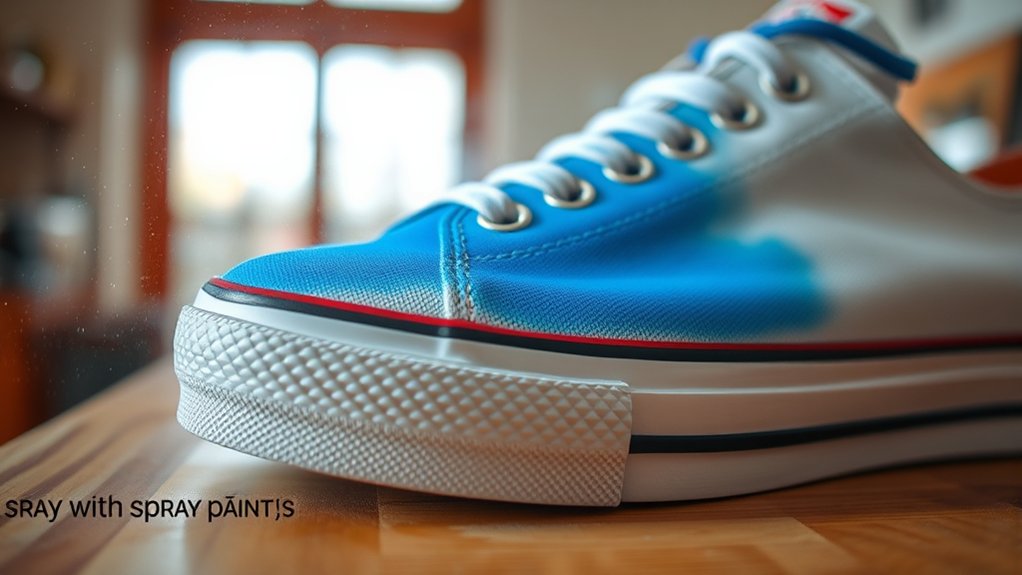
Yes, you can spray paint shoes effectively by thoroughly cleaning and drying them first to assure paint adhesion. Spray painting shoes requires using acrylic-based spray paints formulated for your shoe material, and applying a primer for durability.
Hold the can 6–8 inches away, spraying thin, even coats with drying time between layers. Mask off soles and eyelets carefully to avoid unwanted paint spots.
Finish with a clear protective sealant to extend longevity. With the right materials and techniques, you’ll achieve a professional-looking result—explore further for detailed steps and care tips.
Key Takeaways
- Yes, you can spray paint shoes using fabric, leather, or synthetic-specific spray paints for proper adhesion and durability.
- Prepare shoes by cleaning, drying, and masking areas like soles and eyelets to protect details before painting.
- Apply thin, even coats from 6–8 inches away, allowing 10–15 minutes drying time between multiple layers for best results.
- Use stencils for designs and choose paint finishes (matte, gloss, satin) to match your desired aesthetic and flexibility needs.
- Seal painted shoes with a clear, flexible spray and store them properly to maintain paint longevity and vibrancy.
Can You Spray Paint Shoes?
How effectively can you transform your footwear with spray paint? You can achieve a significant makeover by selecting the right spray paint and preparing your shoes properly.
Start with thorough shoe care. Clean and dry the surface to ensure paint adhesion. Mask off areas like soles or eyelets to maintain original details.
When considering color choices, opt for spray paints designed for fabric, leather, or synthetic materials to prevent cracking or peeling.
Apply thin, even coats, allowing proper drying time between layers to build durable, uniform coverage. This process enhances not only the aesthetics but also the longevity of the paint job.
Best Materials for Spray Painting Shoes
Selecting the right materials is essential for achieving a durable and professional-looking finish when spray painting shoes. You want to use spray paints specifically formulated for fabric or leather, as these offer optimal adhesion and flexibility. Acrylic-based spray paints are among the best materials for spray painting shoes, providing a balance of durability and color retention.
Additionally, a high-quality primer designed for your shoe’s material enhances paint bonding and prevents peeling. For masking off areas, use painter’s tape that won’t leave residue. Prepare your workspace with drop cloths to avoid overspray damage.
Finally, applying a clear protective sealant after painting ensures longevity and resistance to wear. Choosing these best materials will help you achieve a precise, long-lasting result on your customized shoes.
How to Choose the Right Spray Paint
What factors should you consider to ensure your spray paint performs well on shoes? First, focus on the paint’s adhesion properties. Choose a formula specifically designed for flexible materials like leather, canvas, or synthetic fabrics. Consider durability and resistance to cracking or peeling during wear.
Next, evaluate design considerations: select a paint that allows fine control for detailed work or broad coverage depending on your shoe’s style. Color psychology also plays a role; pick hues that evoke your intended mood or message, ensuring the pigment is vibrant and consistent.
Lastly, verify the paint’s drying time and finish type (matte, gloss, satin) to match your aesthetic goals. By prioritizing these technical factors, you’ll achieve a professional, long-lasting result tailored to your shoe customization project.
Preparing Your Shoes for Spray Painting
Before you start spray painting, thoroughly clean and dry your shoes to ensure proper paint adhesion. Use a mild detergent and a soft brush to remove dirt, then let them air dry completely.
Protect areas you don’t want painted by masking them with painter’s tape or plastic coverings.
Cleaning And Drying
Thoroughly clean your shoes to remove dirt, oils, and debris that could interfere with paint adhesion. Begin by brushing off loose particles using a soft-bristle brush. Apply a mild detergent mixed with water to a clean cloth or sponge, scrubbing the surface gently but thoroughly.
Pay special attention to seams and textured areas where grime accumulates. Rinse with a damp cloth to eliminate soap residue. After cleaning, initiate the drying phase by placing your shoes in a well-ventilated, shaded area to prevent heat damage or warping.
Avoid direct sunlight or artificial heat sources that can alter material properties. Complete drying ensures optimal surface prep, promoting uniform paint application and lasting adherence. Proper cleaning and drying form the foundation for successful spray painting, so don’t skip these critical steps.
Surface Protection Techniques
How do you protect areas of your shoes that shouldn’t get paint on them? Start by carefully masking off soles, eyelets, and any fabric or material you want to preserve using painter’s tape or masking film. Apply tape with firm pressure to ensure no paint seeps underneath.
Use plastic wrap or wax paper to cover larger sections. This step is crucial to maintaining shoe durability by preventing damage to key structural components. Additionally, remove shoelaces or cover them separately to avoid unintended color changes.
When selecting paint colors, consider current color trends to ensure your customized shoes remain stylish. Proper surface protection not only preserves the shoe’s original materials but also guarantees clean, precise lines for a professional finish that complements evolving color trends.
Step-by-Step Guide to Spray Painting Shoes
You’ll start by ensuring your shoes are completely clean and dry to achieve proper paint adhesion.
Next, hold the spray can about 6–8 inches from the surface to apply thin, even coats, avoiding drips and pooling. Consistent, controlled movements will help you build smooth, uniform coverage layer by layer.
Preparing Shoes Properly
Several essential steps guarantee your shoes are properly prepared before spray painting, maximizing paint adhesion and durability. First, ensure your shoes fit correctly; shoe sizing affects the structure and tension of materials, influencing how paint bonds. Remove laces and insoles to access all surfaces.
Clean the shoes thoroughly with a mild detergent and water, eliminating dirt, oils, and residues. Dry them completely in a well-ventilated area, avoiding direct sunlight to prevent material distortion.
Weather considerations are critical; choose a dry day with temperatures between 50°F and 85°F and low humidity to optimize drying and curing. Finally, use painter’s tape to mask off areas you don’t want painted. Proper preparation sets the foundation for a professional, long-lasting finish on your spray-painted shoes.
Applying Spray Paint Evenly
Once your shoes are properly prepped and masked, the next step is to apply the spray paint evenly to achieve a smooth, consistent finish. Hold the spray can about 6-8 inches from the surface and use steady, sweeping motions. Avoid lingering in one spot to prevent drips or pooling.
Apply multiple thin coats rather than one thick one, allowing each layer to dry for 10-15 minutes. Use tips on color matching to select complementary shades or create gradients, ensuring even coverage without patchiness.
When adding designs, employ precise techniques for stenciling: secure your stencil flat against the shoe and spray lightly in short bursts to avoid overspray. This method ensures sharp edges and a professional look while maintaining a uniform paint application.
Tips for a Smooth Finish and Caring for Painted Shoes
How can you achieve a smooth, professional finish when spray painting shoes? Precise technique and proper shoe care are essential. First, confirm your color selection suits the shoe material to avoid peeling or uneven coverage. Apply multiple thin coats, allowing drying time between layers to prevent drips. After painting, seal the surface with a clear, flexible spray to protect the finish.
To maintain your painted shoes effectively:
- Store shoes in a cool, dry place to prevent paint degradation.
- Clean gently with a damp cloth; avoid harsh chemicals that damage the paint.
- Reapply a protective sealant periodically to extend durability.
Following these steps ensures your custom-painted shoes stay vibrant and intact over time.
Frequently Asked Questions
Can Spray Paint Damage the Shoe’s Sole?
You risk damaging the sole if you don’t prioritize spray paint safety and sole protection. Harsh chemicals can degrade rubber, causing cracks or discoloration.
Always mask the sole carefully and use appropriate paint to avoid costly damage.
How Long Does Spray Paint Take to Dry on Shoes?
Spray paint typically dries to the touch within 15-30 minutes on shoes, but full curing for optimal spray paint durability requires 24-48 hours.
Follow curing time steps: apply thin coats, dry thoroughly between layers to ensure lasting results.
Is Spray Painting Shoes Safe for Kids?
Spray painting shoes can be safe for kids if you use non-toxic paints designed for children. Ensure proper ventilation, wear protective gear, and supervise closely to maintain kids safety and avoid inhaling harmful fumes or skin irritation.
Can I Spray Paint Over Existing Shoe Designs?
Think of your shoe as a canvas; you can spray paint over existing designs if you ensure design compatibility and thorough surface preparation. Proper cleaning and priming guarantee the new layer adheres evenly, preserving durability and visual clarity.
What Is the Best Weather for Spray Painting Shoes?
You’ll want dry, mild weather with temperatures between 50-85°F for optimal spray paint compatibility. Avoid high humidity or wind, as weather considerations like moisture and airflow can disrupt paint adhesion and drying on shoes.