How to Sell Shoes on Stockx
To sell shoes on StockX, start by creating a verified seller account with accurate personal information and a valid ID for smooth verification. This step is crucial to ensure your account is trusted and ready for transactions.
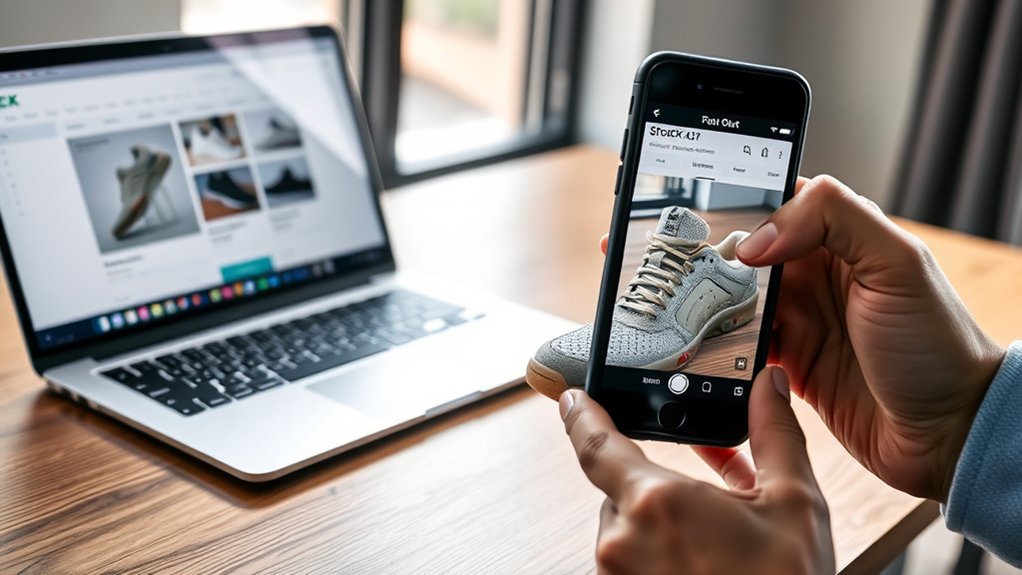
Next, list your exact shoe model and size. Set a competitive price based on real-time market data to attract buyers quickly. Upload clear photos to showcase the condition of your shoes.
Once your listing is live, ship your shoes promptly following StockX’s authentication guidelines. The authentication process typically takes 3–5 days. After approval, you’ll receive payment quickly via PayPal or bank transfer.
Stay tuned to market trends to optimize your pricing strategy. This will help you avoid common pitfalls and maximize your profits when selling shoes on StockX.
Key Takeaways
- Create and verify your StockX seller account with accurate personal and payment information to avoid delays.
- List shoes by selecting the exact model, size, condition, and set a competitive asking price based on market data.
- Use clear, high-quality photos showing multiple angles and accurate product details to attract buyers.
- Ship sold sneakers promptly to StockX for authentication, following their shipping guidelines and uploading tracking information.
- Monitor market trends regularly and adjust prices to stay competitive and maximize sales opportunities.
How To Create a StockX Seller Account
Wondering how to get started selling shoes on StockX? Begin by creating an account through their straightforward sign-up process. Provide accurate personal information, including your full name, email, and payment details, to avoid delays.
Verification is crucial: StockX requires identity confirmation to maintain marketplace integrity. Use clear, valid ID documents and ensure your profile matches these exactly. Verification tips include double-checking photo quality and avoiding mismatched data.
Once verified, you can list shoes confidently, knowing your account meets platform standards. Keeping your account in good standing increases buyer trust and speeds up transactions.
Shoes You Can Sell On StockX
A wide range of sneakers qualifies for sale on StockX, but focusing on high-demand, limited-edition, and popular brand releases will maximize your success. You should prioritize designer sneakers from brands like Nike, Adidas, and Jordan, especially those with limited editions, as they consistently attract buyers and command higher prices.
Limited editions create scarcity, driving up value and making your listings more competitive. Additionally, collaborations with designers or celebrities often result in strong resale potential. Avoid generic or mass-produced sneakers, as they rarely yield profit.
Use StockX’s market data to identify trending models and verify that your shoes align with current demand. By strategically selecting designer sneakers and limited editions, you’ll position yourself to sell efficiently and maximize returns on the platform.
How To List Your Shoes Step-by-Step
Where do you start when listing shoes on StockX? First, create an account and search for the exact shoe model you want to sell. Select the correct size and condition to ensure accuracy.
Next, set your asking price based on market data, but we’ll cover pricing strategies later. Be aware of listing fees, which typically range from 9% to 13%, depending on your seller level. These fees factor into your net profit, so plan accordingly.
Once listed, prepare your shoes following StockX’s shipping guidelines. Package securely and ship within the specified timeframe to avoid penalties. Upload your tracking information promptly to ensure transparency.
How To Price Your Shoes For a Quick Sale
You’ll want to research current market trends and analyze recent sales to understand your shoe’s value. Use this data to set a competitive price that attracts buyers without underselling.
Pricing strategically increases your chances of a quick sale on Stockx.
Research Market Trends
How do top sellers price their shoes for a quick sale on StockX? They start by researching market trends meticulously.
You need to track market demand closely. Identify which models are trending and which sizes buyers are targeting. Pay attention to supply gaps; limited availability for certain editions or sizes can drive prices up.
Use StockX’s data tools to monitor fluctuations in demand and spot opportunities where supply hasn’t caught up yet. This approach lets you set competitive prices that align with current buyer interest, avoiding overpricing that stalls sales.
Analyze Recent Sales
When setting a price for your shoes, analyzing recent sales data is essential to selling quickly. Start by reviewing recent sales trends on StockX to identify how similar models are performing.
Pay close attention to the frequency of sales and the prices at which shoes are consistently selling. This insight reveals current resale demand, helping you avoid overpricing or underselling your pair.
Look for patterns such as price drops or spikes tied to market events or releases. By understanding these fluctuations, you can better time your listing and set a price that aligns with buyer interest.
Staying data-driven ensures you respond effectively to the market rather than guessing, increasing your chances of a swift, profitable sale.
Set Competitive Prices
Setting a competitive price means balancing speed and profit by aligning your listing with current market demand. Use pricing psychology to influence buyers. Round numbers or just-below thresholds (e.g., $199 instead of $200) can boost appeal.
Monitor recent sales data closely to find the sweet spot between underpricing and overpricing. Apply scarcity tactics by emphasizing limited availability or highlighting a shoe’s rarity to justify a higher price, but avoid overpricing that deters buyers.
Adjust your price dynamically based on ongoing sales velocity and market trends. By combining data-driven insights with strategic pricing psychology and scarcity tactics, you’ll position your shoes to sell quickly without sacrificing profit.
What To Expect During The StockX Authentication Process
When you sell shoes on StockX, your sneakers go through a multi-step authentication process to ensure legitimacy. Inspectors verify details like materials, stitching, and tags against known authentic pairs. Understanding these criteria helps you prepare your shoes to pass smoothly and avoid delays.
Authentication Steps Overview
How does StockX verify the authenticity of your shoes? Once you ship your item, StockX initiates a strict authentication timeline, typically 3-5 business days. Inspectors examine key details to confirm genuineness, minimizing post authentication issues. If concerns arise, they notify you immediately.
| Step | Action | Timeframe |
|---|---|---|
| 1. Receive Item | StockX receives your shoes | Day 1 |
| 2. Authenticate | Experts verify authenticity | Days 2-4 |
| 3. Ship to Buyer | Cleared shoes sent to buyer | Day 5 |
Understanding these steps ensures you’re prepared for the process. Staying aware of the authentication timeline helps you manage expectations and address any post authentication issues efficiently.
Common Verification Criteria
What key factors do StockX inspectors focus on during authentication? They analyze materials, stitching, logos, and packaging to confirm authenticity, ensuring no counterfeit elements sneak in. Inspectors also cross-reference trend overlap, comparing your shoes to current market models to spot inconsistencies.
Understanding buyer psychology, they prioritize visible signs that influence buyer confidence, like flawless detailing and original tags. Authentication involves data-driven checks on serial numbers and production dates, matching them against verified databases.
You can expect scrutiny of wear patterns and sole impressions too, as these reveal genuine usage versus replicas. By mastering these common verification criteria, you align your listing with StockX’s standards, boosting buyer trust and your chances for a quick sale.
Staying sharp on these points ensures your shoes pass authentication efficiently.
Getting Paid On StockX: What To Know
Where does your money go once a pair of shoes sells on StockX? After your sale is confirmed and the buyer receives the authenticated product, StockX processes your payment. The platform deducts a transaction fee, which varies but typically hovers around 9.5%, plus payment processing fees.
Understanding the payout timeline is crucial: payments are issued within two business days after authentication, but factors like holidays or verification delays can extend this. You’ll receive your funds via your chosen payout method, often PayPal or direct bank transfer.
Keep in mind, consistent, verified sales can speed up your payout timeline as you build trust with StockX. Staying informed on these details ensures you manage expectations and cash flow effectively when getting paid on StockX.
Common Selling Mistakes To Avoid On StockX
Getting paid smoothly on StockX relies not only on understanding fees and timelines but also on avoiding common selling mistakes that can delay or derail your sales. Adopting the right seller mindset means staying vigilant against errors like mispricing, poor product presentation, and ignoring market trends.
These pitfalls reduce your chances of a quick sale and impact your reputation.
| Common Mistakes | Impact on Sale | Prevention Strategy |
|---|---|---|
| Mispricing | Low offers or no bids | Monitor real-time prices |
| Incomplete product info | Buyer distrust | Provide detailed listings |
| Ignoring market trends | Slow sales | Research demand regularly |
| Poor photo quality | Reduced interest | Use clear, high-res images |
| Shipping delays | Negative reviews | Ship promptly with tracking |
Avoid these to maintain a strong seller mindset and maximize your StockX success.
Frequently Asked Questions
Can I Sell Shoes Internationally on Stockx?
Yes, you can sell shoes internationally on StockX. They handle international shipping and connect you with international buyers, expanding your market reach.
This increases the likelihood of competitive bids for your shoes worldwide.
How Does Stockx Handle Returns or Disputes?
Unlike typical marketplaces, StockX enforces a strict returns policy: no returns unless the item’s authenticity is disputed. Their dispute resolution quickly verifies products, ensuring you only resolve genuine issues efficiently and with data-driven accuracy.
Are There Fees for Listing Shoes on Stockx?
You won’t pay listing fees on StockX, so your seller profits start strong. Instead, a transaction fee applies only after your sale, helping you strategize pricing and maximize returns efficiently without upfront costs.
What Condition Must Shoes Be in to Sell?
You must ensure your shoes meet StockX’s condition standards: unworn, deadstock, and original packaging intact. This guarantees a smooth authentication process, reducing rejection risk and maximizing your resale value strategically.
Can I Sell Limited Edition or Custom Shoes?
You can absolutely sell limited editions on StockX, but custom shoes are a different beast. They usually don’t fit the platform’s authenticity standards.
Focus on limited editions for higher demand and better pricing, leveraging customization options elsewhere.
Conclusion
Selling shoes on StockX is like steering a fast-moving river—you need the right tools and timing to ride the current smoothly. By creating your seller account, listing shoes correctly, pricing strategically, and understanding the authentication and payment process, you position yourself for success.
Avoid common pitfalls, stay data-driven in your decisions, and you’ll turn your sneaker inventory into steady profits with minimal hassle.
Stay sharp, act swiftly, and watch your sales flow when selling shoes on StockX.