Why Are Shoes Called Sneakers
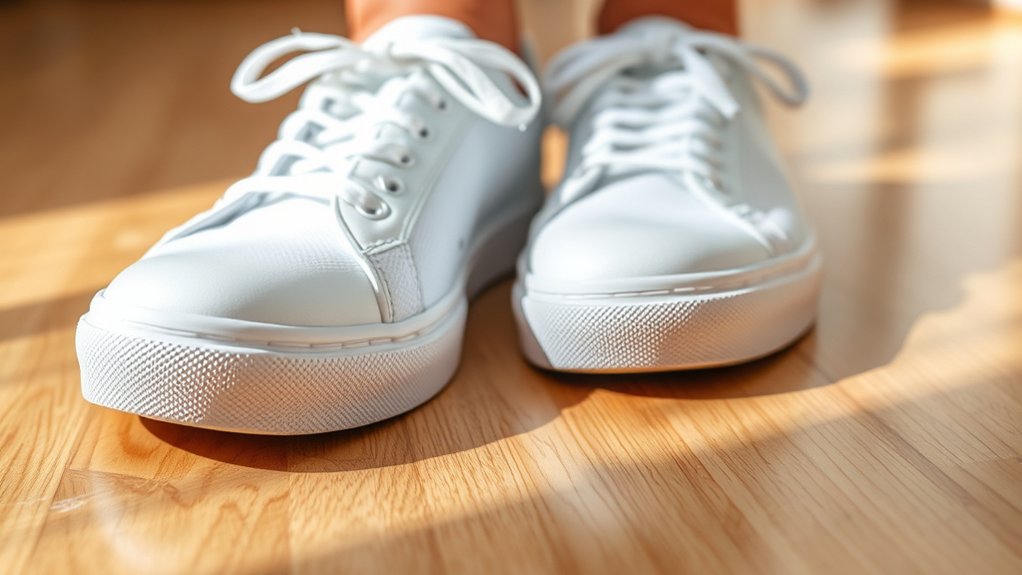
You call them sneakers because their rubber soles and soft uppers let you move quietly, almost like sneaking—hence the name from the late 19th century. This main keyword explains the unique feature that set these shoes apart from traditional footwear. The design innovation, enabled by vulcanized rubber, made steps quieter and more flexible compared to traditional shoes.
Over time, sneakers evolved with breathable materials and ergonomic support, blending history with modern comfort. Exploring their global names and cultural impact reveals why the term “sneakers” still holds strong today.
Key Takeaways
- Sneakers are named for their rubber soles and soft uppers, enabling quiet, “sneaky” movement without noise.
- The term “sneaker” originated in the late 19th century, reflecting the shoe’s silent walking ability.
- Rubber soles, made possible by Goodyear’s vulcanization process, contributed to the sneaker’s distinctive quiet grip.
- Sneaker culture and retail slang like “kicks” reinforce the name’s association with casual and athletic footwear.
- The name balances historical roots and modern innovation, maintaining relevance as materials and styles evolve.
What Are Sneakers, and Where Did the Name Come From?
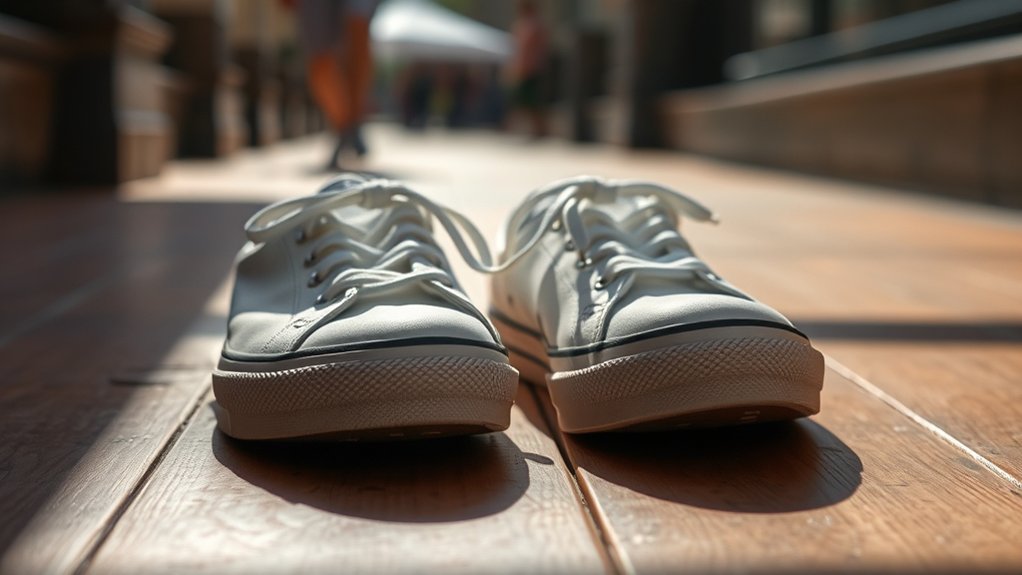
What exactly makes a shoe a “sneaker,” and how did this term come about? Sneakers are defined by their rubber soles and soft uppers, designed for quiet movement. The name “sneaker” emerged in the late 19th century, reflecting the shoe’s ability to allow wearers to “sneak” silently.
Your understanding deepens through the study of shoelace patterns, which reveal functional designs aimed at comfort and stability, integral to sneakers’ identity. Additionally, an exploration of sneaker retail slang uncovers terms like “kicks” and “laces,” emphasizing cultural aspects tied to this footwear category.
This terminology and design focus distinguish sneakers from other shoes by highlighting both their utility and evolving social significance within urban and athletic contexts.
How Sneaker Design Made Sneakers Unique
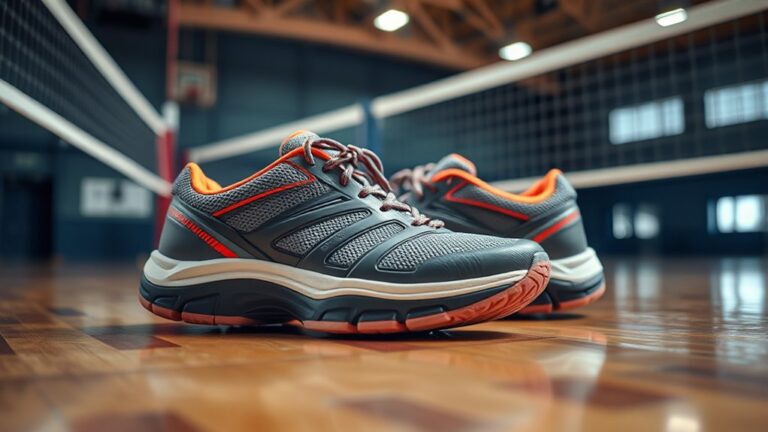
The defining features of sneakers go beyond their quiet soles and soft uppers, shaping how they function and feel. When you examine sneaker design, sneaker ergonomics stand out as a critical factor. Designers focus on foot support, flexibility, and shock absorption to enhance comfort and performance.
This ergonomic approach ensures that sneakers adapt to your movements, reducing fatigue and injury risk. Additionally, material innovation plays a vital role. Advances in lightweight fabrics, breathable mesh, and synthetic composites improve durability and ventilation while maintaining a sleek profile.
These materials also contribute to moisture management, keeping your feet dry during activity. Together, sneaker ergonomics and material innovation create a unique combination that distinguishes sneakers from other footwear, optimizing both comfort and functionality for everyday wear and athletic use.
Why Sneakers Have Rubber Soles
You’ll find that the rubber sole is key to what makes sneakers stand out. Rubber provides excellent grip and flexibility, improving comfort and performance.
Understanding when and why rubber was introduced helps explain its lasting impact on sneaker design.
Benefits Of Rubber Soles
How do rubber soles enhance the functionality of sneakers? Rubber properties like flexibility and grip make sneakers ideal for various activities. These soles provide excellent traction, reducing slips and improving stability.
Additionally, sole durability ensures that your sneakers last through extensive wear without significant deterioration. Rubber absorbs shocks effectively, protecting your joints during impact.
| Benefit | Explanation |
|---|---|
| Traction | Rubber’s grip prevents slipping |
| Flexibility | Adapts to your foot movement |
| Shock Absorption | Cushions impact for joint protection |
| Durability | Resists wear and tear over time |
History Of Rubber Use
Rubber soles deliver the traction, flexibility, and durability that define sneakers today, but their presence traces back to significant developments in rubber processing and manufacturing. The history of rubber began with natural latex harvested from rubber trees, but early uses were limited by rubber’s instability, turning sticky in heat and brittle in cold.
In 1839, Charles Goodyear revolutionized manufacturing processes by inventing vulcanization, a method that chemically treated rubber to improve its resilience and elasticity. This breakthrough allowed rubber to be used reliably in shoe soles, providing comfort and grip.
As industrial techniques advanced, mass production of rubber soles became feasible, making sneakers more accessible. Understanding this history of rubber and its manufacturing processes shows why rubber soles are essential to sneakers’ functionality and lasting appeal.
When Did Sneakers Become Popular?
You’ll find that sneakers gained popularity in the early 20th century as sports culture expanded and more people embraced athletic activities. The rise of brands specifically focused on performance footwear also played a vital role in making sneakers a common choice.
Understanding these factors helps explain how sneakers moved from specialized gear to everyday wear.
Early 20th Century Trends
When did sneakers shift from niche athletic wear to everyday footwear? In the early 20th century, sneakers began to gain traction beyond sports, evolving into a key element of early fashion. Urban youth played a vital role in this transition, adopting sneakers for their comfort and practicality in city environments.
This adoption marked a shift as sneakers moved from purely functional to a cultural symbol of casual style. Shoe companies started designing models that appealed visually to young consumers, blending utility with aesthetic appeal. This trend reflected broader social changes, including increased urbanization and the rise of youth culture.
Influence of Sports Culture
The rise of sports culture in the early to mid-20th century played a pivotal role in propelling sneakers into mainstream popularity. As athletic activities gained popularity, sneakers transitioned from purely functional footwear to symbols of active lifestyles.
You’ll notice how color psychology influenced sneaker designs, with bold hues signaling energy and confidence, appealing to athletes and casual wearers alike. This shift also embraced fashion humor. Sneakers adopted playful, unconventional styles that broke traditional shoe norms, making them more relatable and trendy.
Rise of Athletic Brands
As sneakers gained traction through sports culture, athletic brands seized the opportunity to shape their popularity and identity. You’ll notice that during the mid-20th century, advances in shoe manufacturing allowed brands to produce high-performance sneakers at scale.
Companies like Nike, Adidas, and Puma revolutionized materials and design, improving comfort and functionality. Their marketing strategies played a crucial role, targeting athletes and youth culture to create emotional connections with consumers.
How Sneaker Culture Shaped the Name “Sneakers
Sneaker culture has played a pivotal role in shaping how these shoes earned their name and widespread recognition. When you engage with sneaker culture, you quickly notice that sneaker etiquette governs how and when these shoes should be worn, highlighting their unique role beyond mere footwear.
This culture also embraces color psychology, as sneaker designs often use color to evoke emotions, status, and identity, influencing how people perceive and interact with sneakers. The term “sneakers” itself gained traction because these shoes allowed wearers to move silently and comfortably, aligning perfectly with the culture’s emphasis on stealth and style.
What Are Sneakers Called Around the World?
How do people refer to sneakers in different parts of the world? In the US, they’re commonly called “sneakers,” highlighting their quiet soles. In the UK, you’ll often hear “trainers,” emphasizing their athletic use.
Australians say “runners,” while in South Africa, “takkies” is popular. These variations reflect local language and culture but also show how sneaker aesthetics influence global fashion.
Brands tailor designs to fit regional tastes, merging cultural identity with universal appeal. In Japan, for instance, minimalist designs resonate with local style, whereas in Brazil, vibrant colors dominate.
Understanding these terms helps you appreciate how sneakers transcend mere footwear, becoming symbols of cultural expression and evolving fashion trends worldwide. This linguistic diversity illustrates sneakers’ deep integration in global fashion.
Why Do We Still Call Them Sneakers?
Why do we still call these shoes “sneakers” despite the evolution of their design and function? The term persists because it captures the essence of their original purpose: quiet, flexible footwear.
The name “sneakers” endures, reflecting their original design as quiet, flexible footwear.
Even as sneakers now incorporate futuristic materials like breathable mesh and responsive foam, the name remains a nod to their stealthy beginnings. You’ll find that ethical manufacturing practices increasingly influence sneaker production, emphasizing sustainability without altering the core identity.
This balance between innovation and tradition keeps the term relevant. By holding onto the word “sneakers,” you acknowledge both their history and their modern advancements.
It’s a concise label that adapts alongside the shoe’s evolving technology and social values, making it a durable term in an ever-changing market.
Frequently Asked Questions
Who Invented the First Pair of Sneakers?
You should know the earliest sneakers were invented by Charles Goodyear in 1839. He developed vulcanized rubber soles, revolutionizing footwear durability and comfort, which laid the foundation for modern sneakers you wear today.
What Materials Are Used in Modern Sneaker Manufacturing?
You’ll find modern sneakers use synthetic fabrics, rubber soles, and foam cushioning. While the linguistic origins and etymology debates focus on “sneak,” materials emphasize comfort and flexibility, reflecting innovation beyond mere word history.
How Do Sneaker Brands Influence Fashion Trends?
You’ll see sneaker branding drives 30% of streetwear trends by using trend forecasting to predict consumer tastes. Brands analyze data closely, guiding designs that shape fashion, ensuring you always spot the freshest, most relevant sneaker styles.
What Are the Most Expensive Sneakers Ever Sold?
You’ll find the most expensive sneakers ever sold include the solid gold Solid Gold OVO x Air Jordans, fetching record-breaking sales near $2 million. This highlights collectors’ willingness to pay premium prices for exclusive, limited-edition footwear.
How Can I Clean and Maintain My Sneakers?
You’ll extend your sneakers’ life by up to 50% with consistent cleaning routines. Focus on material care. Use mild soap for canvas, leather conditioner for leather, and avoid harsh scrubbing to preserve texture and color accurately.
Conclusion
Now that you know sneakers got their name from the quiet stealth of rubber soles on pavement, you’ll see they’re more than just shoes—they’re a cultural icon. Their unique design, blending comfort and function, sparked global popularity and shaped language worldwide.
Even today, calling them “sneakers” connects you to that rich history. Like a thread weaving through time, the name keeps stepping forward with every pair you lace up. This enduring connection is why the term sneakers remains so meaningful in our culture.