What Does Drop Mean in Running Shoes
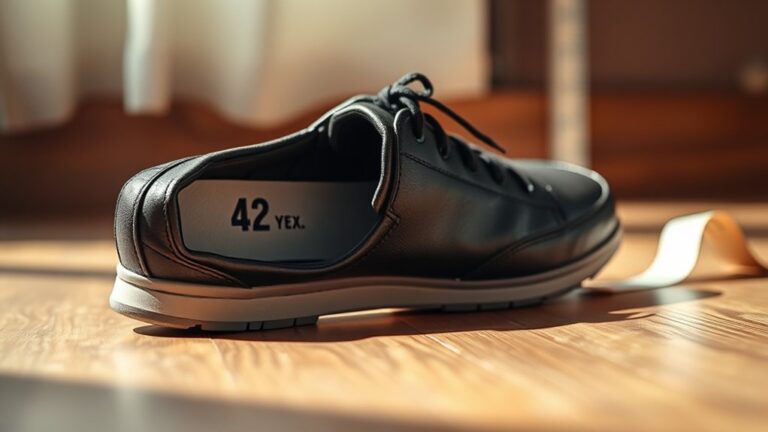
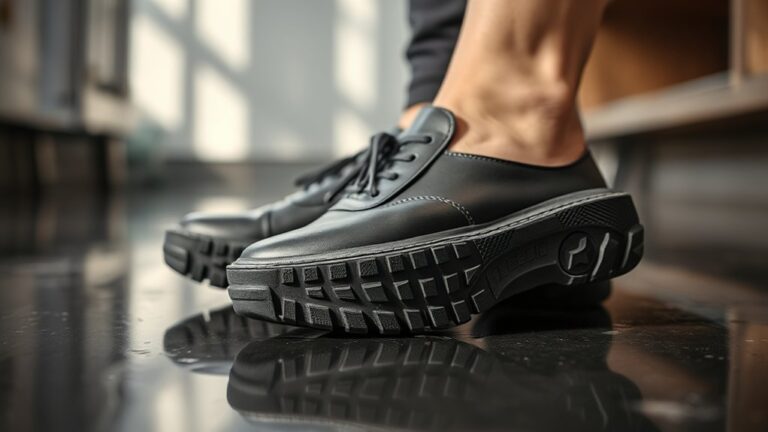
Shoe drop is the height difference between the heel and forefoot in your running shoes, measured in millimeters. This drop plays a crucial role in shaping your running biomechanics by influencing whether you strike heel-first or with your midfoot or forefoot.
A higher drop encourages heel striking and helps reduce calf strain, making it a common choice for many runners.
On the other hand, a lower drop promotes a more natural, barefoot-like strike but puts more load on your calves and Achilles tendon.
Understanding shoe drop helps you choose shoes that suit your running form and comfort. It also provides valuable insights for making safe transitions if you decide to switch to a different drop height.
Key Takeaways
- Drop in running shoes is the height difference between the heel and forefoot, measured in millimeters.
- A higher drop typically encourages heel striking, while a lower drop promotes midfoot or forefoot strikes.
- Drop affects running biomechanics, comfort, injury risk, and shoe cushioning durability.
- Common drop ranges include minimal (0-4mm), moderate (5-8mm), and high (9-12mm).
- Choosing the right drop depends on running style, injury history, terrain, and personal comfort.
What Is Shoe Drop and Why It Matters
How does shoe drop influence your running experience? Shoe drop is the height difference between the heel and forefoot of your running shoe. Understanding what is shoe drop is crucial because it directly affects your biomechanics, running economy, and injury risk.
A higher shoe drop typically promotes heel striking, while a lower drop encourages a midfoot or forefoot strike. This shift influences your running economy by altering energy expenditure; lower drops often improve efficiency by promoting a more natural foot strike.
Additionally, shoe drop impacts cushioning durability. Higher drops usually incorporate more heel cushioning, which can wear down faster under repetitive impact. Recognizing why it matters helps you select shoes that optimize performance and longevity while matching your running style and comfort preferences.
Common Shoe Drop Measurements and How They Feel
What differences will you notice when choosing between various shoe drop measurements? Understanding common terms and measurement methods helps clarify the feel and preference associated with each drop. It also explains their impact on gait. Shoe drop, measured in millimeters, is the height difference between the heel and forefoot.
- 0-4mm (Minimal Drop): Promotes a more natural foot strike, often feeling closer to barefoot running.
- 5-8mm (Moderate Drop): Balances cushioning and natural mechanics, suitable for many runners.
- 9-12mm (High Drop): Offers increased heel cushioning, altering foot strike toward heel-first.
- Above 12mm: Less common, typically found in specialized or stability shoes, significantly affecting gait dynamics.
How Shoe Drop Affects Running Form and Comfort
Why does shoe drop matter so much to your running form and comfort? The shoe drop directly influences your foot strike pattern and posture. A higher drop typically encourages heel striking by elevating the heel relative to the forefoot, potentially reducing calf strain but increasing impact on your knees.
Conversely, a lower drop promotes a midfoot or forefoot strike, engaging your calves and Achilles tendon more actively. When you consider barefoot transition, a lower drop facilitates a smoother adaptation by mimicking natural foot mechanics, but it requires gradual adjustment to avoid injury.
Additionally, stack height interacts with drop to affect cushioning and proprioception; a higher stack height with a significant drop offers more shock absorption, while a lower stack height enhances ground feel. Understanding these dynamics helps optimize your running efficiency and comfort.
Choosing the Right Shoe Drop for Your Running Style
Selecting the right shoe drop hinges on your individual running mechanics and goals. To optimize performance and reduce injury risk, consider these factors:
- Running Style: If you’re cadence focused and land midfoot or forefoot, a lower drop (0-6mm) promotes natural foot strike and low impact forces.
- Injury History: Higher drops (8-12mm) can alleviate strain on Achilles and calf muscles, beneficial if you experience tightness.
- Training Terrain: Trail runners may prefer moderate drops for added stability, while road runners often benefit from lower drops for responsiveness.
- Comfort and Adaptation: Choose a drop that feels natural during your typical runs; abrupt changes can disrupt biomechanics.
How to Switch Shoe Drops Safely
Anyone changing their running shoe drop should proceed gradually to allow their muscles, tendons, and joints to adapt to the altered biomechanics. When switching drops, prioritize safety considerations to minimize injury risk.
Start by introducing the new drop incrementally. Wear the new shoes for short runs or cross-training before full use. Monitor your body for discomfort and adjust accordingly.
| Step | Action |
|---|---|
| 1 | Assess current shoe drop |
| 2 | Choose new drop incrementally |
| 3 | Alternate shoes during runs |
| 4 | Increase usage gradually |
| 5 | Monitor pain and adjust plan |
Following this systematic approach ensures safe adaptation and maximizes performance benefits during the transition.
Frequently Asked Questions
Does Shoe Drop Affect Injury Risk in Runners?
Injury risk isn’t a one-size-fits-all hat; your shoe drop influences it. Two-word discussion ideas like “foot strike” and “stride mechanics” clarify how altering drop aids injury prevention by optimizing your running form and reducing impact forces precisely.
Can Shoe Drop Impact Running Speed or Performance?
Yes, shoe drop can impact your speed and performance by altering your speed mechanics and stride length. Lower drops often encourage a quicker cadence, while higher drops may lengthen stride but reduce efficiency for some runners.
Are Minimalist Shoes Always Low Drop?
Only about 70% of minimalist shoes feature a low drop; you’ll find some with varied heel-to-toe offsets. Minimalist design prioritizes reduced cushioning tradeoffs, but drop isn’t always minimal, so check specs carefully for your needs.
How Does Shoe Drop Influence Trail Versus Road Running?
You’ll find trail benefits in lower drop shoes, offering better stability and ground feel on uneven terrain. For road running, higher drop shoes provide cushioning tradeoffs, reducing strain and enhancing shock absorption on hard surfaces.
Do Shoe Drops Vary Between Brands?
Oh, absolutely. Shoe drops vary wildly between brands despite claims of uniformity. You’ll notice material differences and shoe compatibility influence drop measurements.
You must analyze each model carefully to find the perfect fit for your running style.