What Shoes Should I Get
You should start by assessing your daily activities and the surfaces you encounter to identify essential shoe features like cushioning or flexibility when deciding what shoes to get. Understanding your specific needs will help you choose the right footwear for comfort and performance.
Match shoe types and materials to your lifestyle needs—for example, breathable mesh for running or leather for formal wear. Prioritize fit by evaluating arch support, heel stability, and toe box space to ensure comfort throughout the day.
Set a budget aligning with your usage and value, while also considering style and durability. Explore further to discover how to refine these choices perfectly and find the ideal pair of shoes for you.
Key Takeaways
- Assess your daily activities and environments to determine needed shoe features like cushioning, flexibility, or style.
- Match shoe materials and construction to activity demands, such as breathable mesh for running or leather for formal wear.
- Ensure proper fit by checking arch support, heel lockdown, toe box space, and overall comfort aligned with your foot anatomy.
- Set a budget reflecting your usage frequency and compare brands for the best balance of quality, durability, and price.
- Choose shoe styles and colors that align with your wardrobe and purpose, balancing both aesthetics and functionality.
How to Identify Your Shoe Needs Based on Lifestyle
How do you determine which shoes truly fit your lifestyle? Start with a thorough lifestyle assessment. Analyze your daily routines, environments, and physical demands to pinpoint your footwear requirements.
Activity mapping helps you identify specific movements and surfaces you encounter regularly, ensuring your shoes provide adequate support and durability. By categorizing your activities, whether standing, walking, running, or occasional formal events, you can prioritize features like cushioning, flexibility, or style.
Evidence shows that a targeted approach reduces discomfort and injury risks. Avoid guessing; instead, use data from your lifestyle assessment to guide your choices. This precise understanding forms the foundation for selecting shoes that complement your needs, enhancing both comfort and performance throughout your day.
How to Match Shoe Types to Your Activities
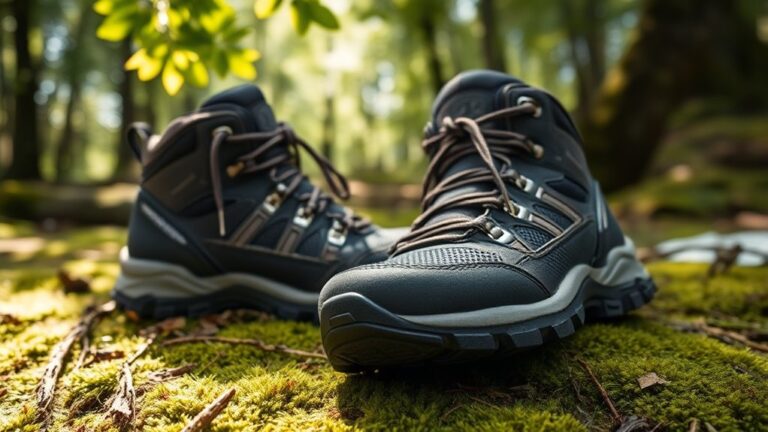
Where should you start when matching shoe types to your activities? Begin by evaluating the demands of each activity and selecting shoe materials that align with them. For example, breathable mesh suits running shoes, while durable leather supports formal occasions.
Start by assessing your activity’s needs and choose shoe materials that best support them.
Synthetic materials often provide water resistance for outdoor use. Next, consider color coordination to complement your wardrobe and activity settings. Neutral tones like black, brown, or navy offer versatility across various outfits and events.
For sports, vibrant colors may boost visibility and style. Matching shoe types accurately ensures optimal performance and aesthetic appeal. By focusing on functional materials and thoughtful color choices, you’ll enhance comfort and style tailored to your daily activities, reducing wear and improving longevity.
This approach ensures your shoes serve both purpose and fashion effectively.
How to Choose Shoes for Fit and Comfort
What variables determine whether a shoe fits well and feels comfortable throughout the day? You need to assess key elements like arch support, heel lockdown, and overall fit. To evaluate arch support, press your foot into the insole. Does it align with your arch shape? To test heel lockdown, secure the shoe and walk. Your heel should remain stable without slipping.
| Fit Element | Assessment Method | Importance |
|---|---|---|
| Arch Support | Press foot on insole | Prevents overpronation, pain |
| Heel Lockdown | Walk with shoe securely fastened | Avoids heel slippage, blisters |
| Overall Fit | Check toe box and width fit | Ensures comfort, reduces pressure |
Following these steps lets you choose shoes that support your foot anatomy and enhance comfort effectively.
How to Set a Realistic Shoe Budget
After understanding the factors that influence fit and comfort, you should consider the financial aspect of your shoe purchase. Effective budget planning begins with assessing your footwear needs and allocating a reasonable spending limit based on your lifestyle and frequency of use.
Conducting brand comparisons helps identify options that offer the best value without compromising quality. Research suggests that mid-range brands often balance durability and cost efficiently, while premium brands might provide advanced materials but at a higher price.
How to Find Shoes That Match Your Style and Purpose
How do you guarantee your shoes complement both your personal style and intended use? Start by defining your style goals clearly, whether it’s professional, casual, or athletic. Research shows that aligning shoe choice with activity enhances both comfort and performance.
Next, focus on color coordination: select shades that harmonize with your wardrobe to ensure versatility and coherence. Use a color wheel or digital tools to identify complementary or neutral tones that fit your style goals.
Consider materials and construction quality based on your shoe’s purpose to maximize durability and function. By combining evidence-based insight with your personal preferences, you’ll find shoes that not only look great but also serve their intended function effectively, making your selection both stylish and practical.
Frequently Asked Questions
How Do I Clean and Maintain Different Types of Shoes?
You’ll want specific care tips and cleaning routines: use a soft brush for leather, mild detergent for canvas, and waterproof sprays for suede.
Regularly clean, air dry, and store shoes properly to maintain durability and appearance effectively.
What Materials Are Best for Shoe Durability?
Like Achilles’ shield, leather durability protects your shoes with strength and flexibility, while a rubber outsole longevity offers unbeatable traction and wear resistance. This ensures your footwear withstands daily challenges with lasting performance and comfort.
How Can I Break in New Shoes Faster?
You can speed up breaking in new shoes by wearing them indoors for short periods, using comfort tuning methods like stretching inserts, and performing regular cleaning maintenance to keep materials flexible and supportive. This enhances overall comfort quickly.
Are There Eco-Friendly Shoe Brands to Consider?
Yes, you’ll find eco friendly brands like Allbirds and Veja using sustainable materials such as recycled plastic and organic cotton. These choices ensure your shoes minimize environmental impact while maintaining quality and durability. This makes for responsible, stylish footwear options.
How Do I Store Shoes to Keep Them in Good Condition?
You’ll extend your shoes’ life by storing them in a cool, dry place.
80% of shoe damage stems from improper care.
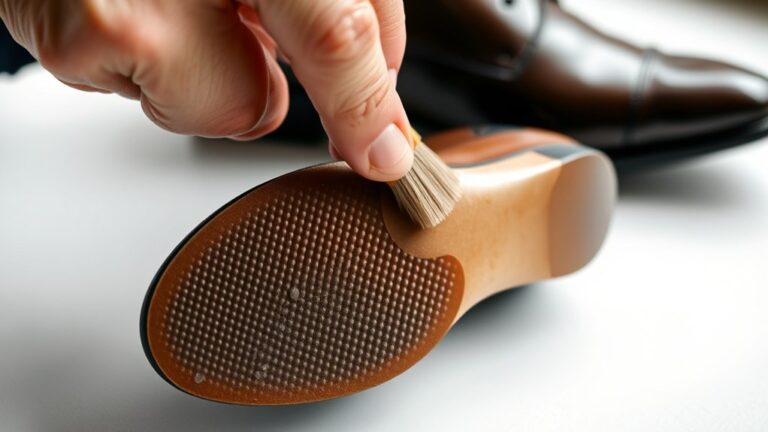
Regular stain removal and sole care prevent deterioration and maintain their structure and appearance effectively.