Do You Wear Socks With Jazz Shoes
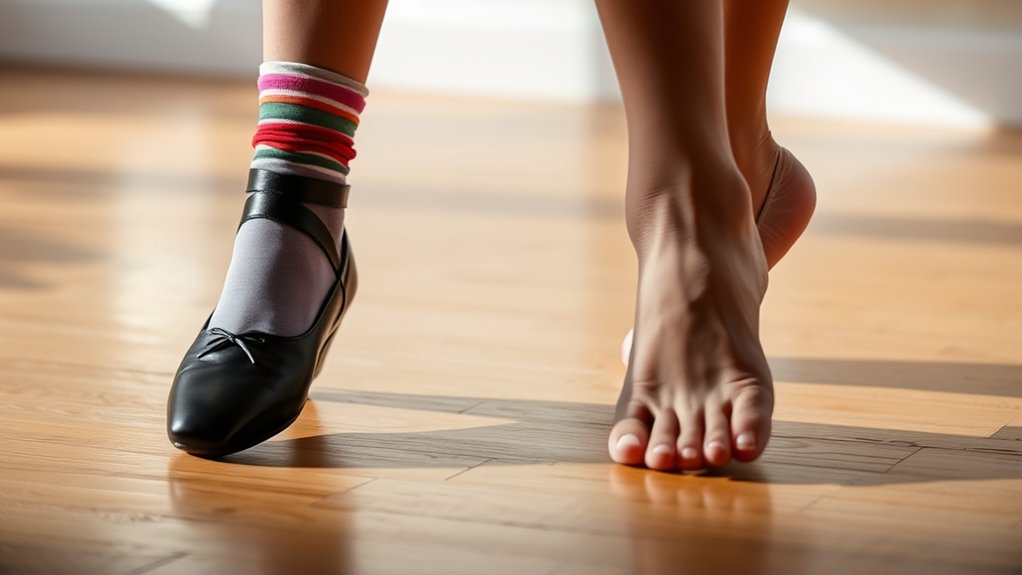
You can wear socks with jazz shoes to improve comfort, reduce slipping, and protect your feet from blisters. Socks help absorb sweat, keep your feet dry, and provide cushioning, enhancing your control during dance moves.
Going sockless offers better grip and floor feel but may require extra care for moisture and hygiene. Choosing the right socks balances breathability and fit without adding bulk.
Learn more to find the best approach for your dance style and shoe care.
Key Takeaways
- Wearing socks with jazz shoes improves grip inside the shoe, reducing slipping and enhancing dance control.
- Socks protect feet from blisters by reducing friction between skin and shoe material.
- Proper socks absorb sweat, keep feet dry, and maintain comfort during intense routines.
- Going sockless offers better floor feel and a closer shoe fit but requires careful moisture management.
- Choosing breathable, thin, seamless socks optimizes comfort without compromising shoe fit or movement.
Benefits of Wearing Socks With Jazz Shoes
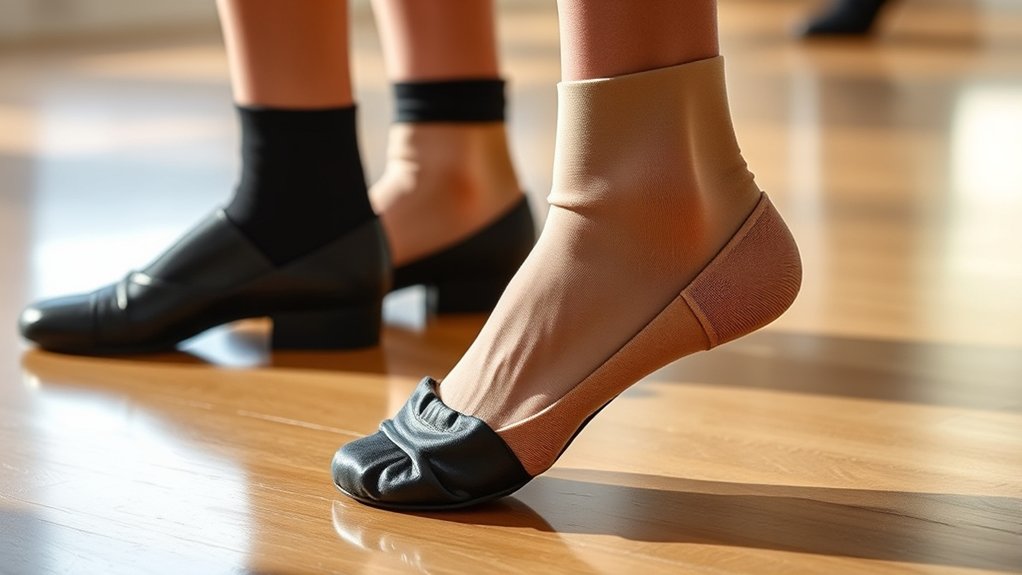
Why should you consider wearing socks with your jazz shoes? Wearing socks can provide a comfortable grip inside your shoes, reducing slipping and enhancing your control during dance movements. This grip prevents unnecessary friction, which helps keep your feet stable and secure.
Additionally, socks help maintain foot warmth, especially in cooler environments or studios. Warm feet improve muscle flexibility and reduce the risk of cramps or injuries.
When you choose the right socks, you balance breathability and cushioning, which supports your foot’s natural movement without bulk. By adding socks, you also protect your skin from blisters caused by direct contact with the shoe’s material.
How Socks Affect Comfort and Performance in Jazz Shoes
How do socks influence your comfort and performance when wearing jazz shoes? Understanding the socks impact is essential for optimizing your dance comfort. Socks act as a barrier, reducing friction and preventing blisters, which helps maintain foot health during intense routines.
They also absorb sweat, keeping your feet dry and reducing slippage inside the shoe. Here’s how socks affect you in jazz shoes:
Socks absorb sweat, keeping feet dry and reducing slippage inside jazz shoes for better performance.
- Cushioning: They provide extra padding, enhancing shock absorption.
- Fit: Socks can slightly alter shoe fit, affecting stability.
- Temperature regulation: Socks help maintain a comfortable foot temperature.
- Hygiene: They minimize odor and bacterial buildup.
Benefits of Going Sockless in Jazz Shoes
While socks offer several comfort and hygiene benefits, many dancers choose to wear jazz shoes without them for specific advantages. Going sockless, or opting for barefoot jazz shoes, improves your foot’s natural grip on the shoe’s sole, giving you better control and precision during movements.
This direct contact enhances your ability to feel the floor, which can boost balance and responsiveness. If you’re part of the ongoing debate socks or no socks, consider that skipping socks reduces bulk inside the shoe, allowing a closer fit and reducing the chance of slipping.
However, you’ll need to manage moisture and hygiene carefully. Overall, going sockless can elevate your performance by offering a snug, tactile connection with your jazz shoes.
Best Socks to Wear With Jazz Shoes
Choosing the right socks for your jazz shoes can make a significant difference in comfort and performance. To ensure you pick the best, consider these factors:
- Sock Material: Opt for breathable fabrics like cotton blends or moisture-wicking synthetics to keep your feet dry and comfortable.
- Fit and Size: Choose socks that fit snugly without excess fabric to prevent bunching, which can cause blisters.
- Thickness: Select thin to medium-thickness socks; thick socks may make your jazz shoes too tight, affecting your movement.
- Seamless Design: Look for socks with minimal or no seams to reduce friction and irritation during dance routines.
Keeping Jazz Shoes Fresh When Wearing Socks
Selecting the right socks helps maintain comfort, but keeping your jazz shoes fresh involves more than just what you wear inside them. Your sock choice plays a significant role in odor control by wicking away moisture and reducing bacterial growth.
Opt for breathable, moisture-wicking materials like cotton blends or specialized athletic fabrics. After each use, air out your jazz shoes thoroughly to prevent dampness, which fuels odor-causing bacteria.
Consider using shoe deodorizers or natural odor absorbers like baking soda to maintain freshness. Washing your socks regularly and avoiding wearing the same pair multiple times also helps.
Frequently Asked Questions
Can Jazz Shoes Be Worn Outdoors?
You shouldn’t wear jazz shoes outdoors regularly since they lack proper outdoor wear features. For occasional use, consider weatherproofing jazz shoes with sprays, but prolonged exposure can damage them and reduce their flexibility and comfort.
How Often Should Jazz Shoes Be Replaced?
Like a well-worn path, you should replace jazz shoes when patterns and wearability fade. Regularly check fit and maintenance; if support weakens or soles thin, it’s time to get a fresh pair for ideal performance.
Are Jazz Shoes Suitable for Other Dance Styles?
Yes, you can use jazz shoes for other dance styles if you prioritize dance floor grip and maintain proper heel alignment.
They offer flexibility and support, but always ensure they suit the specific movements and surfaces you’ll encounter.
What Materials Are Jazz Shoes Typically Made Of?
Jazz shoes typically use leather or synthetic materials for flexibility and durability. When choosing, consider materials overview and sizing tips to ensure a snug, comfortable fit that supports your movements without sacrificing breathability or style.
How Do I Properly Break in New Jazz Shoes?
You break in new jazz shoes by wearing them gently at first, focusing on new sole durability.
Condition the leather regularly with leather care products to keep flexibility and prevent cracking, ensuring long-lasting comfort and performance.
Conclusion
Whether you slip on socks or go sockless with your jazz shoes, your feet will thank you. Socks act like a soft, breathable shield, keeping sweat and friction at bay, while going sockless can offer a closer, more natural feel.
Picture your feet gliding effortlessly across the dance floor—comfortable, fresh, and ready. Choose the option that fits your style and needs, and keep your jazz shoes—and your performance—at their best.
In the end, deciding whether to wear socks with jazz shoes comes down to personal preference and comfort. Whichever you choose, your feet will be supported for every move you make.