Does Goodwill Take Shoes
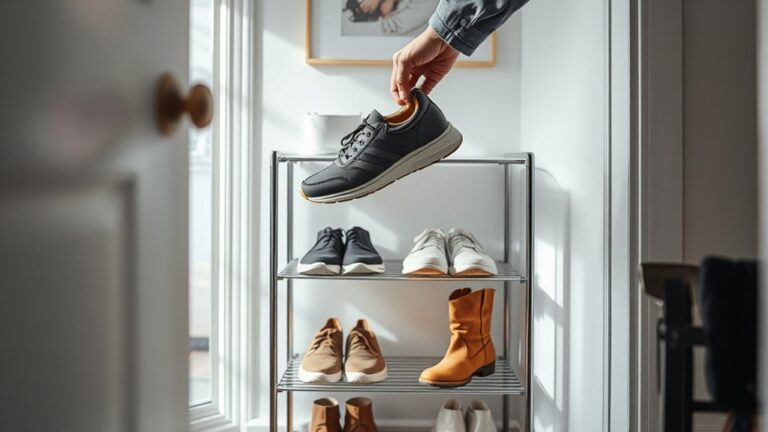
Yes, Goodwill does take shoes, and you can donate clean, gently worn footwear including sneakers, boots, sandals, and dress shoes. They prefer shoes that are still wearable and in good condition, avoiding those heavily worn or damaged.
Before donating, wipe off any dirt and consider removing laces. You can drop off shoes at local Goodwill centers or designated bins.
These donations support community programs through resale or recycling. Keep going to find out about drop-off tips and what happens after donation.
Key Takeaways
- Goodwill accepts various types of shoes including sneakers, boots, sandals, and dress shoes in wearable condition.
- Shoes should be clean, gently worn, and free of major stains, holes, or broken parts for donation.
- Heavily worn or damaged shoes may not be accepted but minor wear or stains are often allowed if usable.
- Donors should prepare shoes by cleaning, removing laces if needed, and optionally packaging them for easier processing.
- Donated shoes support community programs and are either resold, recycled, or repurposed by Goodwill.
Can I Donate Any Type of Shoes to Goodwill?
Wondering if you can donate any type of shoes to Goodwill? Generally, Goodwill accepts a wide variety of shoes, including sneakers, boots, sandals, and dress shoes. However, shoes heavily worn or damaged may not be accepted, which affects shoes pricing in their stores.
When you donate, you’ll receive donation receipts that help you keep track for tax deductions, so it’s smart to request one. Shoes pricing at Goodwill depends on brand, condition, and style, but your donation directly supports community programs.
Before donating, consider the shoe types Goodwill typically sells to ensure your items have value and usefulness. This way, your donation benefits both you and the recipients efficiently.
What Condition Must Shoes Be In for Goodwill Donations?
How clean and intact should your shoes be before donating to Goodwill? Ideally, your shoes should be gently worn or in excellent condition, free of major stains, holes, or broken parts. Goodwill accepts shoes that are still wearable and can benefit someone else, so donating shoes that look like unused items is best.
Avoid donating shoes that are overly worn or damaged, as these might not be suitable for resale or reuse. While Goodwill welcomes shoes, remember they also handle electronics disposal, so separating your donations helps them process items efficiently.
Keeping shoes in good shape ensures they get a second life and supports Goodwill’s mission. So, focus on clean, intact shoes rather than heavily worn pairs to make your donation count.
How to Prepare Your Shoes for Goodwill Donation
Once you’ve selected shoes that are clean and in good condition, getting them ready for donation is the next step. Proper shoe care ensures your donation is appreciated and useful.
Start by wiping off dirt and removing laces if needed. Use packaging tips like placing each pair in a breathable bag to keep them neat and protected.
| Step | Action | Why It Matters |
|---|---|---|
| Clean | Wipe down shoes | Shows respect, attracts |
| Inspect | Check for damage | Ensures usability |
| Package | Use bags or boxes | Protects and organizes |
| Label (optional) | Mark type or size | Helps staff and recipients |
Following these steps makes your donation valuable and easy to handle at Goodwill.
Where Can I Drop Off Shoe Donations at Goodwill?
You can drop off your shoe donations at any nearby Goodwill Donation Center, which are easy to find using their online locator.
Make sure your shoes meet the drop-off guidelines, like being clean and in wearable condition. Following these tips ensures your donation helps those in need without any hassle.
Goodwill Donation Center Locations
Wondering where to drop off your shoe donations at Goodwill? You can find convenient store locations and donation centers across the country, making it easy to give your shoes a new life.
Simply visit Goodwill’s website to use their store locator tool, which helps you identify the nearest donation center by entering your zip code or city. Most Goodwill stores accept shoe donations during regular business hours, ensuring a smooth drop-off experience.
Some locations also have designated donation bins outside for after-hours donations. Before heading out, check the specific store location’s hours and any seasonal changes to avoid surprises.
With numerous accessible store locations, you’re never far from making a positive impact through your shoe donation at Goodwill.
Shoe Drop-Off Guidelines
Where should you drop off your shoe donations to guarantee they’re accepted and put to good use? Head to your nearest Goodwill donation center, as they have clear guidelines for shoe donations.
Make sure your shoes are clean and in good condition. Goodwill often directs worn shoes to shoe repair services or fashion resale outlets. This ensures your donation either gets refurbished or sold to support their charitable programs.
Avoid dropping off shoes at non-designated locations to prevent rejection or disposal. If you’re unsure, check Goodwill’s website or call ahead to confirm drop-off hours and accepted items.
What Happens to Shoes After Donating to Goodwill?
When you donate shoes to Goodwill, they first go through a sorting and inspection process to determine their condition. Shoes in good shape are prepared for resale, while those worn out may be recycled or repurposed.
This guarantees your donation either helps someone in need or supports sustainable practices.
Sorting and Inspection Process
How does Goodwill manage your donated shoes once they arrive? They begin with a streamlined sorting process designed for maximum sorting efficiency. Shoes are quickly separated by type, size, and condition to ensure each pair finds the right next step.
Then, your shoes undergo a thorough inspection based on strict inspection criteria. Staff check for wear, damage, cleanliness, and overall usability. Only shoes that meet these standards move forward to be sold or reused.
This process helps maintain quality and customer satisfaction while reducing waste. By focusing on sorting efficiency and careful inspection, Goodwill ensures your donations are handled responsibly and effectively, giving your shoes a second life in the community.
Distribution and Recycling Methods
What happens to your shoes after Goodwill accepts them? Once sorted, shoes are either sold in stores, sent to outlets, or recycled. Goodwill aims to extend the life of each pair, reducing waste linked to shoe production and responding to fashion trends by offering affordable options.
| Destination | Purpose | Impact |
|---|---|---|
| Retail Stores | Direct sale | Affordable shoes for customers |
| Outlet Locations | Discounted sale | Clear inventory, good for trends |
| Recycling Centers | Material recovery | Reduces landfill waste |
| Export Markets | Resale in other countries | Supports global demand |
| Donations | Support for local charities | Community aid |
What Are My Options If Goodwill Won’t Accept My Shoes?
If Goodwill won’t accept your shoes, don’t worry—you still have several practical alternatives. First, check local charities or shelters, as some accept footwear even when Goodwill doesn’t.
Avoid common shoe donation myths, like the idea that all shoes must be nearly new; many programs accept gently worn pairs for reuse or recycling. You can also explore specialized shoe recycling programs that extend the footwear lifecycle by turning worn-out shoes into playground surfaces or insulation.
Another option is selling or giving them away through online platforms or community swaps, which helps prolong their use. Finally, consider repurposing shoes creatively at home or donating to art projects. By exploring these options, you ensure your shoes don’t end up in landfills and continue to provide value.
Frequently Asked Questions
Does Goodwill Sell Donated Shoes Online?
Yes, Goodwill sells some donated shoes through their online marketplace. You’ll want to check their shoe donation policies, as not all shoes qualify. This helps you understand what shoes might appear online for purchase.
Can I Get a Tax Receipt for Shoe Donations?
You can get shoe tax receipts if your donation meets donation eligibility criteria.
Just request a receipt when dropping off your shoes, and Goodwill will provide documentation for your records and potential tax deductions.
How Does Goodwill Decide Shoe Pricing?
Goodwill uses strict pricing standards, valuing shoes based on condition, brand, and style.
Surprisingly, 70% of donated shoes get priced under $15. You can trust their shoe valuation to balance affordability and quality.
Are Donated Shoes Cleaned Before Resale?
Yes, Goodwill cleans shoes before resale to ensure quality. This shoe cleaning helps maintain appeal, directly impacting pricing determination.
You’ll find well-maintained shoes priced fairly, reflecting their condition after proper cleaning and inspection.
Can I Volunteer to Help Sort Donated Shoes?
Yes, you can volunteer sorting shoes through shoe donation programs. You’ll help organize, inspect, and prepare donated shoes for resale or distribution.
This makes a direct impact while gaining valuable experience and supporting your community.
Conclusion
Donating shoes to Goodwill is like passing the torch—it gives your worn pairs a new life and purpose. Just make certain your shoes are clean, gently used, and in good condition before dropping them off.
If Goodwill can’t take them, don’t worry; you’ve got other options like shelters or recycling programs. Taking these simple steps guarantees your shoes keep walking forward, helping others in need while clearing your space.
So, if you’re wondering, does Goodwill take shoes? Yes, they do, as long as the shoes are in good condition and ready for someone else to enjoy.