What Are the Best Volleyball Shoes
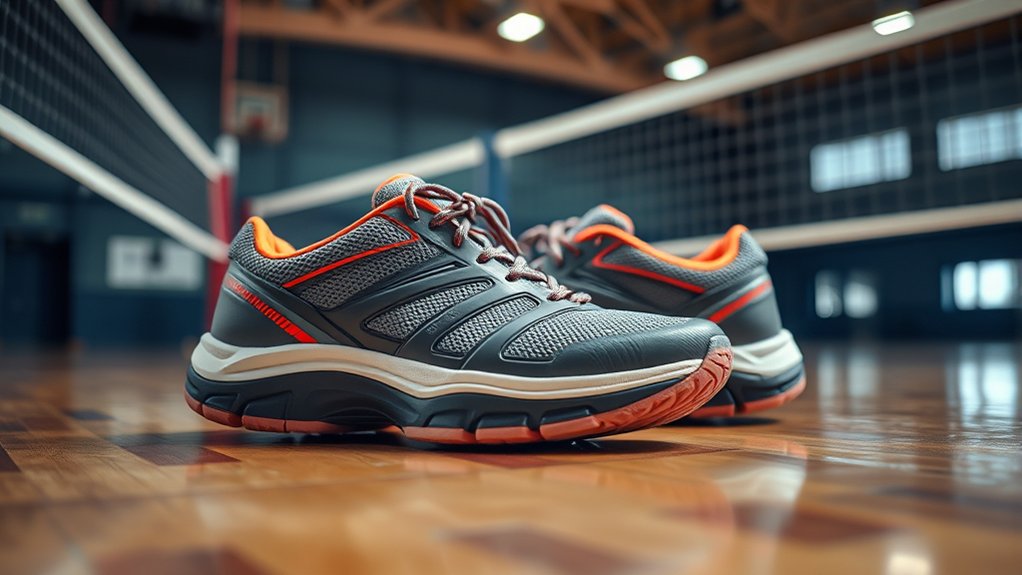
You need the best volleyball shoes with specialized non-marking soles for superior indoor court traction, reinforced ankle support to reduce injury, and calibrated cushioning that absorbs repetitive jumping impact.
Choose shoes matching your playing style—agile movers require enhanced grip and stability, while jump-heavy players benefit from extra cushioning. Trusted brands like ASICS, Mizuno, and Nike offer durable, responsive designs for varied court surfaces.
Understanding these features ensures optimal performance and longevity, with deeper insights available beyond this overview.
Key Takeaways
- The best volleyball shoes have non-marking rubber soles with superior grip for quick lateral movements and sudden stops on indoor courts.
- Shoes with reinforced ankle support and mid-top designs reduce sprain risks while balancing flexibility and stability.
- Players should choose shoes based on playing style, prioritizing cushioning for jumpers and durability for consistent court coverage.
- Top brands like ASICS, Mizuno, Nike, Adidas, and Under Armour offer specialized features such as Gel cushioning, Flyknit support, and Boost energy return.
- Proper shoe care, including cleaning soles after use and air-drying, extends durability and maintains optimal performance.
What Makes Volleyball Shoes Different From Other Sneakers
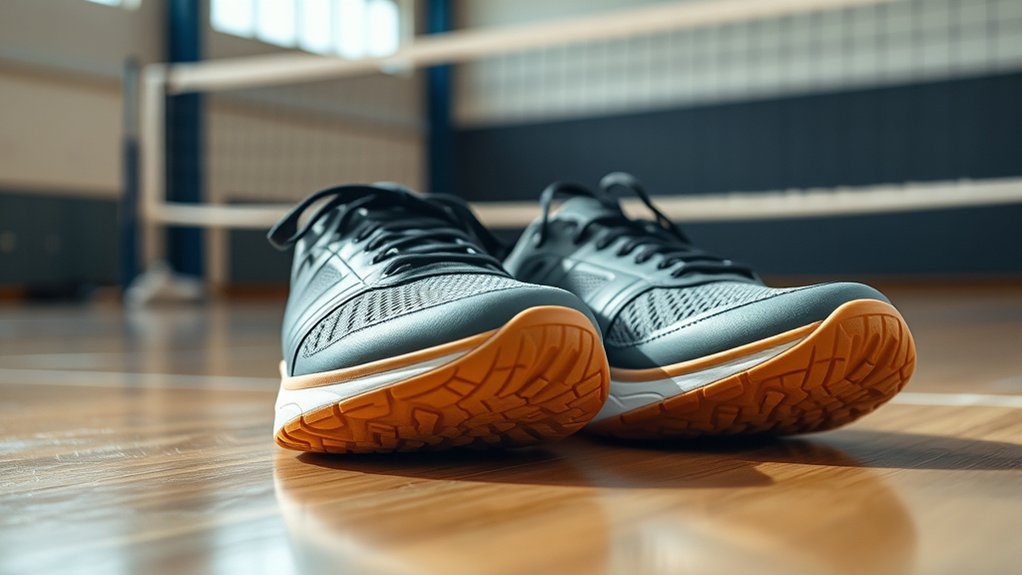
How do volleyball shoes differ from regular sneakers? Unlike general sneakers, volleyball shoes feature specialized soles with an alternative grip designed to enhance traction on indoor courts. This grip uses non-marking rubber compounds optimized for quick lateral movements and sudden stops, preventing slips during play.
Additionally, volleyball shoes provide reinforced ankle support to reduce the risk of sprains caused by rapid directional changes and jumps. Their mid-top design combines stability with flexibility, allowing you to maintain agility without sacrificing protection.
The cushioning system in volleyball shoes is calibrated to absorb impact from repetitive jumping, offering better shock absorption than typical sneakers. These technical adaptations ensure that volleyball shoes meet the specific demands of the sport, delivering performance and injury prevention that standard athletic footwear does not provide.
Choosing Volleyball Shoes for Your Playing Style and Court Type
When selecting volleyball shoes, you need to match them to your specific playing style, whether it emphasizes quick lateral movements or powerful jumps. Additionally, consider the court surface. Indoor shoes differ in traction and cushioning compared to those designed for outdoor or sand courts. Choosing the right combination ensures maximum performance and injury prevention.
Playing Style Considerations
Why do your playing style and court type matter when selecting volleyball shoes? Your play style directly influences the shoe features you need, especially regarding shoe durability and support. If you’re a quick, agile player who makes frequent lateral movements, you’ll want shoes with superior grip and stability.
Conversely, if you rely on strong jumps and landings, cushioning and impact absorption are critical. Consider these factors to optimize performance and reduce injury risk:
- Explosive movers need reinforced midsoles for shock absorption
- Defensive specialists benefit from lightweight, flexible uppers
- Power hitters require enhanced ankle support for stability
- Consistent court coverage demands durable outsole materials
- Versatile players should balance traction, cushioning, and durability
Matching your shoes to your play style ensures comfort, longevity, and peak performance.
Court Surface Compatibility
Which court surface do you primarily play on, and how does it impact your shoe choice? Volleyball courts vary: wood, synthetic, or outdoor surfaces, and each demands specific shoe features.
For indoor courts, prioritize shoes with superior court grip to prevent slipping during quick lateral movements. Look for non-marking rubber soles engineered for optimal traction on polished wood or synthetic floors.
Indoor durability is critical; materials must withstand abrasive surfaces and frequent stops without compromising flexibility. If you play outdoors, you’ll need shoes designed with tougher outsoles to handle rougher textures but with less emphasis on court grip optimized for indoor floors.
Matching your shoes to the court surface enhances performance and reduces injury risk by providing appropriate support, traction, and wear resistance tailored to your environment.
Trusted Volleyball Shoe Brands Players Rely On
How do top volleyball players consistently find footwear that enhances their performance and durability on the court? They trust brands that prioritize advanced technology to improve ball handling and maximize jump height.
These brands invest in research to optimize sole grip, cushioning, and stability, ensuring you maintain agility and power during intense matches.
Look for these trusted volleyball shoe brands:
- ASICS: Known for Gel cushioning and durable outsole.
- Mizuno: Offers excellent midsole responsiveness.
- Nike: Integrates Flyknit technology for lightweight support.
- Adidas: Features Boost cushioning for energy return.
- Under Armour: Focuses on ankle support and breathable materials.
Choosing any of these brands ensures you get footwear engineered to elevate your game with precision and reliability.
Volleyball Shoes for Indoor vs. Outdoor Courts
Where you play volleyball considerably impacts the type of shoe you should choose. Indoor vs outdoor court surface compatibility demands specific features.
Indoor shoes prioritize non-marking rubber soles with excellent grip on polished hardwood or synthetic courts, enhancing traction and preventing slips. Their midsoles often incorporate cushioning systems optimized for shock absorption on hard surfaces.
Conversely, outdoor volleyball shoes require more durable outsole materials to withstand rougher, abrasive surfaces like asphalt or sand. They typically feature reinforced uppers and more aggressive tread patterns for enhanced stability and dirt resistance.
Selecting shoes that match court surface compatibility improves performance and reduces injury risk. Understanding these distinctions ensures you pick shoes tailored to your playing environment, optimizing both durability and functional support during your volleyball sessions.
Lightweight Volleyball Shoes to Boost Agility
Choosing the right volleyball shoes goes beyond matching them to the court surface. When you prioritize lightweight footwear with an agility focus, you enhance your quickness, reaction time, and overall court performance.
Lightweight shoes reduce fatigue during fast-paced play, allowing you to maintain explosive movements.
Look for features that optimize agility, such as:
- Minimal weight without sacrificing support
- Responsive midsoles for quick energy return
- Low-profile design to improve stability
- Breathable materials to keep feet cool
- Flexible outsoles for multidirectional movement
Durable Volleyball Shoes Built to Last on the Court
What factors determine the durability of volleyball shoes? Primarily, it’s the quality of long lasting materials and construction techniques.
Manufacturers subject shoes to rigorous durability testing, replicating the intense lateral movements, jumps, and landings common in volleyball.
You’ll want shoes crafted from abrasion-resistant uppers like synthetic leather or engineered mesh reinforced with TPU overlays, which prevent premature wear.
The outsole should feature dense rubber compounds that resist scuffing and maintain traction on indoor courts.
Additionally, midsole cushioning with resilient foams like EVA or PU ensures the shoe maintains structural integrity under repetitive impact.
How to Care for Your Volleyball Shoes and Extend Their Life
Although durable materials and construction enhance your volleyball shoes’ lifespan, proper care plays an equally critical role in preserving their performance and structural integrity. To extend the life of your shoes, focus on consistent care tips and sole maintenance. Neglecting these can degrade traction and support, impacting your game.
- Clean soles after each use to prevent dirt buildup that reduces grip.
- Air-dry shoes away from direct heat to avoid material warping.
- Rotate shoes between sessions to allow moisture evaporation.
- Inspect for wear regularly and address minor damage promptly.
- Store shoes in a cool, dry place to prevent material breakdown.
Implementing these technical steps ensures your volleyball shoes maintain optimal function and durability over time.
Frequently Asked Questions
Can Volleyball Shoes Help Prevent Ankle Injuries?
Yes, volleyball shoes with volleyball specific ankle padding provide targeted support, reducing injury risk. Their lightweight stability enhances quick lateral movements, helping you maintain balance and control, ultimately preventing ankle injuries during intense play.
Are There Volleyball Shoes Designed Specifically for Kids?
Yes, kids footwear designed for volleyball offers enhanced shoe durability and support tailored to growing feet. These shoes incorporate reinforced soles and ankle stability features, ensuring safety and performance during intense play for young athletes.
How Often Should Volleyball Shoes Be Replaced?
You should track your replacement cadence by monitoring shoe durability, assessing sole wear, cushioning compression, and structural integrity. Typically, replacing volleyball shoes every 6-12 months ensures optimal performance, injury prevention, and consistent support during intense play.
Do Volleyball Shoes Provide Enough Arch Support?
Volleyball shoes typically offer moderate arch support, but it varies by model. You’ll want sufficient arch support to maintain stability and reduce ankle injuries.
Consider custom insoles if you need extra arch support for injury prevention.
Can Volleyball Shoes Be Used for Other Sports?
Nearly 70% of athletes use volleyball footwear beyond the court. While designed for optimal grip and lateral support, their cross sport usability suits indoor activities but may lack cushioning for high-impact sports like running or basketball, so choose accordingly.
Conclusion
When selecting volleyball shoes, you want gear that fits like a glove—offering the right support, traction, and durability for your specific court and playing style. Trustworthy brands provide lightweight, resilient options that enhance agility and withstand rigorous play.
Remember, proper care can markedly extend your shoes’ lifespan, saving you money and performance headaches. Invest wisely, and you’ll be set to dominate the court with confidence and precision.
Choosing the best volleyball shoes will ensure you have the support and durability needed to excel in every match.