What Does Sp Mean in Shoes
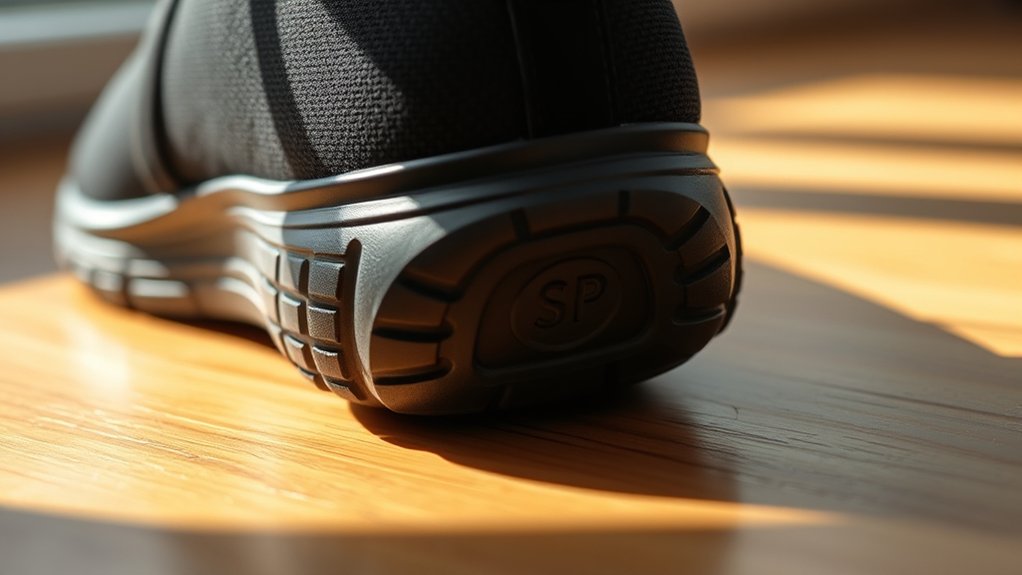
When you see “SP” in shoes, it means the shoe has a special or sport-specific fit designed for unique foot shapes or activity needs. It often indicates a narrower width or tailored contours, distinct from standard sizes.
Since “SP” sizing isn’t standardized, you should check each brand’s guidelines carefully to avoid sizing errors. Choosing SP shoes can improve comfort and support when you need a precise fit.
Keep exploring to understand how SP sizes truly affect fit and performance.
Key Takeaways
- SP in shoes typically stands for Special or Sport sizing, indicating unique fit or design variations.
- It often signifies a narrower or tailored fit compared to standard sizes.
- SP sizing is not standardized and varies by brand, requiring reference to manufacturer guidelines.
- Brands use SP sizing to offer specialized footwear for specific foot shapes or activity needs.
- Choosing SP sizes improves fit and comfort, especially for those needing narrower or performance-focused shoes.
What Does “SP” Mean in Shoe Sizing?
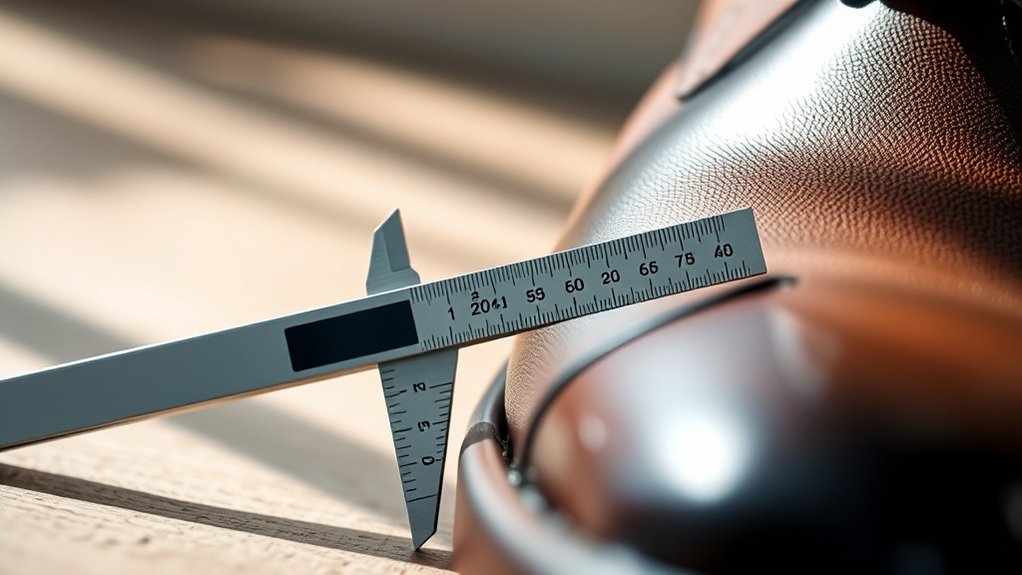
What does “SP” stand for in shoe sizing, and why does it matter? “SP” typically denotes “Special” or “Sport” sizing, indicating shoes designed with unique fit specifications or enhanced features. It’s a controversial topic since some consumers confuse “SP” with standard sizes, leading to sizing errors.
Unlike an unrelated concept such as width sizing, “SP” specifically targets length and structural variations rather than overall shoe width. Understanding “SP” helps you select footwear that accommodates particular foot shapes or activity needs.
This designation isn’t standardized across brands, so you must refer to manufacturer guidelines to interpret what “SP” means for each shoe model. Recognizing “SP” ensures you avoid misfits and enhance comfort tailored to specific foot dynamics.
Differences Between “SP” and Standard Shoe Sizes
How do “SP” sizes differ from standard shoe sizes? “SP” sizing often represents a specific fit or design variation that deviates from conventional measurements. Understanding these differences requires attention to detail and spelling accuracy, as misinterpretation can lead to confusion.
- Measurement Standards: “SP” sizes may use alternative length or width criteria, differing from the uniform metrics in standard sizing.
- Fit Profile: The “SP” designation often indicates a specialized fit, such as slimmer or wider contours, not captured in regular sizes.
- Terminology Usage: “SP” is sometimes employed as marketing jargon to denote exclusivity or a tailored product line, rather than a purely technical size.
Why Do Shoe Brands Use “SP” Sizes?
You use “SP” sizes because they help create a standardized fit tailored to specific markets or foot shapes.
Brands also use these sizes to set themselves apart by offering unique sizing options. Understanding this helps you choose shoes that fit better and reflect each brand’s design strategy.
Standardized Sizing Purpose
Shoe brands use “SP” sizes to maintain consistent fit standards across different markets and manufacturing processes. This standardized sizing system ensures spacing accuracy and adherence to strict manufacturing standards, which are essential for delivering reliable fit and comfort. When you see “SP” on shoe labels, it indicates that the size follows specific criteria designed to minimize variation.
Here’s why standardized sizing matters:
- Spacing Accuracy: It controls the exact dimensions between shoe components, ensuring each pair fits as intended.
- Global Consistency: It allows shoes to meet uniform size expectations internationally despite regional differences.
- Manufacturing Standards: It streamlines production by aligning size specifications across factories, reducing errors and returns.
Using “SP” sizes helps you trust the fit, no matter where the shoes are made or sold.
Brand Differentiation Strategy
Why do brands adopt “SP” sizing to distinguish themselves in a crowded market? They leverage “SP” sizes as a deliberate brand differentiation strategy, enhancing brand positioning by offering a unique fit option. This sizing variation signals to consumers that the brand prioritizes precise fit and comfort, setting it apart from competitors relying solely on standardized measurements.
By integrating “SP” sizes into their retail storytelling, brands communicate a commitment to tailored customer experiences, reinforcing loyalty and perceived value. You’ll notice that “SP” sizing often targets niche segments, such as those needing slightly narrower or specialized fits, making the product offering more inclusive.
Ultimately, using “SP” sizes helps brands carve a distinctive identity, elevating their market presence through both technical innovation and strategic narrative in retail environments.
How “SP” Sizes Impact Fit and Comfort
How does the “SP” designation affect the fit and comfort of your shoes? Understanding sp related sizing is key to optimizing your footwear experience. The “SP” label typically indicates a specialized fit, often narrower or tailored differently, which directly influences comfort implications.
- Width Adjustment: SP sizes usually offer a narrower width, reducing internal foot movement and enhancing stability.
- Arch Support Variation: Some SP models integrate modified arch support to better align with the foot’s anatomy.
- Material Flexibility: SP shoes may use materials that conform more precisely to your foot shape, improving overall comfort.
When Should You Choose “SP” Shoe Sizes?
You should choose “SP” shoe sizes when you need a narrower fit without sacrificing length, as these sizes adjust the width while maintaining standard sizing.
Understanding how shoe manufacturers vary in sizing helps you select “SP” for specific foot shapes or performance needs. This option is ideal if you experience discomfort with regular widths or require a more tailored fit for athletic activities.
Understanding Shoe Size Variations
When should you opt for “SP” shoe sizes? Understanding shoe size variations is essential, especially given contrasting cultures and regional markets that influence sizing standards. “SP” sizes often address these discrepancies to provide a better fit.
Consider these points when navigating size differences:
- You encounter brands tailoring shoes for specific regional markets where “SP” denotes a narrower or slimmer profile.
- Your foot measurements fall between standard sizing charts affected by cultural sizing norms.
- You require precise fitting due to anatomical variances common in certain populations represented by “SP” sizing.
Ideal Situations For SP
Why opt for “SP” shoe sizes? You should consider “SP” when your foot length fits standard measurements but your foot width falls between narrow and medium. The “SP” designation balances length with a slightly narrower fit, addressing the sp vs width challenge.
This sizing is ideal if you find regular widths too loose yet don’t require the extreme narrowness of an “N” width. For casual wear, “SP” shoes provide comfort without sacrificing fit precision, preventing foot slippage and discomfort during extended use.
Choosing “SP” is especially beneficial if you engage in activities demanding moderate flexibility and support, as the tailored width enhances stability. In summary, select “SP” when you need that precise mid-narrow width for everyday casual footwear.
Tips for Finding the Right “SP” Shoe for Your Feet
How can you assure that an “SP” shoe fits your feet perfectly? Navigating sp sizing and addressing fit concerns requires a methodical approach. Here are three essential tips:
- Measure Your Feet Precisely: Use a Brannock device or a digital foot scanner to get accurate length and width measurements. SP sizing often differs from standard sizing, so precise data is critical.
- Understand Brand Variability: Different manufacturers apply sp sizing differently. Consult specific brand size charts and read customer reviews focusing on fit concerns to anticipate discrepancies.
- Test Fit with Movement: Try on the shoes and walk around to ensure the SP fit accommodates foot expansion and pressure points, particularly if you have wide or high-arched feet.
Frequently Asked Questions
Are “Sp” Shoes Available for Both Men and Women?
Yes, you’ll find “sp” sizing in shoes for both men and women, reflecting regional footwear standards. This branding origin impacts supply chain logistics, ensuring consistent fit and availability across diverse markets and demographics.
Do “Sp” Sizes Affect Shoe Return Policies?
Yes, sp sizing can affect your return policy since some retailers treat special sizes as final sale or non-returnable. Always check the return policy specifics before purchasing shoes labeled with sp sizing to avoid surprises.
Can “Sp” Sizing Be Used for Athletic Shoes?
Imagine you’re buying Nike running shoes; yes, sp sizing works for athletic shoes, but brand variability matters. Different brands interpret sp sizing uniquely, so you should always check specific size charts before purchasing for the best fit and performance.
Are “Sp” Shoes More Expensive Than Regular Sizes?
Are “SP” sizing shoes generally pricier due to specialized design and limited availability? Yes, you’ll often notice a price difference compared to regular sizes, reflecting manufacturing costs and niche market demand for those specific fits.
Is “Sp” Sizing Common in All Shoe Brands?
You won’t find sp sizing in every brand; it’s like rare brush strokes on a canvas, varying with brand variations. Some prioritize sp sizing for precision, while others stick to standard molds, so check each label carefully.
Conclusion
So, next time you spot “SP” on your shoe label, don’t panic—it’s just a special size variant designed for a specific fit. Sure, it sounds mysterious, like some secret code only sneaker elites understand, but really, it’s all about comfort and precision.
Remember, choosing “SP” sizes isn’t a fashion gamble; it’s a calculated step toward better fit. So lace up wisely—you’ve got the technical edge now.
Understanding what “SP” means in shoes helps you make smarter choices for comfort and style.