What Are Non Slip Shoes
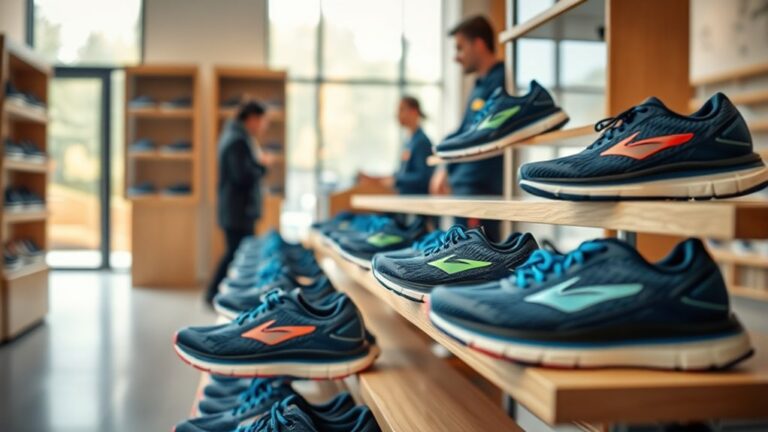
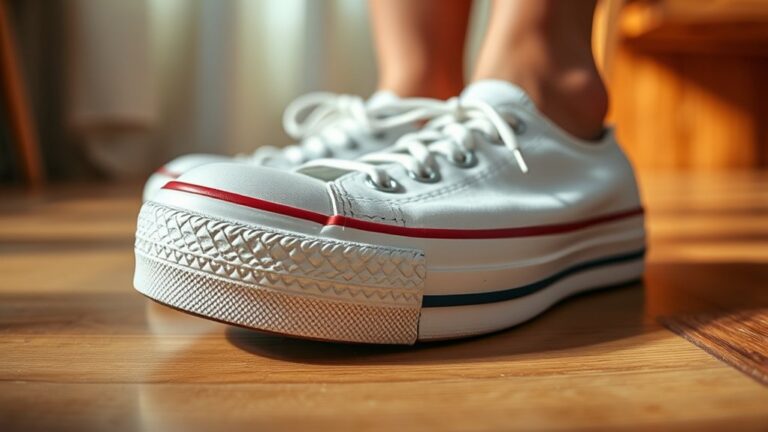
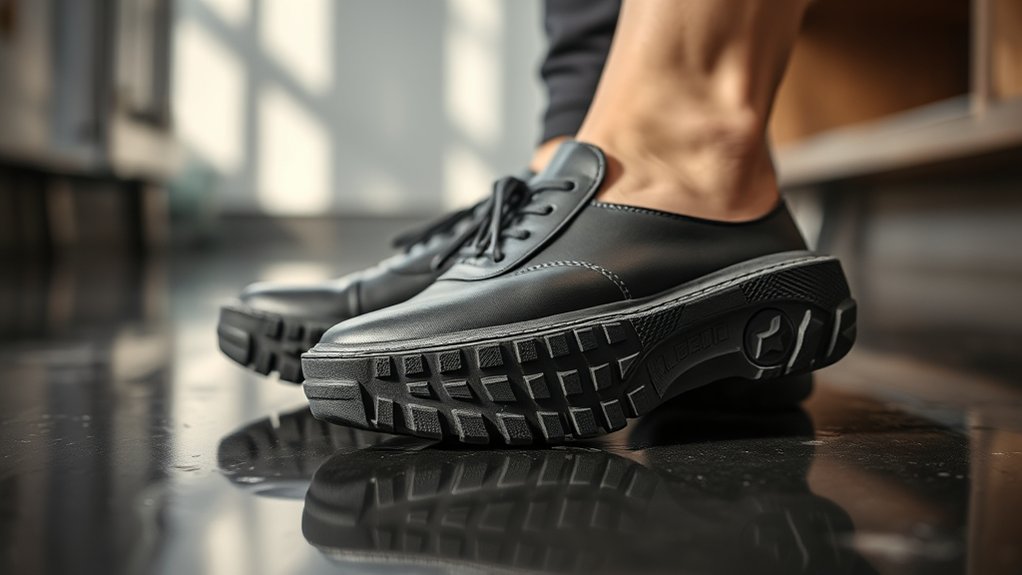
Non slip shoes use specialized outsoles crafted with high-friction rubber compounds and precise tread patterns to enhance traction on wet or oily surfaces. These soles feature multi-directional grooves and sipings that channel liquids away and increase flexibility for stable footing.
Designed to reduce slip risks while providing ergonomic support, they suit professionals in healthcare, food service, and construction. To understand how materials and design optimize grip and safety, keep exploring what makes these shoes effective.
Key Takeaways
- Non slip shoes feature specialized outsoles designed to enhance traction and prevent slipping on wet or oily surfaces.
- They use rubber or polyurethane soles with high friction coefficients for durability and slip resistance.
- Tread patterns with multi-directional grooves and sipings channel liquids away to maintain grip.
- These shoes are commonly worn by professionals in healthcare, food service, manufacturing, and construction to improve safety.
- Comfort elements like cushioned insoles and ergonomic support reduce foot fatigue during prolonged wear.
What Non Slip Shoes Are and How They Work
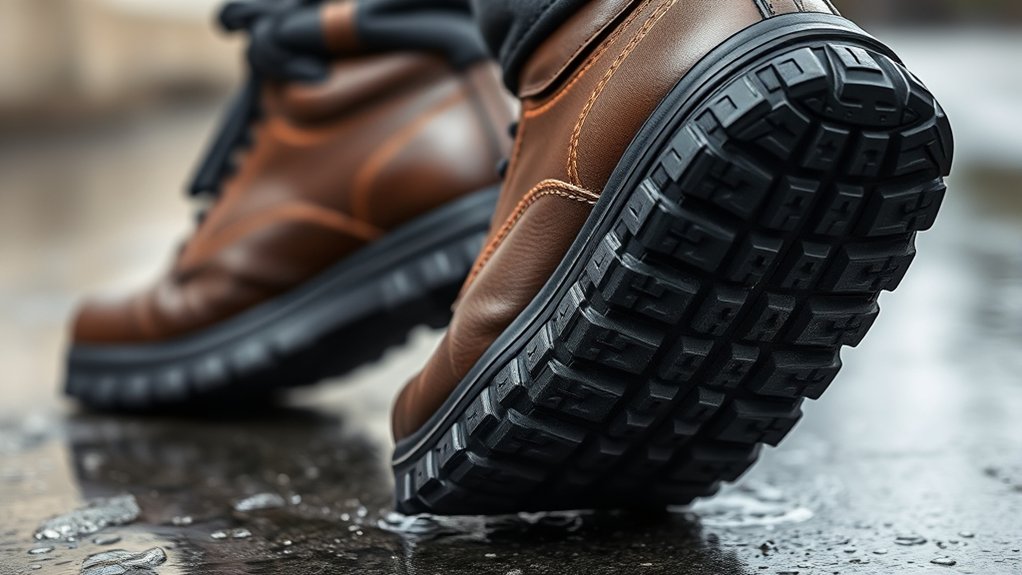
How do non slip shoes prevent accidents in slippery environments? These shoes utilize specialized outsoles engineered for enhanced slip resistance. The soles incorporate rubber compounds with high friction coefficients and tread patterns designed to channel liquids away, maintaining maximum surface contact.
This design minimizes the risk of slipping on wet or oily floors. Additionally, non slip shoes integrate comfort features such as cushioned insoles and ergonomic support to reduce foot fatigue during prolonged wear. You’ll find that these elements work synergistically, ensuring both safety and comfort.
Who Should Wear Non Slip Shoes
Understanding the mechanics behind non slip shoes highlights their importance in specific environments and roles. You should wear non slip footwear if your work or daily activities expose you to slippery surfaces, such as wet floors, oily areas, or uneven terrain.
Professionals in healthcare, food service, manufacturing, and construction industries benefit significantly from these shoes to reduce slip-related injuries. Additionally, if you regularly navigate outdoor environments prone to moisture or ice, non slip shoes enhance your stability and safety.
Non slip footwear is essential for anyone requiring reliable traction to prevent falls and maintain optimal balance during dynamic movements. Identifying who should wear these shoes depends on assessing slip hazards in your environment and prioritizing injury prevention through appropriate footwear selection.
Materials and Sole Designs That Make Non Slip Shoes Grip Better
A critical factor in enhancing the grip of non slip shoes lies in the selection of sole materials and tread patterns. You’ll find that specific non slip materials and sole designs optimize traction by increasing friction and channeling liquids away. These elements reduce slip risks on various surfaces.
Key aspects include:
- Rubber compounds: Offer high coefficient of friction and durability.
- Polyurethane soles: Provide chemical resistance and slip prevention.
- Tread patterns: Multi-directional grooves improve grip on wet floors.
- Sipings: Fine cuts in soles that enhance flexibility and liquid dispersion.
- Outsole thickness: Balances durability with grip effectiveness.
How to Choose Non Slip Shoes for Your Activities
Selecting the right non slip shoes depends heavily on matching the shoe’s materials and sole design to the specific demands of your activities. You should evaluate the surface conditions you encounter and understand how to test grip effectively.
Avoiding slippery surfaces requires soles with appropriate tread patterns and materials resistant to oils or water. Consider the environment, whether wet, oily, or dry, and select soles accordingly to optimize safety.
| Activity Type | Recommended Sole Material | Key Feature for Grip Testing |
|---|---|---|
| Kitchen Work | Rubber with deep treads | Grip test on wet, oily floors |
| Construction Site | Polyurethane with grooves | Test slip resistance on gravel |
| Healthcare | Rubber with micro-pattern | Test on smooth, wet floors |
| Warehouse | PVC with cross-hatch sole | Evaluate grip on smooth concrete |
| Outdoor Hiking | Vibram soles | Test on mixed wet and dry terrain |
How to Care for Your Non Slip Shoes to Make Them Last
Proper maintenance considerably extends the lifespan and effectiveness of your non slip shoes. To maximize their performance and durability, apply these care tips and durability hacks consistently.
First, clean soles regularly with a soft brush to remove debris that compromises traction. Next, avoid exposure to extreme heat or moisture, which degrades sole materials.
Store shoes in a cool, dry environment to prevent material fatigue. Rotate your footwear to reduce continuous wear on one pair.
Finally, inspect soles periodically for wear patterns; replace shoes once traction diminishes. Implementing these practices ensures your non slip shoes maintain superior grip and structural integrity, maximizing safety and longevity in demanding environments.
- Clean soles with a soft brush after use
- Avoid heat and excessive moisture exposure
- Store in cool, dry conditions
- Rotate usage among multiple pairs
- Inspect soles regularly for wear and replace accordingly
Frequently Asked Questions
Can Non Slip Shoes Be Worn Casually or Only for Work?
You can wear non slip shoes for casual wear; their non slip fashion integrates safety with everyday style. Modern designs combine functional sole technology with aesthetics, allowing you to maintain traction without compromising casual appearance outside work environments.
Are Non Slip Shoes Suitable for Outdoor Sports?
You’ll find 70% fewer slips wearing non slip shoes outdoors, thanks to advanced slip resistance and traction pattern design. Their durability and material quality ensure reliable grip on varied terrain, making them suitable for many outdoor sports.
Do Non Slip Shoes Affect Foot Comfort or Posture?
Non slip shoes can enhance foot comfort by providing stable traction, reducing strain. Their design often includes posture support features that promote proper alignment, minimizing fatigue and improving overall biomechanical efficiency during movement.
How Do Non Slip Shoes Perform on Icy Surfaces?
When you walk on ice, non slip shoes symbolize a lifeline, offering icy traction through specialized tread patterns. These designs grip surfaces precisely, reducing slip risk.
Yet performance varies with temperature and ice texture, requiring careful evaluation.
Are There Stylish Options Available for Non Slip Shoes?
Yes, you’ll find stylish options featuring fashion forward designs that integrate advanced slip-resistant technology without compromising aesthetics. This ensures optimal safety and contemporary appeal for professional or casual environments requiring dependable traction performance.
Conclusion
You might not have realized it, but the moment you slip, non slip shoes become your silent safeguard. They’re engineered with specialized materials and sole patterns to grip precisely when you need it most.
Whether you work in a bustling kitchen or walk rainy sidewalks, choosing the right pair assures your safety and confidence. With proper care, these shoes maintain their effectiveness, coincidentally protecting you exactly when accidents are most likely to happen.
In conclusion, investing in non slip shoes is a smart choice to help prevent falls and keep you steady on your feet in any situation.