Are Trail Running Shoes Good for Hiking
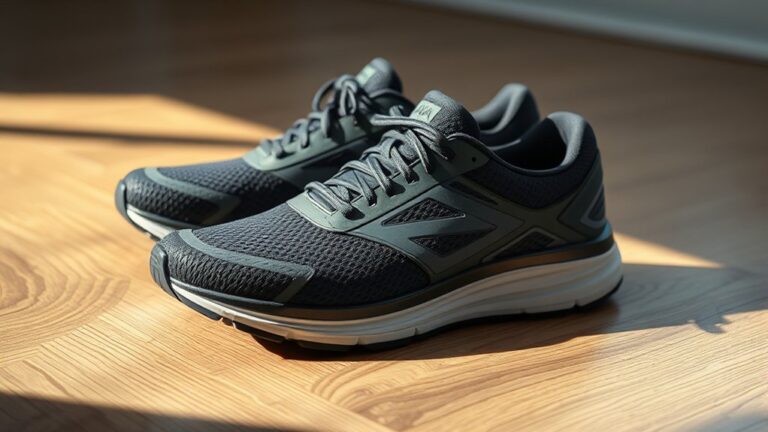
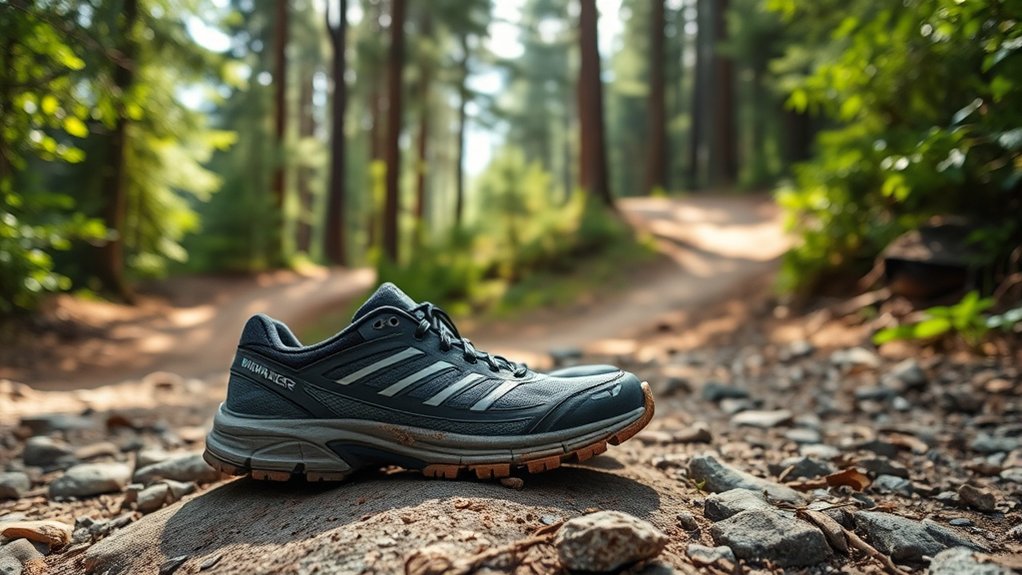
You can use trail running shoes for hiking when you want lightweight, breathable footwear that supports speed and agility on well-maintained, moderate trails. Trail running shoes offer strong grip, flexibility, and comfort, reducing fatigue on longer hikes.
However, they lack the ankle support and durability needed for rough, uneven terrain or carrying heavy packs. If you’re curious about how they compare to hiking boots or want tips to get the most from them, there’s more insight ahead.
Key Takeaways
- Trail running shoes are ideal for well-maintained trails with moderate terrain and prioritize speed and agility.
- They offer lightweight design, breathability, and flexibility, reducing fatigue on long hikes.
- Trail running shoes provide strong grip and durability but may lack sufficient ankle support on rough terrain.
- They are less suitable for rocky, muddy, or slippery conditions that require more stability and aggressive tread.
- Using gaiters and grip sprays can optimize trail running shoes for hiking in varied trail conditions.
Are Trail Running Shoes Right for Your Hike?
When should you consider using trail running shoes for your hike? If you’re tackling well-maintained trails with moderate terrain, these shoes can be a great fit. Their lightweight design helps you move quickly without feeling weighed down, making them ideal for hikes where speed and agility matter.
You’ll also appreciate how trail running shoes often offer better gear compatibility with lighter packs and hydration systems, enhancing your overall experience. However, if your route involves rough, uneven surfaces or requires significant trail maintenance, you might want to think twice.
Trail running shoes provide less ankle support and protection compared to heavier boots, so weigh your trail conditions carefully. Choosing the right footwear depends on balancing trail demands with the gear you plan to carry.
Key Differences Between Trail Running Shoes and Hiking Boots
Understanding the differences between trail running shoes and hiking boots can help you choose the best option for your specific hike. Trail running shoes usually offer a snug trail fit, designed to keep your feet secure during fast, dynamic movements.
Hiking boots, on the other hand, prioritize ankle support and durability for rough, uneven terrain. When it comes to sole grip, hiking boots tend to have deeper lugs and more aggressive tread patterns for better traction on slippery or rocky surfaces.
Trail running shoes provide good sole grip but focus more on flexibility and lighter weight. While hiking boots often feel heavier and stiffer, trail running shoes emphasize comfort and breathability.
Knowing these distinctions ensures you pick footwear that matches your trail conditions and hiking style.
Benefits of Trail Running Shoes for Hiking
Why choose trail running shoes for hiking? They offer excellent trail durability, ensuring your shoes withstand rough terrain without wearing out quickly. Plus, their grip performance on varied surfaces helps keep you stable and confident on slippery or uneven paths. You’ll also appreciate their lightweight design, which reduces fatigue during long hikes.
| Benefit | Explanation |
|---|---|
| Trail Durability | Resistant materials for longevity |
| Grip Performance | Aggressive outsoles for traction |
| Lightweight | Easier movement and less fatigue |
| Breathability | Keeps feet dry and comfortable |
| Flexibility | Enhances natural foot motion |
These advantages make trail running shoes a practical option if you want reliable footwear that supports agile hiking.
Hiking Conditions That Challenge Trail Running Shoes
How do trail running shoes hold up under tough hiking conditions? When trails get rocky or muddy, their trail flexibility can be a double-edged sword. While flexibility helps with comfort and quick movements, it might not provide enough support on uneven terrain or steep ascents.
You may notice the soles bending too much, which can tire your feet faster. Grip durability is another concern. Trail running shoes often use softer rubber compounds for traction, but on long hikes with abrasive surfaces, this can wear down quickly, reducing stability.
Wet or slippery conditions also test their grip performance. If you’re tackling rugged, technical trails or carrying a heavy pack, these challenges could impact your shoe’s effectiveness and your overall hiking experience.
Tips to Optimize Trail Running Shoes for Hiking
Although trail running shoes may face challenges on rugged or slippery trails, you can take specific steps to enhance their performance for hiking. Focus on proper trail maintenance awareness to avoid overly rough terrain that can damage your shoes. Prioritize footwear ventilation by choosing shoes with breathable materials to keep your feet dry and comfortable.
| Tip | Benefit |
|---|---|
| Use gaiters | Keeps debris out |
| Apply grip-enhancing spray | Improves traction on slippery spots |
| Maintain outsole tread | Extends shoe lifespan |
These tips help you optimize your trail running shoes, making them more suitable for hiking. By combining smart trail maintenance and proper shoe care, you can enjoy better comfort, durability, and performance on your hikes.
Frequently Asked Questions
Can Trail Running Shoes Be Used for Backpacking With Heavy Loads?
When Sarah tried backpacking with heavy loads, her trail running shoes lacked proper load distribution, causing discomfort. While they offer lightweight traction, you’ll need sturdier boots to support your pack and protect your feet on long, heavy treks.
How Do Trail Running Shoes Perform in Snowy or Icy Conditions?
Trail running shoes often lack snow traction and insulation performance, so you might slip or feel cold in snowy or icy conditions.
Consider adding traction devices or choosing insulated boots for better safety and warmth.
Are Trail Running Shoes Suitable for Multi-Day Hiking Trips?
You know what they say: “Don’t put all your eggs in one basket.” Trail running shoes offer great trail protection and flexible sole durability, but for multi-day hikes, you might want sturdier boots to ensure long-lasting comfort and support.
What Is the Average Lifespan of Trail Running Shoes Compared to Hiking Boots?
Trail running shoes typically last 300-500 miles due to cushioning wear, while hiking boots endure longer with better traction durability.
You’ll need to replace trail shoes more often since their durable cushioning breaks down faster under rough conditions.
Can Trail Running Shoes Prevent Common Hiking Foot Injuries?
Trail running shoes offer lighter trail protection but can’t fully prevent foot injuries like sprains or blisters on rough terrain.
You’ll need sturdy support and ankle stability hiking boots provide for better injury prevention.