What Are Orthopedic Shoes
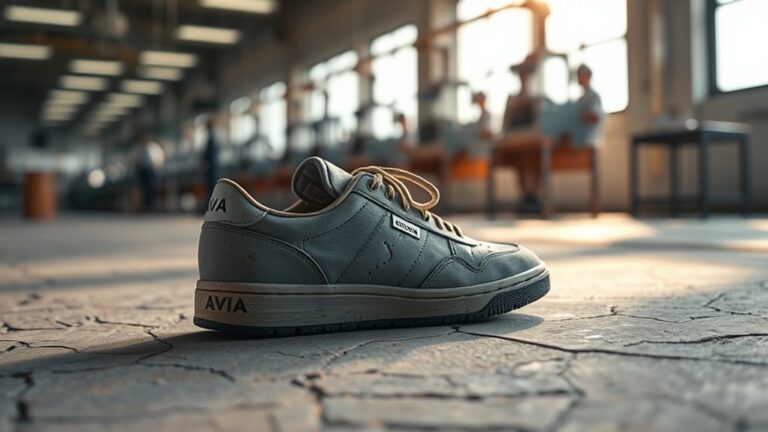
Orthopedic shoes are specially designed footwear that support and align your feet to improve comfort and health. They help manage various conditions such as plantar fasciitis, arthritis, or diabetic foot problems by addressing specific foot issues.
These shoes use advanced materials and custom insoles to provide stability, cushioning, and pressure relief. Functionality is prioritized over fashion to ensure optimal foot support.
Orthopedic shoes accommodate variations in foot shape and offer enhanced support where standard footwear often falls short. Understanding their unique features and benefits can help you choose the right shoes for your foot health needs.
Key Takeaways
- Orthopedic shoes are specially designed footwear that support and accommodate foot structure and mechanics.
- They use advanced orthotic materials to provide stability, cushioning, and alignment correction.
- These shoes focus on therapeutic function to relieve conditions like plantar fasciitis, arthritis, and diabetes-related issues.
- Orthopedic shoes often feature customized insoles, reinforced heel counters, and adjustable fits for better support.
- They serve as essential tools for managing foot health when standard shoes fail to offer adequate comfort or relief.
What Are Orthopedic Shoes? Who Should Wear Them?
What exactly are orthopedic shoes, and why might you need them? Orthopedic shoes are specially designed footwear aimed at supporting or accommodating the structure and mechanics of your feet. Crafted using advanced orthotic materials, these shoes provide enhanced stability, cushioning, and alignment correction.
You should consider wearing them if you have conditions like plantar fasciitis, arthritis, diabetes-related foot issues, or post-surgical recovery needs. Unlike conventional shoes, orthopedic options prioritize function over fashion trends, though many modern designs now balance therapeutic benefits with aesthetic appeal.
Choosing the right orthopedic shoe means addressing your specific biomechanical requirements, ensuring improved comfort and reduced pain. These shoes are essential tools in managing foot health, particularly when standard footwear fails to offer adequate support or relief.
Features That Make Orthopedic Shoes Special
How do orthopedic shoes differ from regular footwear in functionality? They incorporate specialized features to support your foot’s biomechanics and enhance comfort.
Key characteristics include:
- Orthotic Design: Customized insoles align your foot properly, reducing strain and distributing pressure evenly.
- Heel Stability: Reinforced heel counters provide enhanced support, preventing excessive motion and improving balance.
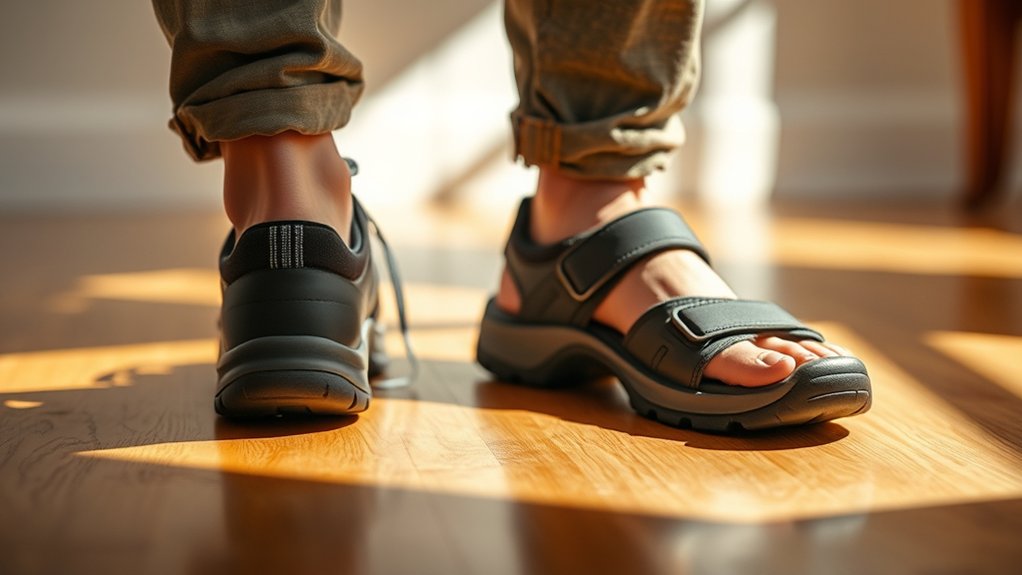
- Adjustable Fit: Features like velcro straps or laces allow you to secure the shoe precisely, accommodating swelling or deformities.
These elements work together to deliver superior support, reduce discomfort, and promote proper foot mechanics. Unlike standard shoes, orthopedic footwear is engineered with your unique structural needs in mind, offering a clinical approach to foot health and function.
How Orthopedic Shoes Help Common Foot Problems
The specialized features of orthopedic shoes address specific foot problems by providing targeted support and correction. If you suffer from conditions like plantar fasciitis, bunions, or flat feet, orthopedic footwear offers enhanced arch support, cushioning, and stability that relieve pain and improve alignment.
These shoes reduce pressure points and distribute weight evenly, preventing the worsening of deformities. Additionally, orthopedic designs consider ankle aesthetics, ensuring that support doesn’t compromise your appearance. You’ll find models that balance therapeutic function with contemporary footwear fashion, allowing you to maintain both comfort and style.
Choosing the Right Orthopedic Shoes for You
When choosing orthopedic shoes, you need to account for your foot shape to guarantee a proper fit that prevents discomfort and further issues.
Focus on selecting shoes that provide adequate support and cushioning tailored to your specific needs. These factors are crucial for maintaining foot health and enhancing overall comfort.
Foot Shape Considerations
Why does your foot shape matter when selecting orthopedic shoes? Your foot shape directly influences comfort, fit, and effectiveness in addressing orthopedic needs. Orthopedic shoes accommodate various foot shapes to reduce pressure points and prevent complications.
Keep these factors in mind:
- Width and Arch Variations: Different foot shapes require specific widths and arch supports to maintain alignment and reduce strain.
- Toe Box Size: Your toe shape affects the necessary toe box dimensions; a cramped toe box can worsen deformities or cause pain.
- Sizing Variance: Orthopedic shoe sizing often differs from standard shoes due to specialized construction, so precise measurement and fit are essential.
Recognizing your foot shape ensures you choose orthopedic shoes that provide appropriate relief and support, improving overall foot health and mobility.
Support and Cushioning
Understanding your foot shape lays the foundation for selecting orthopedic shoes that meet your specific needs. Once you know your foot’s contours, focus on support and cushioning. Proper arch support is critical; it stabilizes your foot, reduces strain, and promotes correct alignment.
Orthopedic shoes often incorporate ergonomically designed insoles tailored to your arch type, whether low, neutral, or high. Equally important are comfort materials used in the shoe’s construction, such as memory foam or gel padding, which absorb shock and minimize pressure points.
These materials enhance overall comfort while protecting sensitive areas. When choosing shoes, ensure the cushioning complements your activity level, providing adequate impact absorption without compromising stability. Prioritize these elements to maintain foot health and prevent complications over time.
How to Break In and Care for Orthopedic Shoes
You should break in your orthopedic shoes gradually, wearing them for short periods to allow your feet to adjust comfortably.
Regular cleaning and proper maintenance will extend their durability and support. Following these steps ensures optimal fit and hygiene for long-term use.
Gradual Wear-In Tips
How should you approach breaking in orthopedic shoes to ensure both comfort and longevity? Gradual wear in is essential to adapt your feet and the shoe materials without causing discomfort or damage. Follow these break in tips to optimize the process:
- Start Slowly: Wear your orthopedic shoes for 1-2 hours daily during the first week, allowing your feet to adjust gradually.
- Monitor Fit and Comfort: Check for pressure points or irritation regularly. Adjust insoles or lacing if necessary to improve fit.
- Increase Duration Incrementally: Gradually extend wear time by 1-2 hours every few days until you can wear the shoes comfortably all day.
These steps minimize the risk of blisters or soreness and help maintain the structural integrity of your orthopedic shoes, ensuring they provide effective support over time.
Cleaning And Maintenance
When should you clean and maintain your orthopedic shoes to preserve their function and durability? Ideally, you should clean them regularly, especially after exposure to dirt or moisture. Use mild cleaning products designed for delicate materials to avoid damaging the shoe’s structure.
Avoid harsh chemicals that can degrade supportive components. For odor control, ensure your shoes dry completely after each use; moisture fosters bacterial growth and unpleasant smells. You can also use specialized deodorizing sprays or inserts to maintain freshness.
To break in new orthopedic shoes, wear them for short intervals initially, gradually increasing duration to allow your feet to adjust without discomfort. Routine inspection for wear and tear is essential. Address any damage promptly to maintain optimal support and prolong the lifespan of your orthopedic footwear.
Where to Buy Orthopedic Shoes and How to Get the Best Fit
Where can you find orthopedic shoes that combine both comfort and medical efficacy? Exploring diverse shopping options is critical. Specialized stores, online platforms, and medical supply outlets offer varied selections, each reflecting distinct pricing trends influenced by brand, materials, and customization.
To ensure the best fit, consider these steps:
- Measure your feet accurately, accounting for swelling and orthotic inserts.
- Consult with a podiatrist or orthopedist to identify the best shoe type for your condition.
- Test shoes by walking in them, focusing on support, cushioning, and pressure points.
Prioritize shoes with adjustable features like straps or laces to accommodate foot changes. Remember, proper fit not only enhances comfort but also maximizes therapeutic benefits, reducing the risk of further complications.
Frequently Asked Questions
Can Orthopedic Shoes Be Worn With Custom Orthotics?
Yes, you can wear orthopedic shoes with custom orthotics. Ensure orthotics compatibility by selecting shoes designed to accommodate them.
Consider your activity needs to maintain comfort, support, and proper alignment during daily or specialized movements.
Are Orthopedic Shoes Suitable for Sports Activities?
Orthopedic shoes can be suitable for sports activities if designed with orthotics compatibility and proper support. They help maintain athletic performance while reducing injury risk.
Choose models specifically engineered for dynamic, high-impact movements.
How Long Do Orthopedic Shoes Typically Last?
Orthopedic shoes typically last 6 to 12 months, their lasting quality hinging on material durability and usage intensity.
You’ll find that proper care extends their lifespan, maintaining optimal support and comfort throughout daily wear.
Do Orthopedic Shoes Come in Stylish Designs?
You’ll find orthopedic shoes in various styles, balancing materials for durability and comfort. Pricing varies, affecting accessibility, but many brands now offer stylish, functional options that meet both medical needs and aesthetic preferences.
Can Children Wear Orthopedic Shoes?
You’ll find children wear orthopedic footwear designed to gently support their developing feet. These shoes provide precise alignment and comfort, ensuring proper growth while addressing specific needs with clinical effectiveness and tailored structural support.