Do Dry Cleaners Clean Shoes
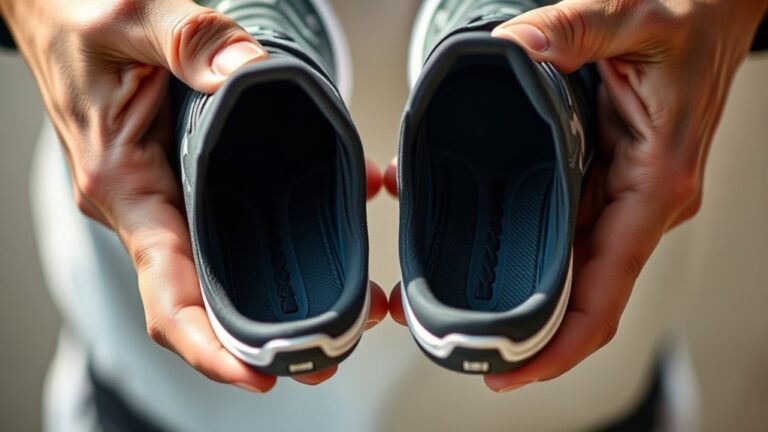
Yes, dry cleaners can clean shoes using specialized, solvent-based methods that protect delicate fabrics like canvas, nylon, and polyester. These methods are designed to remove stains without the use of water, which helps minimize damage and preserve the shoe’s integrity.
Dry cleaners excel at treating certain types of stains, making them a good option for maintaining shoe appearance. However, leather and suede shoes require extra care and attention to avoid damage.
Some embellished or heavily soiled shoes may not be suitable for dry cleaning. Preparing your shoes properly before cleaning helps ensure the best possible results. If you want to understand which shoes are ideal for dry cleaning and how the process works, there’s more to explore.
Key Takeaways
- Dry cleaners offer specialized shoe cleaning using solvent-based methods that remove stains without water, protecting delicate materials.
- They effectively clean fabric shoes like canvas, synthetic mesh, nylon, and polyester, but may avoid heavily embellished or waterproof footwear.
- Leather and suede shoes require specialized treatments, which not all dry cleaners provide, making expert services preferable for these materials.
- Preparation includes removing loose dirt, insoles, and laces, and informing cleaners about stains or special care needs.
- Dry cleaning shoe costs typically range from $15 to $50 per pair, with turnaround times of 2 to 7 days depending on service complexity.
Can Dry Cleaners Clean Your Shoes?
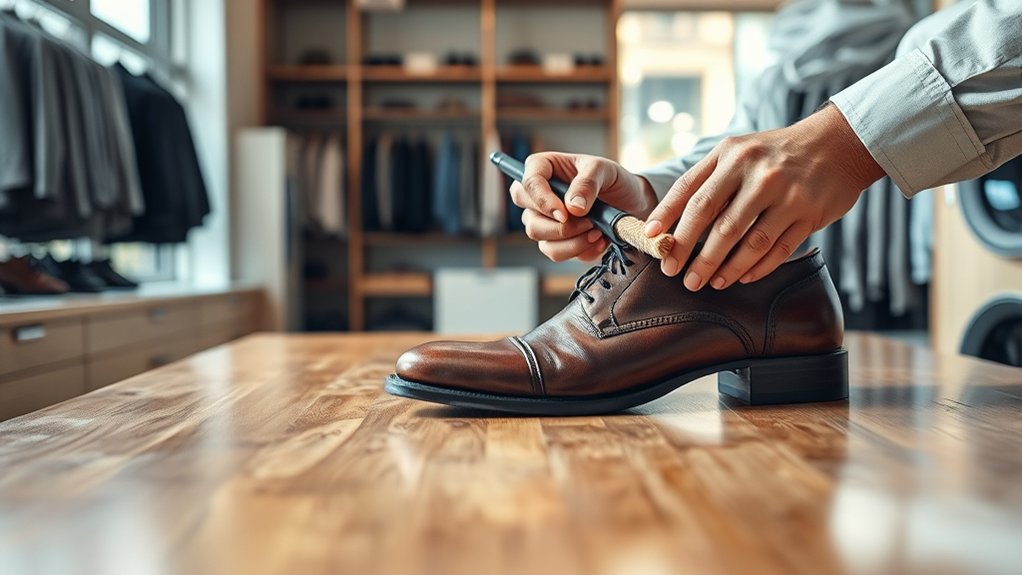
How effective are dry cleaners when it comes to cleaning shoes? Dry cleaners can provide specialized shoe care, particularly for fabric or delicate materials, using professional stain removal techniques that you might not manage at home.
They employ solvents and equipment designed to clean without water, reducing the risk of damage. However, their effectiveness depends on the shoe’s material and the type of stain.
While they excel at removing certain stains and dirt, they may not be suitable for all footwear types or heavily soiled shoes. If you want to maintain your shoes’ appearance and extend their lifespan, consulting a dry cleaner can be beneficial, but it’s essential to communicate clearly about the shoe type and stain to ensure appropriate treatment.
Which Types of Shoes Can Dry Cleaners Safely Clean?
You can bring certain fabric shoes to dry cleaners because they handle delicate materials carefully. Leather and suede require specialized treatment, so not all cleaners are equipped to manage them safely.
Athletic and casual shoes often need different cleaning methods, so it’s important to confirm what your dry cleaner can accommodate.
Fabric Shoe Materials
Which fabric shoe materials can dry cleaners safely handle without causing damage? Dry cleaners are well-equipped to clean various shoe fabrics using specialized cleaning methods that preserve the material’s integrity. They effectively manage synthetic textiles and canvas, which respond well to solvent-based cleaning.
However, delicate fabrics require careful assessment to avoid shrinkage or color fading.
| Fabric Type | Cleaning Suitability |
|---|---|
| Canvas | Excellent |
| Synthetic Mesh | Excellent |
| Nylon | Good |
| Cotton | Moderate; risk of shrinkage |
| Polyester | Excellent |
When you bring fabric shoes to a dry cleaner, confirm the fabric type. Proper cleaning methods ensure your shoes retain their appearance and durability without damage.
Leather And Suede Care
When dealing with leather and suede shoes, understanding the specific care requirements is essential to avoid damage during cleaning. You must prioritize shoe safety by recognizing that these materials are sensitive to moisture and harsh solvents often used in dry cleaning.
Solvent risks include discoloration, stiffness, and surface damage. Not all dry cleaners possess the expertise or equipment to safely handle leather and suede shoes. Instead, seek specialized services that use gentle, leather-specific solvents and conditioning treatments.
Always communicate clearly with your cleaner about the shoe type, allowing them to select appropriate methods. By doing so, you minimize solvent risks and preserve the integrity of your leather and suede footwear, ensuring they remain both clean and well-maintained without compromising shoe safety.
Athletic And Casual Shoes
How do dry cleaners approach the cleaning of athletic and casual shoes? They typically focus on materials like canvas, mesh, and synthetic fabrics commonly found in these styles. Given evolving shoe trends, dry cleaners adapt their methods to ensure effective cleaning without compromising shoe structure or color.
They use specialized stain protection techniques to remove dirt, sweat, and grime, avoiding harsh chemicals that could damage fabrics or adhesives. However, not all athletic and casual shoes are suitable for dry cleaning; shoes with delicate embellishments or certain synthetic materials may require alternative care.
Before proceeding, dry cleaners assess each pair to determine the safest, most effective cleaning method, ensuring your shoes maintain their appearance and durability aligned with current shoe trends.
How Do Dry Cleaners Clean Leather, Suede, and Fabric Shoes?
Why do dry cleaners approach leather, suede, and fabric shoes differently? Each material demands specific treatment to maintain shoe care standards and minimize environmental impact.
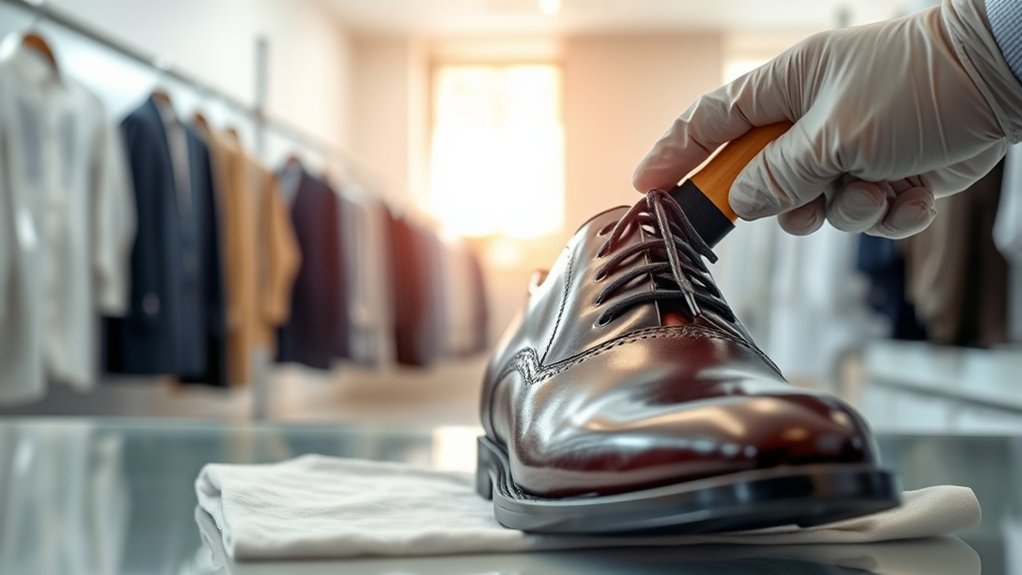
For leather shoes, dry cleaners use gentle solvents that clean without stripping natural oils, preserving flexibility and appearance. Suede requires specialized brushing and mild cleaning agents to avoid water damage and texture loss.
Fabric shoes often undergo a combination of solvent cleaning and spot treatments tailored to fabric type and stains. This targeted approach not only extends the lifespan of your shoes but also reduces chemical waste and energy consumption compared to conventional methods.
When Should You Avoid Using Dry Cleaners for Shoe Cleaning?
Under what circumstances should you steer clear of dry cleaners for your shoe care? You should avoid using dry cleaners when dealing with shoes that require specialized treatments, such as waterproofing or sole repairs, as these fall outside their expertise.
Additionally, delicate materials like exotic leathers or heavily embellished shoes may suffer damage from standard dry cleaning processes. If the shoe’s condition involves unrelated themes, such as structural damage or sole replacement, these issues represent an irrelevant topic for dry cleaners and require a cobbler’s attention.
Moreover, shoes with strong odors or stains linked to chemical exposure might not respond well to dry cleaning solvents. In such cases, alternative cleaning methods or professional shoe repair services are more appropriate to preserve the shoe’s integrity and appearance.
How to Prepare Your Shoes for Dry Cleaning
Before sending your shoes to a dry cleaner, you should thoroughly inspect and prepare them to guarantee the best results. Begin by removing any loose dirt or debris with a soft brush, ensuring you don’t damage delicate materials.
Pay close attention to the shoe’s construction and fabric, as material science informs how different components react to cleaning agents. Detach removable insoles and laces to prevent damage and allow for more effective cleaning.
Check for stains or areas needing special treatment and inform the cleaner accordingly. Proper preparation ensures the dry cleaner can apply appropriate methods, preserving the shoe’s integrity.
Adhering to these shoe care steps minimizes risk and enhances the effectiveness of the cleaning process, prolonging your shoes’ lifespan and maintaining their appearance.
Home and Professional Alternatives to Dry Cleaner Shoe Cleaning
You can clean your shoes effectively using DIY methods with common household items, or you might choose professional shoe cleaning services for specialized care. Each option offers distinct advantages depending on your shoe type, condition, and desired results.
Understanding the differences will help you select the best approach for maintaining your footwear.
DIY Shoe Cleaning Methods
How can you effectively clean your shoes without relying on a dry cleaner? Start by identifying the shoe materials, as cleaning methods vary markedly between leather, canvas, suede, or synthetic fabrics.
For leather, use a damp cloth with mild soap to address surface dirt, followed by a conditioner to maintain suppleness. Suede requires a specialized brush and eraser to lift stains without damaging the nap.
For canvas or synthetic shoes, a mixture of warm water and gentle detergent works well for stain removal. Always test cleaning solutions on a small, inconspicuous area first. Avoid soaking shoes entirely to prevent damage.
Professional Shoe Cleaning Services
Where can you turn when home cleaning methods fall short or require specialized care? Professional shoe cleaning services offer advanced techniques tailored to current shoe trends and materials.
They use specialized equipment and solutions that ensure thorough cleaning without damage. Additionally, some services conduct fragrance testing to guarantee your shoes not only look clean but smell fresh.
| Service Type | Key Features |
|---|---|
| Wet Cleaning | Deep cleans fabric and leather |
| Dry Cleaning | Removes stains, gentle on shoes |
| Deodorizing Services | Fragrance testing, odor removal |
| Restoration | Repairs and material treatment |
Choosing professional options ensures your shoes receive expert care aligned with modern shoe trends, preserving both appearance and comfort.
Comparing Home Vs. Professional
While professional shoe cleaning services offer advanced care with specialized equipment and treatments, many people consider home methods as practical alternatives. When comparing home versus professional solutions, you’ll find that professional services deliver superior results through expertise and targeted cleaning agents, ensuring thorough shoe care.
Conversely, home techniques rely on accessible tools like brushes and mild detergents, focusing on convenience and cost-efficiency. Marketing angles often highlight professional services’ ability to restore and preserve shoe longevity, whereas home methods emphasize simplicity and immediate availability.
Ultimately, your choice depends on the shoe’s material, condition, and your willingness to invest time or money. Understanding these distinctions helps you select the most appropriate shoe care approach, balancing effectiveness with practicality.
What to Expect From Dry Cleaner Shoe Cleaning: Cost and Turnaround Time
When considering dry cleaner shoe cleaning, you’ll want to understand the typical cost and turnaround time involved. Service pricing generally varies depending on the shoe material, condition, and cleaning complexity.
Expect to pay anywhere from $15 to $50 per pair for professional shoe cleaning. High-end or specialty shoes may incur higher fees. Turnaround time typically ranges from 2 to 7 days, depending on the dry cleaner’s workload and specific processes used.
Some establishments offer expedited services for an additional charge. It’s important to ask about these details upfront to set clear expectations. Knowing the cost and timing helps you decide if dry cleaner shoe cleaning suits your needs and budget efficiently.
Frequently Asked Questions
Can Dry Cleaning Damage Shoe Adhesives or Soles?
Yes, dry cleaning can damage shoe adhesives and soles if the solvents used aren’t safe for those materials.
You should ensure solvent safety to avoid weakening adhesives or causing sole separation during cleaning.
Are Eco-Friendly Solvents Used in Shoe Dry Cleaning?
Yes, eco-friendly solvents are increasingly used in shoe dry cleaning to provide a shoe-safe, effective cleaning method. You’ll find these solvents minimize environmental impact while protecting adhesives and materials during the shoe cleaning process.
How Often Should Shoes Be Professionally Dry Cleaned?
You should schedule professional shoe cleaning every 3 to 6 months, depending on use and exposure. Maintaining regular cleaning frequency ensures optimal shoe maintenance, preserves material quality, and extends your footwear’s lifespan effectively.
Do Dry Cleaners Offer Waterproofing After Cleaning?
Think of shoe waterproofing as a shield against rain’s silent assault. Yes, many dry cleaners offer shoe waterproofing alongside shoe odors removal, ensuring your footwear stays fresh and protected.
This service extends your shoes’ life and maintains their appearance professionally.
Can Dry Cleaners Remove Odors From Shoes?
Yes, dry cleaners can perform odor removal and shoe deodorizing using specialized treatments. You’ll benefit from their professional techniques that effectively eliminate unpleasant smells, ensuring your shoes smell fresh and hygienic after cleaning.
Conclusion
Dry cleaners can carefully clean certain shoes, especially fabric and some leather types, but they’re not ideal for all materials. You should steer clear if your shoes are delicate or heavily soiled.
By preparing your pairs properly and understanding the process, you’ll save time and trouble. Whether you choose professional or home solutions, staying savvy about shoe care ensures spotless, stylish steps every time.
Choose wisely and walk confidently. When considering shoe care options, remember that dry cleaners can clean shoes, but knowing when and how to use their services is key to maintaining your footwear’s quality.