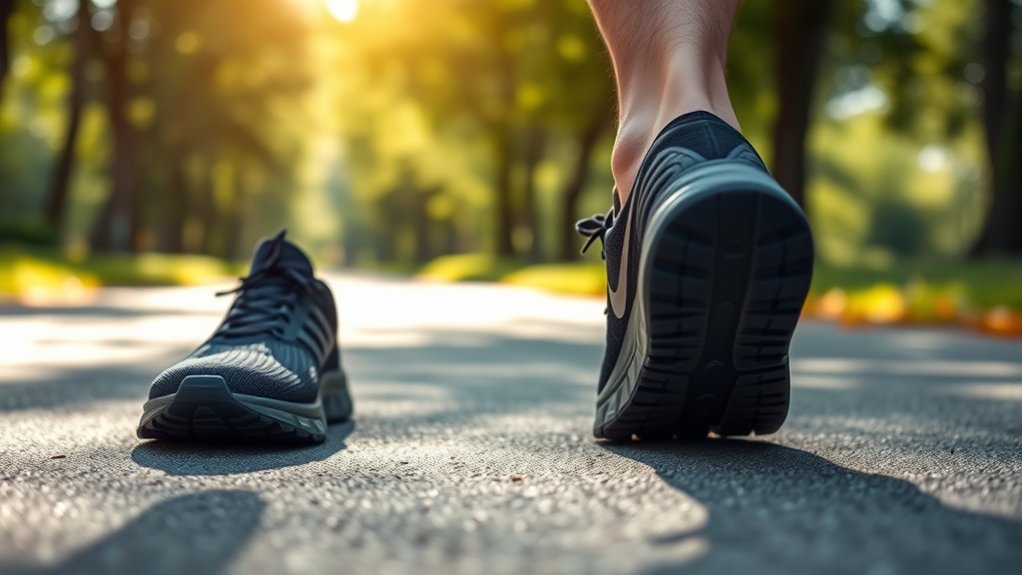
Are Running Shoes Good for Walking
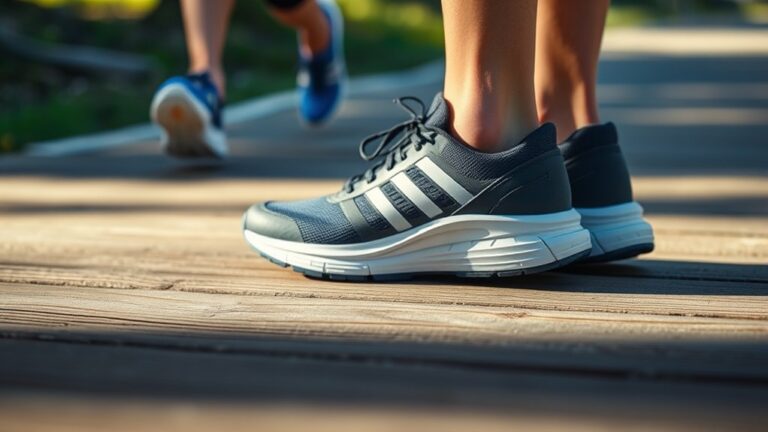
You can wear running shoes for walking, as running shoes offer cushioning and tread that provide shock absorption and traction on varied surfaces. However, the extra cushioning may alter your natural foot strike and reduce ground feedback, potentially affecting your walking form.
They’re best suited for brisk walks or trails but might cause fatigue due to added weight and limited flexibility during long walks. Choosing the right pair and breaking them in properly enhances comfort.
Exploring these factors helps you optimize your walking experience and ensures you get the most benefit from wearing running shoes for walking.
Key Takeaways
- Running shoes offer superior cushioning and traction, making them suitable for walking on varied or uneven terrains.
- Excessive cushioning in running shoes can reduce walking efficiency and natural foot feedback.
- Running shoes with flexible soles support natural foot motion better than stiff walking shoes.
- For long or brisk walking, running shoes can reduce impact stress but may cause fatigue due to added weight.
- Proper fit, lightweight materials, and gradual break-in improve walking comfort in running shoes.
How Do Running and Walking Shoes Differ?
How exactly do running and walking shoes differ? You’ll notice key differences in cushioning and tread patterns designed for distinct biomechanics. Running shoes typically feature enhanced cushioning to absorb greater impact forces generated during running strides.
Running shoes offer enhanced cushioning to absorb the greater impact forces of running strides.
This cushioning is often concentrated in the heel and forefoot, accommodating the higher impact loading rates. Walking shoes, by contrast, possess firmer midsoles that promote stability and controlled foot motion, given the heel-to-toe rolling gait.
Additionally, tread patterns differ significantly: running shoes have aggressive, multidirectional treads that optimize traction on varied terrains, whereas walking shoes use smoother, simpler tread designs to facilitate continuous ground contact and forward propulsion.
Understanding these technical distinctions helps you select footwear tailored to your specific activity demands, ensuring optimal support and performance.
Do Running Shoes Affect Walking Comfort and Form?
Why might running shoes influence your walking comfort and form? Running shoes are designed with extra cushioning and heel-to-toe drop, which can alter your natural walking biomechanics. This design may impact your walking form by encouraging a different foot strike pattern and stride length.
You might experience changes in comfort levels, depending on how your feet adapt to these features.
| Feature | Impact on Walking Form |
|---|---|
| Cushioning | May reduce ground feedback |
| Heel-to-toe drop | Can modify foot strike angle |
| Sole flexibility | Affects natural foot motion |
Understanding these factors helps you evaluate how running shoes can either enhance or disrupt your walking comfort and form.
When Are Running Shoes Best for Walking?
Understanding the effects of running shoe features on walking form helps identify specific situations where these shoes offer advantages. You’ll find running shoes best for walking when you need enhanced surface specific traction, such as on varied terrains like trails or wet pavements.
Their specialized outsoles provide grip that standard walking shoes often lack. Additionally, if your walking routine is intense or long-distance, running shoes’ cushioning systems can reduce impact stress and support efficient gait mechanics.
However, keep in mind the running shoe lifespan; walking exerts different wear patterns, potentially extending durability compared to running. Using running shoes for brisk walking or fitness walking on mixed surfaces maximizes their design benefits.
What Are the Drawbacks of Running Shoes for Walking?
You might find that running shoes have excessive cushioning, which can reduce your walking efficiency by dampening the natural foot strike. Their added weight may also cause fatigue during long walks, and limited flexibility can restrict the natural movement of your foot.
These factors can negatively impact your overall walking comfort and performance.
Excessive Cushioning Impact
How does excessive cushioning in running shoes affect your walking experience? While excessive cushioning aims to maximize impact reduction during running, it can negatively influence your walking mechanics.
Running shoes often feature thick midsole layers designed to absorb high-impact forces typical of running. However, when you walk, the forces are lower and more controlled, so this level of cushioning may cause instability and alter your natural gait.
Excessive cushioning can decrease proprioceptive feedback, making it harder for you to sense ground contact and adjust foot placement accurately. This can lead to inefficient energy transfer and potentially increase fatigue over time.
Consequently, although impact reduction is beneficial in running, the same excessive cushioning in running shoes may impede your walking efficiency and comfort.
Weight and Flexibility Issues
Why do running shoes often feel cumbersome during walking? It mainly boils down to weight and flexibility. Running shoes typically have extra cushioning for shock absorption, increasing their weight. This added bulk can hinder the natural foot motion required for efficient walking.
Additionally, running shoes prioritize cushioning vs. support, often compromising flexibility. Less flexible soles restrict your foot’s natural roll-through phase, making walking less comfortable.
| Factor | Running Shoes | Walking Shoes |
|---|---|---|
| Weight | Heavier due to added cushioning | Lighter for ease of movement |
| Flexibility | Stiffer sole | More flexible for natural gait |
| Cushioning vs. Support | Prioritizes cushioning | Balanced cushioning and support |
| Impact on Walking | Can feel cumbersome | Designed for smooth, efficient walking |
| Foot Motion | Limited natural roll-through | Encourages natural foot motion |
Understanding these differences helps you choose the right shoe for walking comfort.
How to Choose the Best Running Shoes for Walking
When choosing running shoes for walking, what key features should you prioritize to ensure ideal comfort and performance? Focus on cushioning that absorbs impact without excessive bulk, promoting walking specific comfort.
Look for shoes with a flexible sole that supports the natural foot roll and offers adequate arch support to prevent fatigue. Lightweight materials reduce strain during extended walking sessions.
Consider running shoe alternatives designed with wider toe boxes to accommodate natural toe splay. Ensure the shoe provides stable heel counters to maintain alignment and reduce injury risk.
Breathable uppers enhance comfort by managing moisture. Finally, assess outsole durability and tread patterns optimized for walking surfaces.
Tips for Breaking In Running Shoes for Walking
Breaking in running shoes for walking requires a systematic approach to ensure ideal fit and performance. Start by wearing them indoors for short periods to allow the materials to flex. Gradually increase walking duration outdoors, focusing on proper lacing to avoid pressure points.
Pay attention to any discomfort and adjust accordingly. If persistent issues arise, consider walking shoe alternatives designed specifically for prolonged walking. Below is a concise guide to help you break in your running shoes effectively:
| Step | Action | Purpose |
|---|---|---|
| 1 | Wear indoors 1-2 hours daily | Material molding |
| 2 | Walk short distances outside | Assess fit and comfort |
| 3 | Adjust laces for pressure | Eliminate hotspots |
| 4 | Increase walking time gradually | Improve flexibility |
| 5 | Evaluate for discomfort | Decide on shoe alternatives |
Frequently Asked Questions
Can Running Shoes Help Prevent Foot Injuries While Walking?
Yes, running shoes can help prevent foot injuries while walking by supporting proper foot mechanics and offering superior material durability. Their cushioning absorbs impact, reducing strain on joints and muscles during extended walking sessions.
Are Running Shoes Suitable for Walking on All Terrains?
Think you can rely on running shoes for all different terrain? You shouldn’t. They’re designed for forward motion and impact absorption, not varied surfaces. For daily wear on mixed terrain, choose shoes with specialized traction and stability features.
How Long Do Running Shoes Typically Last When Used for Walking?
You can expect running shoes to last around 300 to 500 miles when used for walking, though durability tradeoffs exist. Check footwear labeling for specific wear indicators to optimize replacement timing and maintain proper support and cushioning.
Do Running Shoes Improve Walking Speed or Endurance?
Running shoes can improve your walking speed and endurance by enhancing running economy and optimizing stride cadence. Their lightweight design and cushioning support efficient energy use, allowing you to maintain faster, more consistent walking patterns with less fatigue.
Can Children Use Running Shoes for Walking Safely?
You can safely use running shoes for kids’ walking if they offer proper pediatric fit, ensuring adequate support and cushioning.
Prioritize kids shoes safety by selecting models designed to accommodate growing feet and reduce injury risks during activities.