Can U Wash Shoes in the Washer
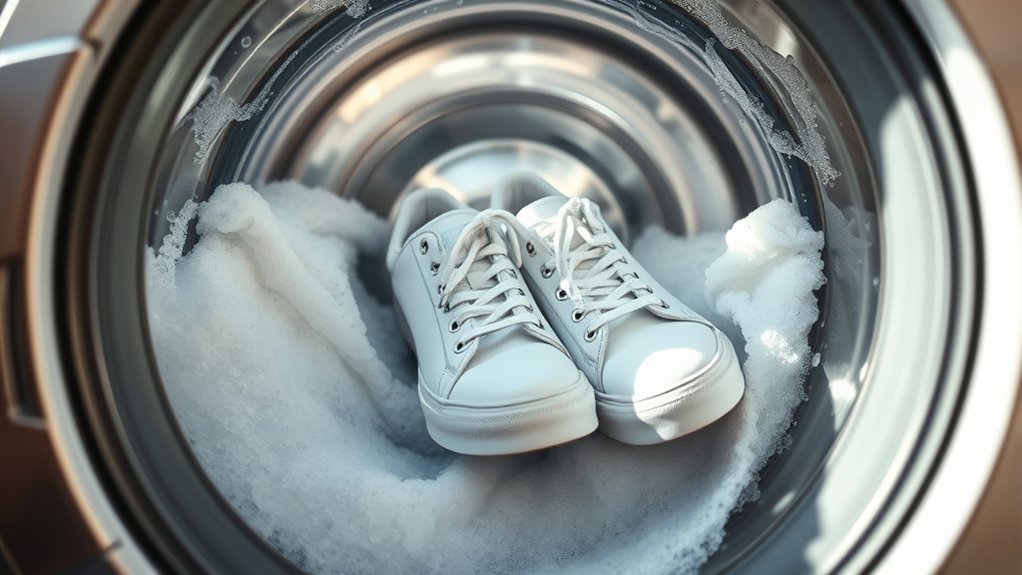
Yes, you can wash shoes in the washer if they are made from materials like canvas, nylon, or polyester with rubber soles. Always check the label for machine compatibility before washing.
Prepare your shoes by placing them in a mesh bag to protect both your shoes and the washer. Use a gentle cycle and avoid overloading the machine to ensure effective cleaning.
Leather, suede, and delicate fabrics aren’t suitable for machine washing and require hand cleaning. Understanding these details ensures better care and durability for your footwear.
Key Takeaways
- Shoes made from canvas, nylon, polyester, and some synthetics are generally safe for machine washing with proper preparation.
- Avoid machine washing leather, suede, silk, and delicate synthetics to prevent damage and discoloration.
- Use a gentle cycle, place shoes in a mesh bag, and avoid overloading the washer to protect shoes and the machine.
- Limit machine washing to every 3-6 months or when shoes are heavily soiled or odor-prone.
- Air dry shoes away from direct heat, stuffing them to maintain shape and prevent deformation.
Shoes Safe for Machine Washing
Certain types of shoes are designed to withstand the rigors of a washing machine without damage. When considering machine compatibility, you should focus on shoe material. Shoes made from canvas, nylon, polyester, and some synthetic fabrics typically handle washing well.
These materials are durable, flexible, and less prone to shrinking or warping in water. Additionally, shoes with rubber soles and minimal embellishments are safer bets for machine washing. You should always check the manufacturer’s label for specific guidance on machine compatibility.
Leather, suede, and shoes with delicate decorations usually aren’t suitable. To protect your shoes and the machine, place them in a mesh laundry bag or pillowcase. This ensures they clean thoroughly without excessive wear or damage during the cycle.
Shoes Unsafe for Machine Washing
You shouldn’t machine wash shoes made from delicate materials like leather or suede, as the process can damage their texture and structure. Washing these shoes in a machine can also cause them to lose shape or weaken glued parts.
Additionally, shoes with vibrant colors may fade or bleed, ruining both the shoes and your washer.
Delicate Materials At Risk
Why risk damaging your shoes by tossing them into the washing machine? When dealing with delicate materials like suede, leather, silk, or certain synthetic fabrics, a thorough risk assessment is essential. These materials often don’t respond well to the agitation and water exposure in a washer.
Washing them can lead to discoloration, warping, or weakening of fibers. You should consider alternative cleaning methods, such as hand cleaning with specialized products, to preserve their integrity. If you’re unsure about your shoes’ material or how it will react, err on the side of caution.
Taking the time to properly assess the risks will help you avoid costly damage and extend your shoes’ lifespan while maintaining their appearance.
Damage to Shoe Structure
Beyond delicate materials, the overall structure of many shoes makes them unsuitable for machine washing. The intense machine friction can compromise shoe durability, leading to irreversible damage.
When you put structured shoes in the washer, you risk:
- Warping or bending of the sole and midsole
- Loosening or detaching of glued components
- Breakdown of internal support systems like shanks or stiffeners
- Distortion of the shoe’s shape and fit
- Damage to cushioning elements that reduce impact protection
These structural components don’t withstand the agitation inside a washing machine. If you want to preserve your shoes’ integrity and prolong their lifespan, avoid machine washing those with complex construction or rigid supports.
Instead, opt for targeted cleaning methods that protect shoe durability without exposing them to harsh mechanical forces.
Color Fading And Bleeding
How does machine washing affect the colors of your shoes? When you toss shoes with vibrant colors into the washer, you risk significant color fading and material bleeding. The agitation and detergents can strip dyes, causing colors to dull or wash out entirely.
Material bleeding happens when dye from one part seeps onto other areas or fabrics, ruining the shoe’s original look. If your shoes are made from delicate or non-colorfast materials, machine washing isn’t safe. Instead, opt for spot cleaning or hand washing to preserve their appearance.
Avoiding the washer helps maintain the shoe’s vibrant colors and prevents irreversible damage from color fading and bleeding, ensuring your shoes stay looking fresh and intact longer.
How to Prepare Your Shoes Before Washing
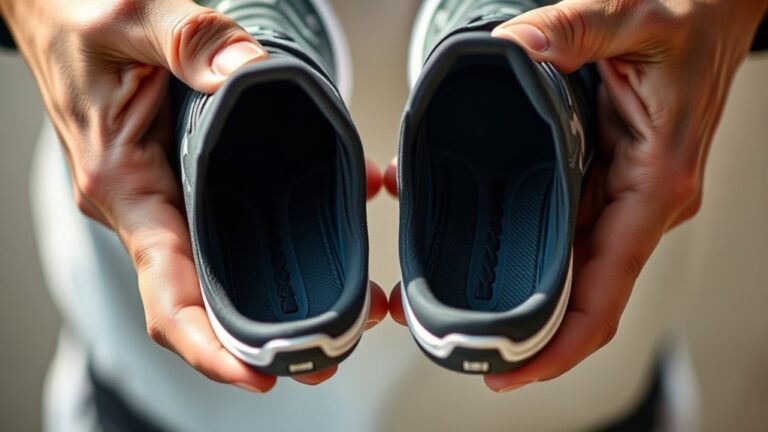
Before tossing your shoes in the washer, remove the laces and insoles to prevent damage and ensure a thorough clean. You should also brush off any loose dirt or debris to avoid clogging the machine.
These simple steps help protect both your shoes and your washer during the cleaning cycle.
Remove Laces And Insoles
Why should you remove laces and insoles before washing your shoes? Removing laces and insoles ensures a thorough clean and protects delicate parts from damage. When you start removing laces, you prevent them from tangling or snagging during the wash cycle.
Removing insoles allows both the shoes and insoles to dry properly, reducing odor and bacteria buildup.
Here’s why removing laces and insoles matters:
- Allows better water circulation for deep cleaning
- Prevents laces from fraying or tangling
- Enables insoles to air out and dry separately
- Protects shoe structure from excessive agitation
- Helps avoid trapped moisture that causes odor
Always remove laces and insoles before washing to maintain your shoes’ integrity and cleanliness.
Clean Off Loose Dirt
Once you’ve removed the laces and insoles, the next step is to address any loose dirt on your shoes. Start by knocking the soles together outside to dislodge loose dirt. Then, use a soft brush or an old toothbrush to gently sweep away remaining dirt from the surface and crevices.
For stubborn spots, dampen the brush slightly to enhance dirt removal without soaking the material. Avoid using harsh scrubbing motions that could damage delicate fabrics. Properly cleaning off loose dirt before washing helps prevent clogging your washing machine and ensures a more effective wash cycle.
Taking these careful steps will improve your shoes’ cleanliness and longevity while protecting both your footwear and washing machine from unnecessary wear.
Choosing the Right Washer Settings for Your Shoes
How do you ensure your shoes come out clean without damage when using a washing machine? Proper shoe maintenance starts with choosing the right washer settings to protect both your shoes and your machine.
Opt for gentle options that minimize wear and tear while ensuring effective cleaning. Consider these settings for optimal results:
- Use a cold water cycle to protect colors and materials
- Select a gentle or delicate cycle to reduce agitation
- Avoid high spin speeds to prevent shoe distortion
- Add extra rinse cycles for thorough cleaning
- Wash shoes inside a mesh laundry bag for machine care
Best Detergents and Additives for Washing Shoes
Selecting the right washer settings lays the groundwork for cleaning your shoes effectively, but choosing the appropriate detergents and additives plays a significant role in achieving the best results. Your detergent preferences should align with your shoe materials to avoid damage.
For delicate fabrics like mesh or suede, use a mild detergent. Sturdier materials such as canvas or rubber tolerate stronger detergents and additives like baking soda for odor control.
| Shoe Material | Recommended Detergent/Additive |
|---|---|
| Mesh | Mild liquid detergent |
| Suede | Specialized suede cleaner (hand wash) |
| Canvas | Standard liquid detergent |
| Rubber | Powder detergent + baking soda |
| Leather | Leather-specific detergent (avoid washer) |
Choosing detergents according to shoe materials ensures effective cleaning without compromising integrity.
How to Dry Shoes Properly After Washing
Where you dry your shoes after washing can substantially affect their shape, durability, and overall condition. Proper shoe care involves choosing the right drying methods to preserve their quality and prevent damage. Avoid direct heat sources, which can warp materials or weaken adhesives.
Instead, try these effective drying methods:
- Remove insoles and laces to speed drying and prevent odor buildup.
- Stuff shoes with newspaper or dry towels to absorb moisture and maintain shape.
- Air-dry shoes in a well-ventilated, shaded area away from direct sunlight.
- Use a fan to improve airflow and reduce drying time.
- Avoid using a dryer or placing shoes near radiators to prevent shrinkage or deformation.
Following these steps helps maintain your shoes’ fit and appearance while extending their lifespan.
How Often Can You Wash Shoes in a Washing Machine?
Wondering about the right frequency for washing your shoes in a machine? Maintaining proper shoe care means balancing cleanliness with preserving their integrity. Washing shoes too often can degrade materials, while infrequent cleaning may cause odor and damage.
Generally, limit machine washing to every 3-6 months or after heavy soiling.
| Washing Frequency | Shoe Condition |
|---|---|
| Every 3 months | Regular use, moderate dirt |
| Every 6 months | Light use, minimal dirt |
| As needed | Heavy dirt or odor buildup |
Adjust washing frequency based on your shoe type and usage. Always follow manufacturer guidelines to prevent wear.
Troubleshooting Washing Machine Shoe Problems
How do you handle common issues that arise when washing shoes in a machine? Understanding shoe materials and washing machine mechanics is essential to troubleshoot effectively.
If your shoes cause noises or damage, they might not be suitable for machine washing. Here’s how to address typical problems:
- Check if the shoe materials are water-safe and machine-friendly.
- Use a protective laundry bag to minimize impact on the drum and shoes.
- Select a gentle cycle to reduce wear and tear on both shoes and machine.
- Avoid overloading the washer; it can unbalance the drum and harm shoes.
- Inspect the washing machine’s drum for damage after washing shoes to ensure mechanics aren’t affected.
Frequently Asked Questions
Can Washing Shoes Damage the Washing Machine?
Even in the age of the telegraph, you’d know washing shoes carelessly can harm your washer. To ensure machine safety, always use a gentle cycle and remove excess dirt, protecting both your shoes and appliance.
Are There Eco-Friendly Detergents for Washing Shoes?
Yes, you can find eco-friendly, detergent-free options designed for washing shoes. These products use natural ingredients, minimizing environmental impact while effectively cleaning.
This way, you can maintain your shoes sustainably without harsh chemicals or synthetic detergents.
Can Insoles Be Washed Separately in the Machine?
You can freshen up your insoles washing in the machine, but only if they’re machine compatible. Remove them carefully, use a gentle cycle, and air dry to maintain their shape and comfort effectively.
How Long Does a Shoe Wash Cycle Usually Take?
A typical shoe wash cycle takes about 30 to 45 minutes. For ensure shoe care, selecting a gentle cycle with appropriate timing ensures thorough cleaning without damaging the materials.
Always check your machine’s specific settings.
Is It Safe to Wash Shoes With Other Laundry Items?
Washing shoes with other laundry is like mixing oil and water; it risks damaging both. For shoe compatibility and load safety, wash shoes separately to protect fabrics, maintain machine balance, and ensure thorough cleaning without harm.